Knee Pain Relief Braces & Supports
-
Knee Cover Massager with Heated Vibration for Joint Comfort
Regular price $39Regular price$81Sale price $39Sale -
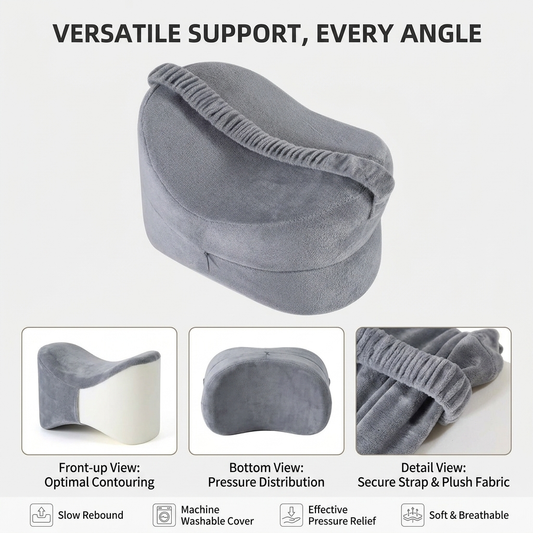
Leg Support Cushion and Split-Leg Pillow for Sleep Comfort
Regular price $43Regular price$89Sale price $43Sale -
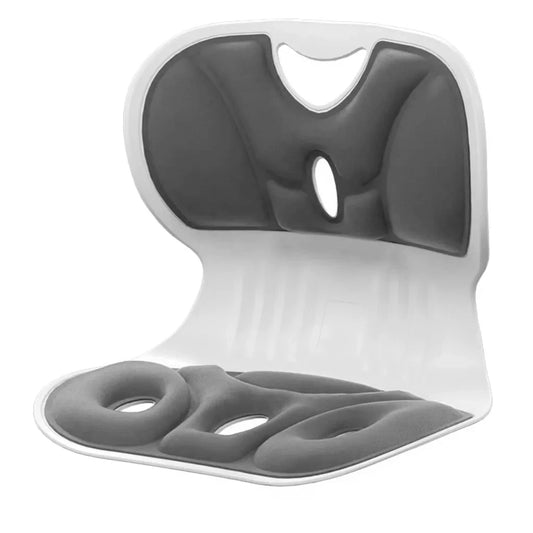
Ergonomic Office Seat Cushion for Posture and Hip Support
Regular price $78Regular price$159Sale price $78Sale -
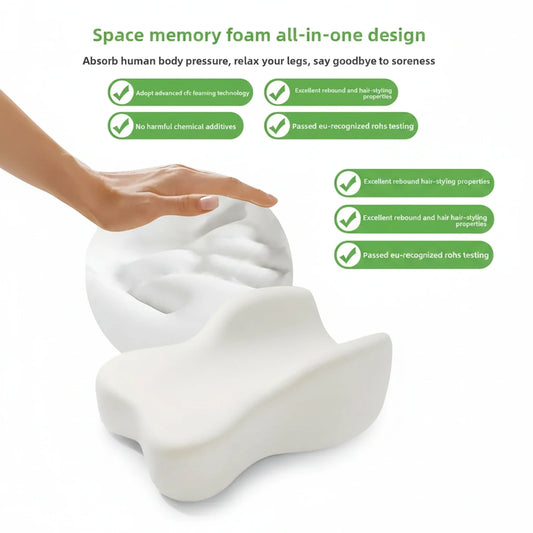
Memory Foam Leg Pillow for Knee & Hip Comfort and Support
Regular price $22Regular price$79Sale price $22Sale
Knee-pain
Knee-pain support products are designed to improve everyday comfort during rest, movement, work, or recovery routines. Explore supportive braces, cushions, sleeves, and cold or heat therapy essentials made to complement daily care. Choose options based on fit, activity level, and guidance from a qualified healthcare professional.
What Causes Knee Pain?
Knee pain can develop from an injury, repetitive strain, age-related joint changes, or an underlying health condition. Because the knee supports much of your body weight during walking, climbing stairs, exercising, and standing, everyday activities can place significant stress on the joint.
Common causes of knee pain include:
-
Overuse and repetitive movement: Running, jumping, frequent kneeling, or suddenly increasing workout intensity can irritate the muscles, tendons, and tissues surrounding the knee.
-
Sprains and strains: Twisting the knee or overstretching its supporting tissues may cause pain, swelling, or stiffness.
-
Ligament injuries: Sports, falls, and sudden changes in direction can damage ligaments such as the ACL or MCL.
-
Meniscus injuries: A forceful twist or gradual wear may damage the cartilage that cushions the knee joint.
-
Tendonitis: Inflammation or irritation of a knee tendon can cause discomfort, particularly during physical activity.
-
Bursitis: Repeated pressure or movement may irritate the small, fluid-filled sacs that reduce friction around the knee.
-
Arthritis: Osteoarthritis, rheumatoid arthritis, and gout can contribute to chronic knee pain, stiffness, swelling, and reduced mobility.
-
Patellofemoral pain: Sometimes called runner’s knee, this condition commonly causes pain around or behind the kneecap.
-
Poor alignment or muscle imbalance: Weak leg muscles, altered walking patterns, and foot-alignment concerns may change how pressure is distributed across the knee.
The location and pattern of discomfort may provide clues about its cause. Pain in the front of the knee may involve the kneecap or patellar tendon, while pain along the inner or outer knee may be associated with a ligament, meniscus, or overuse injury. However, symptoms alone cannot confirm a diagnosis.
A knee brace, compression sleeve, supportive footwear, or orthopedic insole may provide comfort or stability during everyday activities, but these products are not substitutes for professional medical care. Seek prompt medical attention if you cannot bear weight, the knee looks deformed, swelling occurs suddenly, the joint locks or gives way, or pain follows a serious injury.
Common Symptoms That May Accompany Knee Pain
Knee pain may occur by itself or alongside other symptoms that affect movement, balance, and everyday comfort. These symptoms can vary depending on whether the discomfort is related to overuse, a sports injury, arthritis, or another knee condition.
Common symptoms associated with knee pain include:
-
Swelling around the knee: The joint may appear puffy or feel tight after activity or injury.
-
Knee stiffness: Bending or fully straightening the leg may become difficult, especially after sitting or resting.
-
Tenderness: Certain areas may feel sensitive when touched or when pressure is applied.
-
Warmth or redness: Inflammation may cause the skin around the knee to feel warmer or look red.
-
Popping or clicking sounds: The knee may make noises during walking, squatting, or climbing stairs. Sounds without pain are not always a sign of injury.
-
Weakness or instability: The knee may feel unsteady or as though it could give way.
-
Reduced range of motion: Pain and stiffness may limit comfortable movement.
-
Grinding sensations: Some people notice a rough or grinding feeling when bending the joint.
-
Knee locking: The knee may temporarily become difficult to bend or straighten.
-
Difficulty bearing weight: Standing, walking, or placing pressure on the affected leg may feel uncomfortable.
When Knee Pain May Need Medical Attention
Occasional mild knee discomfort may improve with rest and reduced activity, but some symptoms require professional evaluation. Contact a healthcare provider if knee pain continues, worsens, or interferes with your daily routine.
Seek prompt medical attention if:
-
You cannot stand or bear weight on the affected leg.
-
The knee appears visibly deformed.
-
Severe swelling develops suddenly.
-
The joint repeatedly locks, buckles, or gives way.
-
Redness and warmth occur with fever.
-
Pain begins after a serious fall, collision, or twisting injury.
A knee brace, compression sleeve, orthopedic support, or supportive insole may help provide everyday comfort and stability when appropriately selected. However, supportive products cannot diagnose the source of knee pain or replace care from a qualified medical professional.
Knee Pain by Location: Front, Back, Inside, and Outside
The location of knee pain may offer useful clues about which structures are irritated or injured. Pain can develop in the front, back, inside, or outside of the knee, and each area may be associated with different activities and conditions. However, the location alone cannot confirm the cause of knee pain.
|
Knee pain location |
Possible causes |
Common symptoms |
|
Front of the knee |
Patellofemoral pain, patellar tendon irritation, bursitis, or kneecap problems |
Pain when squatting, running, climbing stairs, or sitting for long periods |
|
Back of the knee |
Hamstring or calf strain, tendon irritation, arthritis, or a Baker’s cyst |
Tightness, swelling, or discomfort when bending or straightening the leg |
|
Inside of the knee |
MCL injury, medial meniscus damage, arthritis, or bursitis |
Tenderness, swelling, instability, or pain during twisting movements |
|
Outside of the knee |
IT band irritation, LCL injury, lateral meniscus damage, or arthritis |
Outer-knee tenderness and pain during running, walking, or repeated bending |
Pain in the Front of the Knee
Front knee pain often develops around or below the kneecap. It may become noticeable while running, jumping, squatting, using stairs, or getting up from a chair. Patellofemoral pain—sometimes called runner’s knee—is one possible cause, although tendon irritation and kneecap tracking problems may produce similar symptoms.
Pain Behind the Knee
Pain in the back of the knee may feel like pressure, stiffness, or tightness. Possible causes include muscle or tendon strain, arthritis, and fluid buildup known as a Baker’s cyst. Sudden pain behind the knee accompanied by calf swelling, warmth, redness, or shortness of breath requires urgent medical attention.
Pain on the Inside of the Knee
Inner knee pain occurs along the side closest to the opposite leg. It may be associated with an MCL sprain, medial meniscus injury, arthritis, or irritation of a nearby bursa. The discomfort may worsen during side-to-side movement, twisting, stair climbing, or prolonged activity.
Pain on the Outside of the Knee
Outer knee pain may affect runners, cyclists, athletes, and people who perform repetitive leg movements. Iliotibial band syndrome, an LCL injury, or lateral meniscus irritation are possible causes. Symptoms may include localized tenderness, clicking, or discomfort that increases with activity.
Knee braces, compression sleeves, supportive footwear, and orthopedic insoles may offer added comfort or stability during appropriate daily activities. Product selection should depend on fit, intended use, and guidance from a healthcare professional—not only on where the pain is located.
Pain Behind the Knee: Possible Causes and Warning Signs
Pain behind the knee can feel like tightness, pressure, aching, or a sharp sensation at the back of the joint. It may begin after exercise or an injury, develop gradually from overuse, or occur alongside swelling and stiffness. The specific cause cannot be determined from the pain’s location alone, so persistent or severe symptoms should be evaluated by a healthcare professional.
Common Causes of Pain Behind the Knee
|
Possible cause |
Symptoms that may occur |
|
Hamstring or calf strain |
Tenderness, tightness, bruising, or pain that worsens with movement |
|
Tendon irritation |
Aching behind the knee during running, bending, or repeated activity |
|
Baker’s cyst |
A soft lump, pressure, stiffness, or swelling behind the knee |
|
Meniscus injury |
Pain, swelling, clicking, catching, or difficulty straightening the knee |
|
Knee arthritis |
Ongoing stiffness, reduced mobility, swelling, or discomfort after rest |
|
Ligament injury |
Instability, swelling, bruising, or pain after twisting the knee |
|
Deep vein thrombosis |
Calf or leg swelling, warmth, redness, tenderness, and unexplained pain |
Baker’s Cyst and Back-of-Knee Swelling
A Baker’s cyst is a fluid-filled swelling that develops behind the knee. It may form when arthritis, inflammation, or another joint problem causes excess fluid to collect in the area. Some cysts produce only mild tightness, while others can make bending or straightening the leg uncomfortable.
Because a ruptured Baker’s cyst can cause symptoms similar to a blood clot, sudden swelling or pain in the calf requires medical evaluation.
When Pain Behind the Knee Is an Emergency
Seek urgent medical care if pain behind the knee occurs with:
-
Sudden swelling in one leg or calf
-
Warm, red, or discolored skin
-
Unexplained tenderness or throbbing
-
Chest pain, shortness of breath, dizziness, or coughing up blood
-
Inability to bear weight after an injury
-
A visibly deformed knee
-
Fever with redness and swelling around the joint
These symptoms may indicate a blood clot, serious injury, or infection. Call 911 for chest pain, trouble breathing, or other signs of a possible pulmonary embolism.
Supporting the Knee During Daily Activities
Depending on the cause, a healthcare provider may recommend activity changes, physical therapy, or another treatment plan. A properly fitted knee brace or compression sleeve may offer support during suitable activities, but it should not be used to self-treat unexplained swelling or suspected blood-clot symptoms.
Knee Pain on the Inside of the Knee Joint
Knee pain on the inside of the knee—often called medial knee pain—affects the side of the joint closest to the opposite leg. It may begin suddenly after a twisting injury or develop gradually from repetitive movement, arthritis, muscle weakness, or increased stress on the knee.
Inner knee pain may become more noticeable when walking, running, squatting, climbing stairs, or changing direction. Because several bones, ligaments, tendons, and cartilage structures meet in this area, the location of the discomfort cannot confirm its cause.
Common Causes of Inner Knee Pain
|
Possible cause |
Common signs and symptoms |
|
MCL sprain or tear |
Pain, swelling, or instability after the knee is forced inward |
|
Medial meniscus injury |
Joint-line pain, swelling, clicking, catching, or locking |
|
Knee osteoarthritis |
Gradual pain, stiffness, swelling, or reduced range of motion |
|
Pes anserine bursitis |
Tenderness slightly below the inner knee, especially on stairs |
|
Muscle or tendon strain |
Localized soreness that increases with movement or exercise |
|
Repetitive stress |
Aching after running, workouts, prolonged standing, or overuse |
Symptoms That May Accompany Medial Knee Pain
In addition to pain along the inside of the knee joint, you may experience:
-
Swelling or tenderness
-
Stiffness after sitting or resting
-
Difficulty fully bending or straightening the leg
-
Clicking, popping, or catching sensations
-
Pain while using stairs or rising from a chair
-
Weakness or a feeling that the knee may give way
-
Discomfort during twisting or side-to-side movements
When to See a Healthcare Provider
Schedule a medical evaluation if inner knee pain persists, worsens, or limits your normal activities. Seek prompt care when you cannot bear weight, the knee locks or repeatedly gives way, severe swelling develops, or the symptoms follow a significant fall or sports injury.
Redness, warmth, and swelling accompanied by fever also require urgent medical attention.
Choosing Support for Inner Knee Discomfort
Depending on the underlying cause, a healthcare professional may suggest activity modification, physical therapy, or another treatment plan. A properly fitted knee brace, compression sleeve, supportive shoe, or orthopedic insole may provide additional comfort and stability during suitable daily activities.
Knee-support products cannot diagnose or correct an MCL injury, meniscus tear, arthritis, or another medical condition. Choose support based on fit, comfort, activity level, and professional guidance rather than pain location alone.
Pain on the Outside of the Knee
Pain on the outside of the knee—also known as lateral knee pain—can affect runners, cyclists, athletes, and people who perform repetitive lower-body movements. It may develop gradually from overuse or begin suddenly following a twist, fall, or direct impact.
Outer knee pain may become more noticeable while running, walking downhill, climbing stairs, squatting, or bending and straightening the leg. Since multiple tissues meet along the outside of the joint, a healthcare professional should evaluate persistent or worsening symptoms.
Common Causes of Outer Knee Pain
|
Possible cause |
Common signs and symptoms |
|
Iliotibial band syndrome |
Burning or aching on the outer knee that worsens during running or cycling |
|
LCL sprain or tear |
Tenderness, swelling, or instability after an impact or awkward movement |
|
Lateral meniscus injury |
Pain along the joint line, swelling, clicking, catching, or locking |
|
Knee osteoarthritis |
Gradual discomfort, stiffness, swelling, or reduced mobility |
|
Tendon irritation |
Localized pain during repeated bending, running, or jumping |
|
Muscle imbalance or overuse |
Aching that develops after increased exercise or repetitive activity |
Iliotibial Band Syndrome and Outer Knee Pain
Iliotibial band syndrome, commonly called IT band syndrome, is a frequent source of pain on the outside of the knee in runners and cyclists. The iliotibial band is a strong band of tissue extending from the hip to the shin. Repetitive bending can irritate tissues near the outer knee.
Potential contributing factors include:
-
Increasing running distance or workout intensity too quickly
-
Running frequently on sloped or uneven surfaces
-
Inadequate recovery between workouts
-
Weakness or imbalance in the hip and leg muscles
-
Worn or unsupportive footwear
Symptoms That May Occur with Lateral Knee Pain
Outer knee discomfort may be accompanied by:
-
Tenderness along the outside of the joint
-
Swelling or stiffness
-
Clicking, popping, or catching sensations
-
Pain when bending or straightening the knee
-
Difficulty running, walking, or using stairs
-
Weakness or a feeling that the knee may give way
When to Seek Medical Care
Contact a healthcare provider if outer knee pain continues despite reducing activity, repeatedly returns, or interferes with everyday movement. Seek prompt care if you cannot bear weight, the knee appears deformed, severe swelling develops, or the joint locks or gives way after an injury.
A properly fitted knee brace, compression sleeve, supportive footwear, or orthopedic insole may provide comfort during appropriate daily activities. However, supportive products cannot diagnose or treat an IT band condition, ligament injury, meniscus tear, or arthritis.
Knee Pain From Injuries, Overuse, and Daily Activities
Knee pain can begin after a sudden injury, develop gradually from repetitive movement, or result from the physical demands of everyday life. Walking, lifting, exercising, climbing stairs, and standing for long periods can all place stress on the knee joint and surrounding tissues.
The pattern of discomfort may help a healthcare professional identify the cause, but symptoms alone cannot confirm a diagnosis.
Knee Pain From an Injury
A knee injury may happen during sports, exercise, a fall, or an awkward twisting movement. Common knee injuries include:
-
Ligament sprains or tears: ACL, MCL, PCL, and LCL injuries may cause pain, swelling, or instability.
-
Meniscus injuries: Twisting under load can damage the cartilage that cushions the knee.
-
Muscle and tendon strains: Sudden acceleration, jumping, or overstretching may injure surrounding soft tissues.
-
Kneecap injuries: A direct impact or forceful movement may affect the position or structure of the kneecap.
-
Fractures: Falls, collisions, and other high-impact events can damage the bones forming the knee joint.
A popping sound, rapid swelling, inability to bear weight, or a knee that repeatedly gives way should be medically evaluated.
Knee Pain From Overuse
Overuse knee pain commonly develops when physical activity places repeated stress on the joint without adequate rest and recovery. It may affect runners, cyclists, athletes, active workers, and people beginning a new fitness routine.
Factors that may contribute include:
-
Increasing workout intensity or distance too quickly
-
Repeating the same movement for extended periods
-
Exercising with limited rest between sessions
-
Using worn or unsupportive footwear
-
Training on hard, sloped, or uneven surfaces
-
Having muscle weakness or movement imbalances
Overuse may contribute to patellofemoral pain, tendon irritation, bursitis, or iliotibial band syndrome.
Everyday Activities That Can Aggravate Knee Pain
|
Daily activity |
How it may affect the knees |
|
Climbing stairs |
Increases pressure around the kneecap |
|
Squatting or kneeling |
Places the knee in a deeply bent position |
|
Prolonged standing |
May increase fatigue and joint discomfort |
|
Sitting for long periods |
Can contribute to stiffness when standing up |
|
Lifting heavy objects |
Adds force to the knee, especially with poor technique |
|
Walking on hard surfaces |
Creates repeated impact during prolonged activity |
Supporting Your Knees During Daily Movement
Gradually increasing activity, using appropriate footwear, taking recovery breaks, and following professional exercise guidance may help reduce unnecessary knee strain. Depending on individual needs, a knee brace, compression sleeve, orthopedic insole, or supportive shoe may provide additional comfort or stability.
These products should fit correctly and be used for their intended purpose. They cannot repair a ligament or meniscus injury, treat arthritis, or replace an evaluation from a qualified healthcare professional.
Arthritis and Other Conditions Associated With Knee Pain
Knee pain is not always caused by a sudden injury. It may develop gradually because of arthritis, inflammation, repetitive stress, or another condition affecting the joint and surrounding tissues. Symptoms can include aching, stiffness, swelling, warmth, reduced mobility, and discomfort during everyday activities.
Types of Arthritis That Can Affect the Knee
|
Condition |
How it may affect the knee |
|
Osteoarthritis |
Cartilage changes can cause gradual pain, stiffness, swelling, and reduced movement |
|
Rheumatoid arthritis |
An autoimmune condition that may cause inflammation, warmth, swelling, and pain in both knees |
|
Post-traumatic arthritis |
May develop after a previous fracture, ligament injury, or meniscus injury |
|
Gout |
A buildup of uric acid crystals can cause sudden, severe pain, redness, warmth, and swelling |
|
Pseudogout |
Calcium crystal deposits may produce sudden joint inflammation and symptoms similar to gout |
Osteoarthritis and Chronic Knee Pain
Knee osteoarthritis is a common cause of persistent knee pain, particularly among older adults and people with previous joint injuries. Symptoms often develop gradually and may include:
-
Knee stiffness after waking or sitting
-
Pain during walking or stair climbing
-
Swelling after activity
-
Grinding, clicking, or cracking sensations
-
Reduced range of motion
-
Symptoms that vary between active and less painful periods
Only a qualified healthcare professional can diagnose knee arthritis and recommend an appropriate treatment plan.
Other Conditions Linked to Knee Pain
Knee discomfort may also be associated with:
-
Bursitis: Irritation of the small, fluid-filled sacs that reduce friction around the joint
-
Tendonitis: Inflammation or irritation caused by repetitive stress on a tendon
-
Patellofemoral pain syndrome: Pain around or behind the kneecap, often aggravated by stairs, squatting, or prolonged sitting
-
Baker’s cyst: Fluid-filled swelling behind the knee that may cause pressure or stiffness
-
Meniscus degeneration: Gradual cartilage changes that may lead to joint-line pain, catching, or limited movement
-
Joint infection: A potentially serious condition that may cause intense pain, warmth, swelling, and fever
When Knee Symptoms Need Medical Evaluation
Consult a healthcare provider when knee pain is persistent, worsening, or interfering with walking and daily activities. Seek prompt medical care if the knee becomes suddenly swollen, red, and hot, especially when accompanied by fever or chills.
A knee brace, compression sleeve, orthopedic insole, or supportive footwear may provide comfort or stability during appropriate activities. However, these products do not cure arthritis, remove crystal deposits, or treat infections. Product choice should be based on proper fit, intended use, and professional guidance.
FAQs
What causes knee pain?
Knee pain may result from overuse, injuries, arthritis, tendon irritation, bursitis, muscle weakness, or stress placed on the joint during daily activities.
Why do my knees hurt?
Your knees may hurt because of repetitive movement, increased activity, poor footwear, an earlier injury, arthritis, or another condition requiring medical evaluation.
What causes knee pain in females?
Knee pain in females may be associated with injuries, overuse, arthritis, muscle imbalances, joint alignment, pregnancy-related changes, or hormonal and age-related factors.
What is the best painkiller for knee pain?
The best option depends on the cause and your medical history; a healthcare professional may recommend acetaminophen or an NSAID when safe and appropriate.
What is the fastest way to relieve knee pain?
Reducing aggravating activity, resting the knee, applying a wrapped cold pack, and seeking medical advice may provide relief, but sudden or severe pain needs prompt evaluation.