Mobility Devices
-
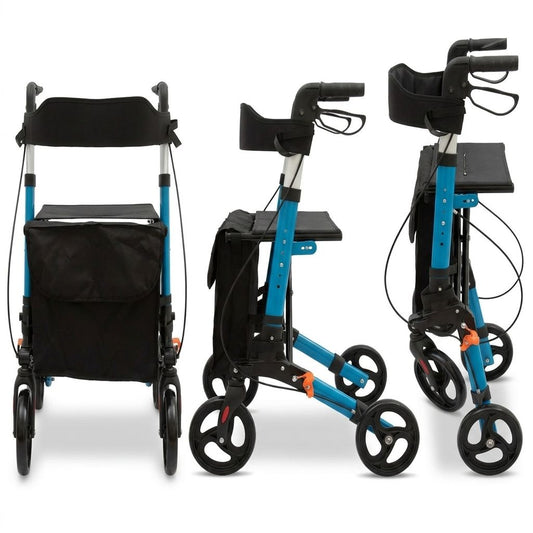
Rollator Walker with Seat and Wheels for Seniors Mobility
Regular price $279Regular price$579Sale price $279Sale -
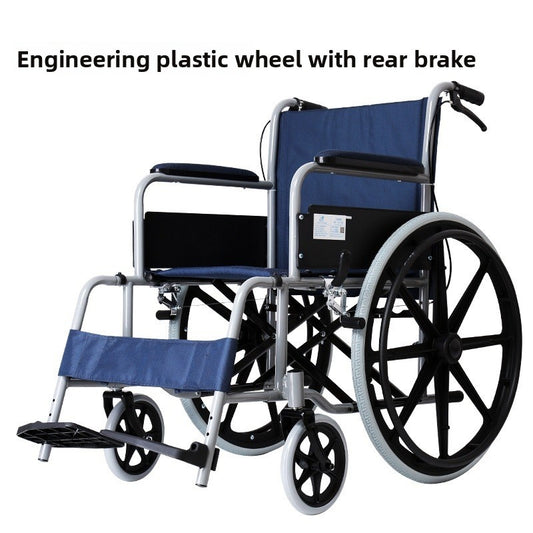
Folding Wheelchair with Brakes and Footrests for Seniors
Regular price $846Regular price$1,759Sale price $846Sale -
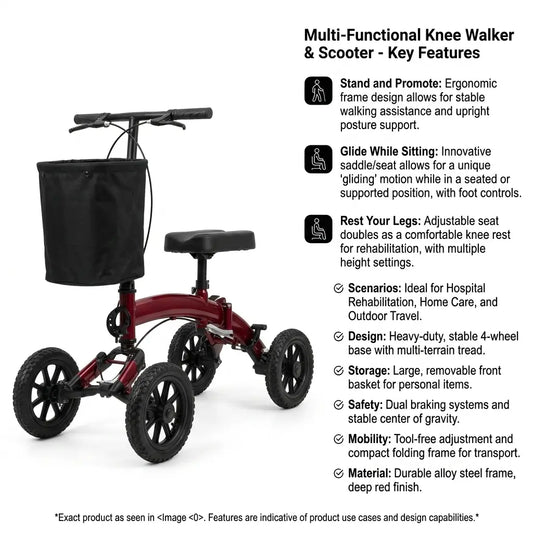
Elderly Mobility Aid Walker Cart with Brake Support Now
Regular price $277Regular price$669Sale price $277Sale
Mobility Devices
Mobility-devices provide practical assistance for people who need additional stability, balance, or support during everyday movement. From walking aids to transfer and accessibility products, the right device should match individual needs and surroundings. Explore Vendula Care’s options for greater confidence at home, outdoors, or while traveling.
What Are Mobility Devices?
Mobility devices are tools or equipment designed to assist people who need additional stability, balance, support, or transportation during everyday movement. They range from simple walking canes to power-driven wheelchairs and mobility scooters.
The appropriate device depends on the user’s strength, balance, coordination, environment, transportation needs, and professional recommendations.
Who Uses Mobility Devices?
Mobility aids may be used by older adults, people with disabilities, individuals recovering from injuries or procedures, and anyone experiencing temporary or long-term difficulty with walking or movement.
Mobility Needs Are Individual
A device that works well for one person may be unsafe or unsuitable for another. A qualified healthcare professional, physical therapist, or occupational therapist can help assess individual needs.
Common Mobility Aid Examples
|
Mobility Device |
Primary Purpose |
Typical Use |
|
Walking cane |
Adds a point of contact with the ground |
Mild balance or walking support |
|
Crutches |
Reduces weight placed on one or both legs |
Injury recovery or mobility assistance |
|
Standard walker |
Provides a broad support frame |
Short-distance walking |
|
Wheeled walker |
Supports movement with front wheels |
Indoor or outdoor walking |
|
Rollator |
Adds wheels, brakes, and often a seat |
Longer walking and rest breaks |
|
Knee scooter |
Supports the lower leg while moving |
Certain lower-leg or foot recovery needs |
|
Manual wheelchair |
Provides seated mobility |
Self-propelled or caregiver-assisted movement |
|
Transport chair |
Provides lightweight seated transport |
Caregiver-assisted travel |
|
Power wheelchair |
Provides powered seated mobility |
Independent indoor or outdoor movement |
|
Mobility scooter |
Supports powered travel |
Community and longer-distance mobility |
Manual vs. Power-Driven Mobility Devices
Manual mobility devices rely on the user or caregiver for movement, while power-driven devices use batteries and motors.
Manual Mobility Devices
Examples include:
-
Canes
-
Crutches
-
Walkers
-
Rollators
-
Manual wheelchairs
-
Transport chairs
Power-Driven Mobility Devices
Examples include power wheelchairs and mobility scooters. These products require consideration of controls, battery range, charging, turning radius, transportation, storage, and the environments where they will be used.
Mobility Devices for Walking
Walking aids are designed to provide different levels of stability and weight-bearing assistance.
|
Walking Aid |
Support Level |
Important Consideration |
|
Cane |
Light |
Correct height and hand placement |
|
Crutches |
Variable |
Proper fitting and technique |
|
Walker |
Substantial |
Width, height, and lifting ability |
|
Rollator |
Moderate |
Brake use and user control |
|
Knee scooter |
Activity-specific |
Balance, steering, and injury suitability |
Common Types of Mobility Devices
Mobility devices range from basic walking aids to powered equipment designed for seated transportation. Each option provides a different level of stability, weight-bearing assistance, maneuverability, and independence.
Choosing the right mobility aid should be based on individual abilities, surroundings, transportation needs, and guidance from a qualified healthcare professional.
Walking Canes
Canes provide an additional point of contact with the ground and may assist people who need mild balance or walking support.
Common Cane Designs
-
Single-point canes
-
Quad canes
-
Folding canes
-
Offset-handle canes
-
Adjustable-height canes
-
Canes with seats
Correct height, tip condition, handle style, and intended use are important for safe operation.
Crutches
Crutches transfer some body weight through the arms and upper body. They are commonly used during injury recovery or when weight must be reduced on one or both legs.
Types of Crutches
|
Crutch Type |
Common Characteristic |
Important Consideration |
|
Underarm crutches |
Support positioned below the armpit |
Proper height and handgrip adjustment |
|
Forearm crutches |
Cuffs wrap around the forearms |
Requires upper-body control |
|
Platform crutches |
Forearms rest on platforms |
May suit limited hand or wrist use |
Crutches should be fitted and used according to professional guidance.
Walkers
Walkers provide a wide support frame and are available in standard and wheeled designs.
Standard vs. Wheeled Walkers
A standard walker must be lifted or advanced before each step, while a two-wheel walker rolls forward and may be easier for some users to move.
Rollators
Rollators usually have three or four wheels, hand brakes, and often a built-in seat or storage compartment. They are intended for users who can control a rolling device safely.
Brake Operation Is Essential
Users should understand how to slow, stop, park, turn, and sit safely. Brakes, wheels, and cables require regular inspection.
Knee Scooters
A knee scooter supports the lower leg on a padded platform while the user moves using the other leg. It may be recommended for certain foot or lower-leg recovery needs.
Knee Scooters Are Not Suitable for Everyone
Balance, steering control, injury type, home layout, and upper-body ability should be assessed before use.
Manual Wheelchairs
Manual wheelchairs provide seated mobility and may be propelled by the user or pushed by a caregiver.
|
Wheelchair Feature |
What to Consider |
|
Seat width and depth |
User fit and positioning |
|
Chair weight |
Transport and caregiver handling |
|
Wheel type |
Self-propelled or attendant use |
|
Armrests |
Transfers and table clearance |
|
Footrests |
Leg positioning and removability |
|
Folding frame |
Vehicle and storage compatibility |
|
Weight capacity |
Manufacturer’s stated limit |
Transport Chairs
Transport chairs are lightweight wheelchairs with smaller wheels and are typically pushed by a caregiver. They are often used for appointments, travel, and short outings.
Caregiver Assistance Is Required
Most transport chairs are not designed for independent self-propulsion. Confirm the model’s intended use before purchasing.
Power Wheelchairs
Power wheelchairs use batteries and electric motors for seated mobility. Controls, seating systems, turning radius, battery range, and terrain capability vary by model.
Plan for Charging and Transportation
Users should consider outlet access, battery maintenance, vehicle compatibility, ramps, doorway widths, and storage space.
Mobility Scooters
Mobility scooters provide powered transportation using handlebars or a tiller. Common designs include travel, three-wheel, four-wheel, and heavy-duty models.
|
Scooter Type |
Common Use |
Key Consideration |
|
Travel scooter |
Transportation and short outings |
Disassembly and battery rules |
|
Three-wheel scooter |
Indoor maneuverability |
Turning radius and stability |
|
Four-wheel scooter |
Outdoor or mixed use |
Larger turning space |
|
Heavy-duty scooter |
Higher capacity and rougher surfaces |
Size, weight, and transport |
Transfer and Accessibility Devices
Some mobility products assist with transfers rather than walking. Examples include transfer boards, patient lifts, grab bars, and bed rails.
Installation and Training Matter
Transfer equipment may require professional selection, installation, and caregiver instruction to reduce the risk of falls or injury.
Mobility Device Comparison
|
Device |
Mobility Type |
Typical Assistance Level |
|
Cane |
Walking |
Light |
|
Crutches |
Walking |
Variable weight-bearing assistance |
|
Walker |
Walking |
Substantial stability |
|
Rollator |
Walking |
Rolling support with brakes |
|
Knee scooter |
Walking alternative |
Injury-specific |
|
Manual wheelchair |
Seated mobility |
Self- or caregiver-propelled |
|
Transport chair |
Seated mobility |
Caregiver-propelled |
|
Power wheelchair |
Powered seated mobility |
High |
|
Mobility scooter |
Powered travel |
Moderate to high |
Choosing Safely
Consult a physician, physical therapist, or occupational therapist before selecting a mobility device. Professional fitting and training are particularly important after surgery, injury, falls, or a significant change in mobility.
Mobility Devices for Walking Support
Mobility devices for walking provide different levels of balance, stability, and weight-bearing assistance. Common options include canes, crutches, walkers, rollators, and knee scooters. The right device depends on the user’s strength, coordination, medical needs, surroundings, and professional recommendations.
A physician, physical therapist, or occupational therapist should help determine which walking aid is appropriate and how it should be fitted.
Walking Canes
Canes provide a single additional point of contact with the ground. They may be suitable for people who need mild support on one side or additional balance assistance.
Common Types of Canes
|
Cane Type |
Typical Feature |
What to Consider |
|
Single-point cane |
One ground-contact tip |
Light balance assistance |
|
Quad cane |
Four-point base |
Broader support area |
|
Folding cane |
Collapsible sections |
Travel and storage |
|
Offset cane |
Curved shaft |
Weight distribution through the handle |
|
Adjustable cane |
Variable shaft height |
User-specific fitting |
The cane tip should provide reliable contact and be replaced when worn.
Crutches
Crutches provide more weight-bearing assistance than most canes and are often used during recovery from a foot, ankle, or leg injury.
Crutches Require Proper Fitting
Incorrect height or technique may cause discomfort or increase fall risk. Users should receive guidance on walking, stairs, standing, sitting, and transfers.
Standard Walkers
A standard walker has four nonslip tips and provides a broad support frame. The user lifts or advances the device before stepping forward.
Consider Upper-Body Ability
A standard walker requires enough strength and coordination to move the frame safely. It may not be appropriate for someone unable to lift or control it.
Two-Wheel Walkers
Two-wheel walkers have front wheels and rear tips. They roll forward while the rear tips help control movement.
Indoor Space Matters
Measure doorways, hallways, bathrooms, and turning areas to confirm that the walker can move through the home.
Rollators
Rollators usually include three or four wheels, hand brakes, and often a seat. They may suit users who can walk but need rolling support and access to rest breaks.
Brake Control Is Essential
Users must be able to operate the brakes reliably. The parking brakes should be engaged before sitting on the rollator seat.
Knee Scooters
A knee scooter supports one lower leg on a padded platform while the other leg propels the device. It may be considered for certain lower-leg or foot recovery situations.
Not Suitable for Every Injury
Balance, steering, braking ability, injury type, and home environment should be professionally assessed before use.
Walking Mobility Device Comparison
|
Device |
General Support Level |
Key Requirement |
|
Single-point cane |
Light |
Balance and one-handed control |
|
Quad cane |
Light to moderate |
Ability to place the base flat |
|
Crutches |
Moderate to substantial |
Upper-body strength and training |
|
Standard walker |
Substantial |
Ability to lift and advance the frame |
|
Two-wheel walker |
Moderate to substantial |
Controlled forward movement |
|
Rollator |
Moderate |
Reliable brake operation |
|
Knee scooter |
Injury-specific |
Balance, steering, and braking control |
How to Choose a Walking Aid
Consider:
-
Required level of weight-bearing support
-
Balance and coordination
-
Hand strength and grip
-
Upper-body strength
-
User height and weight
-
Indoor and outdoor terrain
-
Doorway and hallway widths
-
Stairs and transportation
-
Storage and folding needs
-
Professional fitting recommendations
Proper Sizing and Adjustment
The device should be adjusted to the user according to its instructions and professional guidance. Handles set too high or too low may affect control and body position.
Mobility Devices for People With Disabilities
Mobility devices can support movement, stability, seated mobility, transfers, and access for people with disabilities. Options range from canes and walkers to manual wheelchairs, power wheelchairs, and mobility scooters.
The appropriate device depends on the individual’s goals, abilities, environment, transportation needs, and personal preferences—not solely on a diagnosis.
Individual Mobility Needs and Preferences
Some people use a mobility device continuously, while others use one only for certain distances, environments, or days. Mobility needs can also change over time.
Respect the User’s Choice
Do not move, lean on, or handle someone’s mobility device without permission. Many users consider these devices part of their personal space and independence.
Walking Mobility Devices
Walking aids provide different levels of balance and weight-bearing assistance.
|
Device |
General Purpose |
Key Consideration |
|
Cane |
Adds a point of contact with the ground |
Correct height and tip condition |
|
Crutches |
Transfers some weight through the upper body |
Professional fitting and technique |
|
Standard walker |
Provides a broad support frame |
Ability to lift or advance the device |
|
Wheeled walker |
Supports controlled forward movement |
Indoor clearance and wheel condition |
|
Rollator |
Provides rolling support and often a seat |
Reliable brake operation |
|
Knee scooter |
Supports one lower leg |
Balance, steering, and injury suitability |
Manual Wheelchairs
Manual wheelchairs provide seated mobility and may be propelled by the user or pushed by another person. Models vary in frame weight, wheel configuration, seating, adjustability, and transportability.
Wheelchair Fit Matters
Seat width, depth, back height, armrests, footrests, and cushion selection can affect comfort, positioning, skin protection, transfers, and propulsion.
Power Wheelchairs
Power wheelchairs use batteries and motors and are generally controlled through a joystick or another adaptive interface. They may be configured for indoor use, outdoor use, or both.
Features to Compare
Consider:
-
Control type and placement
-
Turning radius
-
Battery range
-
Seating and positioning options
-
Ground clearance
-
Maximum incline
-
Weight capacity
-
Charging requirements
-
Vehicle and ramp compatibility
Mobility Scooters
Mobility scooters provide powered travel using handlebars or a tiller. Travel, three-wheel, four-wheel, and heavy-duty models offer different balances of portability, maneuverability, and stability.
|
Scooter Type |
Common Advantage |
Important Consideration |
|
Travel scooter |
Easier transportation |
Assembly and battery handling |
|
Three-wheel scooter |
Tighter turning radius |
Stability on uneven terrain |
|
Four-wheel scooter |
Broader base |
Requires more turning space |
|
Heavy-duty scooter |
Higher capacity and outdoor capability |
Weight and vehicle transport |
Transfer and Accessibility Devices
Some assistive mobility devices support transfers between beds, chairs, toilets, vehicles, or other surfaces.
Examples include:
-
Transfer boards
-
Patient lifts
-
Transfer poles
-
Grab bars
-
Bed rails
-
Gait belts
-
Portable ramps
Training and Installation May Be Required
Incorrect use can cause falls or injuries to both users and caregivers. Professional assessment, installation, and instruction may be necessary.
Choosing a Device for Different Environments
|
Environment |
Factors to Review |
|
Home |
Doorways, flooring, bathroom space, and thresholds |
|
Workplace |
Desk access, pathways, elevators, and storage |
|
Outdoor areas |
Terrain, slopes, weather, and ground clearance |
|
Public transportation |
Size, tie-down points, and local requirements |
|
Personal vehicle |
Lifting, disassembly, ramps, or vehicle lifts |
|
Travel |
Battery rules, folded dimensions, and device weight |
How to Choose the Right Mobility Device
Selection should consider:
-
The user’s goals and preferences
-
Strength, balance, coordination, and endurance
-
Sitting and positioning needs
-
Indoor and outdoor environments
-
Device dimensions and weight capacity
-
Transfer requirements
-
Transportation and storage
-
Caregiver assistance, when applicable
-
Maintenance and battery needs
-
Professional fitting and training
Mobility Device Safety
Inspect brakes, wheels, tires, tips, batteries, controls, seats, frames, fasteners, and folding mechanisms regularly. Follow the manufacturer’s instructions and never exceed the stated weight capacity.
Assistive Mobility Devices for Everyday Activities
Assistive mobility devices provide support for walking, standing, seated movement, transfers, and access during everyday routines. These devices can be used at home, at work, outdoors, or while traveling, depending on the user’s abilities, goals, and environment.
The right mobility aid should be selected according to individual needs and professional recommendations rather than convenience alone.
Mobility Devices for Walking
Walking aids provide different levels of stability and weight-bearing assistance.
|
Device |
Everyday Use |
Key Consideration |
|
Cane |
Short walks and light balance support |
Correct height and tip condition |
|
Crutches |
Temporary or ongoing weight-bearing assistance |
Upper-body strength and professional fitting |
|
Standard walker |
Stable indoor walking support |
Ability to lift or advance the frame |
|
Two-wheel walker |
Controlled forward movement |
Indoor clearance and rear-tip condition |
|
Rollator |
Longer walks and rest breaks |
Reliable brake operation |
|
Knee scooter |
Certain foot or lower-leg recovery needs |
Balance, steering, and injury suitability |
Mobility Support at Home
Home environments may include narrow doorways, rugs, thresholds, stairs, and wet bathroom surfaces. Device size and maneuverability should match the available space.
Home Accessibility Products
Helpful equipment may include:
-
Grab bars
-
Bed rails
-
Transfer poles
-
Raised toilet seats
-
Shower chairs
-
Transfer benches
-
Portable ramps
-
Patient lifts
Installation and training may be required for safe use.
Mobility Devices for Shopping and Errands
Rollators, wheelchairs, transport chairs, and mobility scooters may assist with longer outings, depending on the user’s abilities and environment.
Plan the Route
Before leaving home, consider curb cuts, ramps, doorway widths, restroom access, surface conditions, weather, battery range, and available seating.
Mobility Devices for Work
Workplace mobility aids may support movement between workstations, access to desks, or seated mobility during the day.
|
Workplace Factor |
What to Review |
|
Desk access |
Knee clearance and device positioning |
|
Hallways |
Device width and turning space |
|
Flooring |
Wheel, tip, and caster compatibility |
|
Elevators |
Interior size and control access |
|
Storage |
Safe location when the device is not in use |
|
Emergency planning |
Accessible evacuation procedures |
Mobility Support for Travel
Portable devices may include folding canes, lightweight walkers, transport chairs, foldable wheelchairs, and travel mobility scooters.
Check Transportation Requirements
Airlines, trains, buses, and rideshare services may have different size, battery, and storage rules. Confirm current requirements directly with the transportation provider before traveling.
Transfer Assistance Devices
Transfer devices help people move between beds, chairs, vehicles, toilets, and other surfaces.
|
Transfer Device |
General Function |
Important Consideration |
|
Transfer board |
Bridges two nearby surfaces |
Technique and surface stability |
|
Gait belt |
Assists trained caregivers during transfers |
Correct placement and training |
|
Patient lift |
Provides mechanical transfer assistance |
Sling compatibility and caregiver instruction |
|
Transfer pole |
Offers a fixed handhold |
Professional installation |
|
Vehicle transfer aid |
Assists entry or exit |
Vehicle compatibility |
Manual and Powered Mobility Options
Manual devices rely on the user or caregiver, while power-driven mobility devices use batteries and motors.
Manual Wheelchairs and Transport Chairs
Manual wheelchairs and transport chairs provide seated mobility without powered motors. Although they may look similar, they are designed for different levels of user independence, caregiver assistance, portability, and everyday use.
The appropriate chair should be selected according to the user’s body dimensions, mobility goals, transfer needs, surroundings, and professional recommendations.
What Is a Manual Wheelchair?
A manual wheelchair typically has large rear wheels that may allow the user to propel the chair independently. It can also be pushed by a caregiver using rear handles.
Common Manual Wheelchair Features
Depending on the model, features may include:
-
Folding frame
-
Large rear wheels with hand rims
-
Push handles
-
Wheel locks
-
Removable or flip-back armrests
-
Swing-away or elevating leg rests
-
Adjustable seat components
-
Anti-tip devices
-
Positioning cushions
What Is a Transport Chair?
A transport chair is a lightweight mobility chair with four smaller wheels. It is generally designed to be pushed by a caregiver rather than independently propelled by the seated user.
Common Transport Chair Features
Transport chairs may include:
-
Lightweight folding frames
-
Caregiver push handles
-
Hand brakes
-
Swing-away footrests
-
Safety belts
-
Compact folded dimensions
-
Carry handles
-
Storage pockets
Manual Wheelchair vs. Transport Chair
|
Feature |
Manual Wheelchair |
Transport Chair |
|
Rear wheels |
Large |
Small |
|
Self-propulsion |
Often possible |
Generally not practical |
|
Caregiver assistance |
Optional or supplemental |
Usually required |
|
Chair weight |
Often heavier |
Usually lighter |
|
Portability |
Varies by model |
Designed for easier transport |
|
Everyday use |
Suitable for broader mobility needs |
Often used for short outings |
|
Maneuverability |
User or caregiver controlled |
Caregiver controlled |
|
Storage |
Folding models available |
Usually folds compactly |
Choosing the Correct Seat Size
Seat width and depth affect comfort, positioning, transfers, and the chair’s overall width.
Important Wheelchair Measurements
|
Measurement |
Why It Matters |
|
Seat width |
Provides appropriate side clearance |
|
Seat depth |
Supports the thighs without pressure behind the knees |
|
Seat height |
Affects transfers and footrest position |
|
Backrest height |
Influences upper-body support |
|
Armrest height |
Supports the arms and affects table clearance |
|
Footrest length |
Positions the lower legs and feet |
|
Overall width |
Determines doorway and hallway access |
|
Weight capacity |
Confirms the manufacturer’s intended limit |
Portability and Vehicle Storage
For frequent travel, compare the chair’s total weight, folded dimensions, removable components, and lifting requirements.
Consider the Caregiver
A lightweight chair may be easier to load into a vehicle, but the person handling it should be able to fold, lift, and secure it safely.
Wheelchair Comfort and Positioning
Seat cushions and back supports may be used to address individual comfort or positioning needs. Any accessory changes the available seat dimensions and may affect the chair’s stability.
Seek Professional Seating Guidance
A physical therapist, occupational therapist, or wheelchair specialist can help with chair sizing, cushion selection, positioning, and pressure-management needs.
Brakes and Wheel Locks
Manual wheelchairs typically include wheel locks that secure the large rear wheels while stationary. Transport chairs may include caregiver-operated hand brakes and parking locks.
Wheel Locks Are Not Always Brakes
Some manual wheelchair locks are designed to hold a stationary chair rather than slow a moving one. Review the product instructions and receive appropriate training.
Indoor and Outdoor Use
|
Environment |
Features to Consider |
|
Home |
Doorway width, turning space, and flooring |
|
Medical appointments |
Portability and caregiver control |
|
Sidewalks |
Wheel size and surface condition |
|
Ramps |
Slope, braking, and caregiver ability |
|
Travel |
Folded size and transportation rules |
|
Uneven surfaces |
Wheel design and device limitations |
Safety and Maintenance
Inspect the chair regularly for:
-
Loose fasteners
-
Worn tires or casters
-
Faulty locks or brakes
-
Damaged footrests
-
Unstable armrests
-
Torn upholstery
-
Bent frame components
-
Missing anti-tip parts
Never exceed the stated weight capacity or use the chair in ways not approved by the manufacturer.
How to Choose Between the Two
A manual wheelchair may be more appropriate for independent propulsion or ongoing mobility, while a transport chair may suit short trips with reliable caregiver assistance. Selection should be based on individual needs rather than chair weight or price alone.
Power-Driven Mobility Devices
Power-driven mobility devices use batteries and electric motors to support seated movement or longer-distance travel. Common options include power wheelchairs and mobility scooters, with models designed for indoor use, outdoor travel, portability, or higher weight capacities.
Selecting a powered mobility device requires careful consideration of the user’s abilities, home environment, transportation, charging access, and professional recommendations.
Types of Power-Driven Mobility Devices
|
Device Type |
Common Use |
Key Consideration |
|
Power wheelchair |
Independent seated mobility |
Controls, seating, and turning radius |
|
Travel mobility scooter |
Short outings and transportation |
Folded size and battery handling |
|
Three-wheel scooter |
Indoor or tight-space use |
Maneuverability and stability |
|
Four-wheel scooter |
Outdoor or mixed-surface travel |
Turning space and transport |
|
Heavy-duty scooter |
Higher capacity or demanding surfaces |
Size, weight, and storage |
|
Folding powered chair |
Travel and compact storage |
Folded dimensions and lifting weight |
Power Wheelchairs
Power wheelchairs are controlled through a joystick or another adaptive interface. They may offer customizable seating, positioning, and control options for people who need powered seated mobility.
Features to Compare
Power wheelchair features may include:
-
Adjustable seating
-
Tilt or recline functions
-
Swing-away controls
-
Elevating leg rests
-
Different drive-wheel positions
-
Programmable controls
-
Anti-tip components
-
Specialty cushions
Professional fitting is important for ongoing use or complex positioning needs.
Mobility Scooters
Mobility scooters generally use handlebars or a tiller for steering. They are commonly available with three or four wheels and may be designed for travel, community use, or outdoor environments.
Scooter Controls Require Specific Abilities
Users generally need enough upper-body control, grip, coordination, vision, and judgment to steer and operate the controls safely.
Three-Wheel vs. Four-Wheel Scooters
|
Feature |
Three-Wheel Scooter |
Four-Wheel Scooter |
|
Turning radius |
Usually tighter |
Usually wider |
|
Legroom |
Often more open |
Varies by model |
|
Base |
Narrower |
Broader |
|
Indoor maneuverability |
Often easier |
May require more space |
|
Outdoor stability |
Depends on design and terrain |
Often preferred for mixed surfaces |
|
Transport size |
May be smaller |
Often larger or heavier |
Battery Range and Charging
Advertised battery range is an estimate. Actual performance can vary according to user weight, terrain, speed, temperature, battery age, tire condition, and accessory use.
Plan Charging Access
Confirm:
-
Battery type
-
Charging time
-
Approved charger
-
Indoor charging location
-
Outlet requirements
-
Replacement-battery availability
-
Storage-temperature recommendations
-
Airline or transit restrictions
Indoor Maneuverability
Measure doorways, hallways, elevators, ramps, bathrooms, and turning areas before choosing a powered mobility device.
|
Measurement |
Why It Matters |
|
Overall width |
Doorway and hallway access |
|
Overall length |
Elevator and storage fit |
|
Turning radius |
Maneuvering in rooms |
|
Seat height |
Transfers and table access |
|
Ground clearance |
Threshold and outdoor use |
|
Device weight |
Flooring and transportation |
|
Weight capacity |
Safe intended use |
Outdoor Performance
Review the manufacturer’s specifications for maximum incline, ground clearance, tire type, speed, and intended terrain.
Use Only on Approved Surfaces
Loose gravel, steep slopes, wet grass, curbs, and uneven ground can affect control and stability. No powered device is suitable for every surface or weather condition.
Transportation and Storage
Powered devices may fold, disassemble, or require a vehicle lift or accessible van.
Check the Heaviest Component
For disassembling models, compare the weight of the heaviest individual section—not only the total device weight—to determine whether safe lifting is practical.
Safety Features
Depending on the model, safety features may include:
-
Speed controls
-
Automatic braking
-
Anti-tip wheels
-
Seat belts or positioning belts
-
Lights and reflectors
-
Horns
-
Parking brakes
-
Battery indicators
-
Emergency-release functions
Maintenance Requirements
Inspect tires, wheels, brakes, controls, wiring, batteries, seating, fasteners, and charging equipment regularly. Follow the manufacturer’s service schedule and stop using a device with damaged or unreliable components.
FAQs
What Is a Mobility Device?
A mobility device is equipment designed to assist with walking, balance, seated movement, transfers, or everyday travel.
How Do I Choose the Right Mobility Device?
Choose a mobility device based on the user’s abilities, support needs, environment, measurements, transportation requirements, and professional recommendations.
What Are Common Examples of Mobility Devices?
Common mobility aids include canes, crutches, walkers, rollators, manual wheelchairs, transport chairs, power wheelchairs, and mobility scooters.
Are Mobility Devices Covered by Medicare?
Medicare Part B may cover certain medically necessary mobility devices when eligibility, prescription, documentation, supplier, and coverage requirements are met.
How Do I Travel Safely With a Mobility Device?
Check the device’s dimensions, weight, battery type, storage needs, and transportation-provider rules before traveling, and inspect it before every trip.