Maternity and Baby Care
-
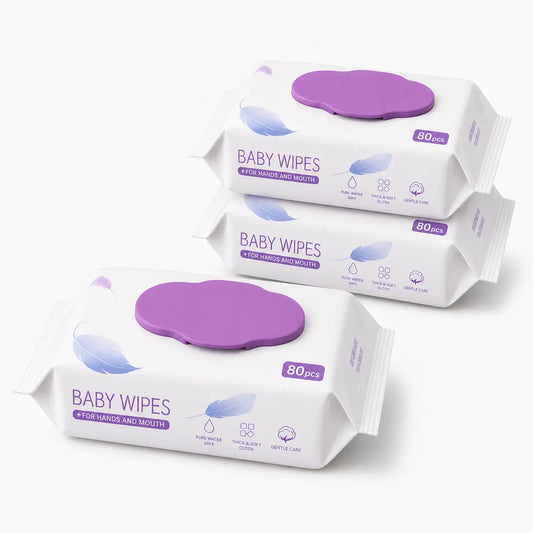
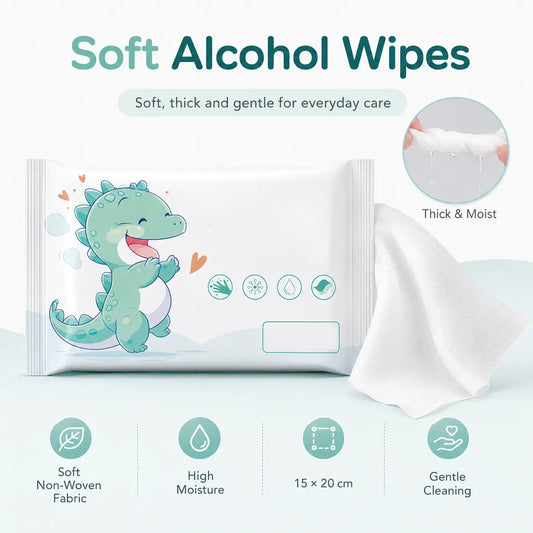
Thick Pearl Texture Baby Wet Wipes for Soft, Gentle Cleaning
Regular price $21Regular price$46Sale price $21Sale -
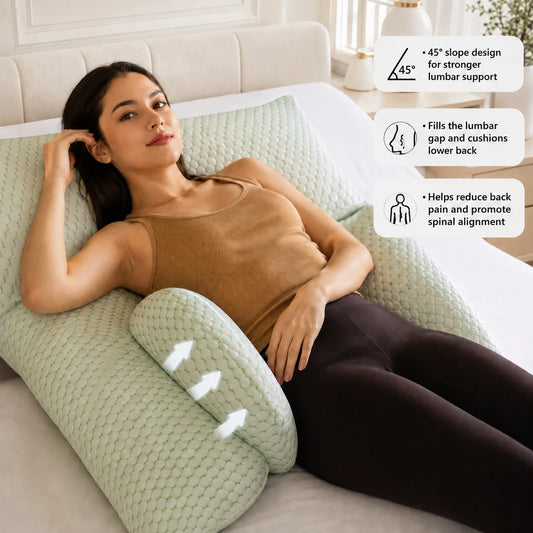
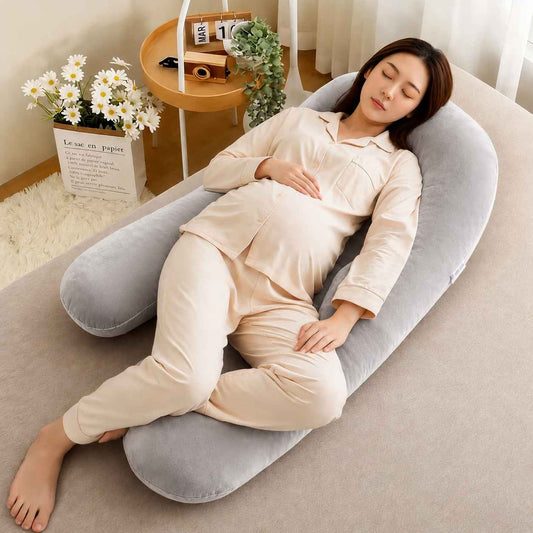
Ergonomic Maternity Pillow Side Sleeping & Pregnancy Support
Regular price $142Regular price$295Sale price $142Sale -
J-Shaped Maternity Pillow for Pregnancy and Side Sleeping
Regular price $78Regular price$169Sale price $78Sale -
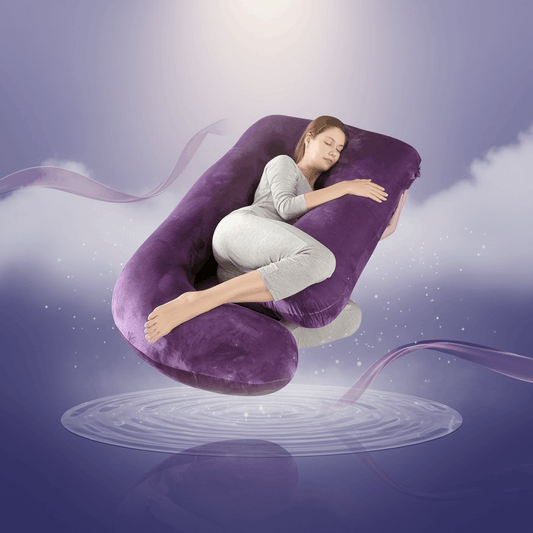
U-Shaped Maternity Pillow for Side Sleeping and Back Support
Regular price $75Regular price$166Sale price $75Sale -
Mini Portable Baby Wet Wipes for Hands, Mouth and Travel
Regular price $8Regular price$29Sale price $8Sale -
Adjustable Maternity Belly Band for Abdominal & Back Support
Regular price $13Regular price$28Sale price $13Sale -
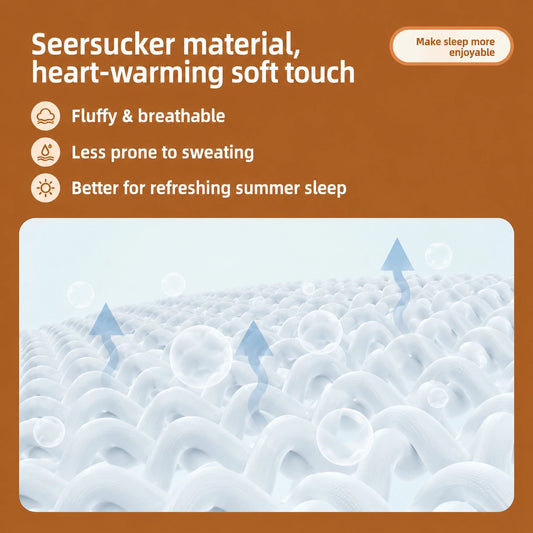
Soft Crystal Velvet Maternity Pillow for Full Body Comfort
Regular price $33Regular price$72Sale price $33Sale
Maternity and Baby care
Maternity-and-Baby-care products support everyday comfort, organization, and care during pregnancy, postpartum recovery, and a baby’s early stages. From maternity cushions and nursing essentials to baby-care accessories, practical choices can help families build calmer routines at home, while traveling, and through changing daily needs.
What Is Maternity and Baby Care?
Maternity and baby care refers to the healthcare, daily routines, and practical products used during pregnancy, postpartum recovery, and a baby’s early stages. It includes maternal comfort, nursing support, feeding, diapering, bathing, safe sleep, grooming, travel, and organization.
Every pregnancy, recovery, and baby is different. Product choices should reflect individual needs, the baby’s age and development, professional guidance, and current U.S. safety recommendations.
Maternity and Baby Care by Stage
|
Stage |
Common care needs |
|
Pregnancy |
Prenatal care, sleep comfort, body support, and hospital preparation |
|
Postpartum |
Recovery essentials, hygiene products, rest, and feeding support |
|
Newborn stage |
Feeding, diapering, bathing, safe sleep, and pediatric care |
|
Infant stage |
Age-appropriate feeding, grooming, travel, and developmental support |
|
On-the-go care |
Portable changing, hygiene, feeding, and storage products |
Maternity Care During Pregnancy
Maternity care includes professional healthcare received before, during, and after childbirth. Regular prenatal appointments help qualified providers monitor the health of the pregnant person and developing baby.
Practical maternity products may include:
-
Pregnancy pillows and support cushions
-
Maternity support garments
-
Hospital-bag organizers
-
Personal hygiene essentials
-
Nursing and breastfeeding accessories
-
Postpartum comfort products
Comfort products cannot diagnose pregnancy complications or replace prenatal and postpartum medical care.
Baby-Care Essentials
A basic baby-care setup may include:
-
Diapers and changing supplies
-
Feeding products appropriate for the baby’s age
-
Gentle bathing and grooming essentials
-
Clothing suitable for the season
-
A safety-compliant infant sleep space
-
Thermometers and health supplies recommended by a pediatrician
-
Travel and stroller accessories
-
Storage organizers for frequently used items
Review every product’s age guidance, size, weight limit, assembly instructions, warnings, and recall status.
Choosing Products for U.S. Families
When comparing maternity and infant-care products, look for:
-
Clear manufacturer identification
-
Intended age and use
-
Materials and ingredient information
-
Product dimensions and weight limits
-
U.S. safety-standard documentation where applicable
-
Complete instructions and warnings
-
Cleaning and maintenance guidance
-
Current recall information
Avoid products with missing labels, unsupported medical claims, incomplete instructions, or unclear manufacturer details.
Important Infant Sleep Guidance
Babies should be placed on their backs on a firm, flat, non-inclined sleep surface in a safety-approved product. Keep pillows, positioners, cushions, loose blankets, and toys outside the infant sleep area.
Explore Essentials for Pregnancy, Postpartum, and Baby Care
Pregnancy, postpartum recovery, and newborn care bring different comfort, hygiene, feeding, and organization needs. Thoughtfully selected maternity and baby-care essentials can help families prepare for changing routines without purchasing products that do not match their lifestyle.
Choose every item according to its intended use, safety information, materials, size, care instructions, and professional guidance.
Essentials for Each Stage
|
Stage |
Practical essentials |
Important consideration |
|
Pregnancy |
Support pillows, maternity garments, personal care items, and organizers |
Comfort needs may change throughout pregnancy |
|
Hospital preparation |
Clothing, toiletries, documents, and storage bags |
Follow the hospital’s recommended packing list |
|
Postpartum recovery |
Hygiene supplies, comfortable clothing, and recovery products |
Use products according to medical guidance |
|
Nursing and feeding |
Nursing pillows, covers, bottles, and cleaning supplies |
Follow safe feeding, cleaning, and storage practices |
|
Newborn care |
Diapers, clothing, bathing supplies, and a safe sleep space |
Verify age guidance and U.S. safety requirements |
|
Travel with a baby |
Portable changing, feeding, hygiene, and storage accessories |
Confirm compatibility with strollers, carriers, and car seats |
Pregnancy Comfort Essentials
Products commonly considered during pregnancy include:
-
Pregnancy pillows
-
Support cushions
-
Maternity support garments
-
Comfortable sleep accessories
-
Personal care products
-
Hospital-bag organizers
-
Travel-friendly maternity essentials
A pregnancy pillow may add comfort, but it cannot treat pregnancy-related pain or replace medical advice. Contact a healthcare professional about persistent pain, bleeding, severe headache, breathing difficulty, or other concerning symptoms.
Postpartum Care Products
Postpartum needs vary depending on the birth experience and recovery plan. Useful products may include:
-
Personal hygiene supplies
-
Comfortable clothing
-
Nursing and feeding accessories
-
Reusable water bottles
-
Storage baskets for frequently used items
-
Professionally recommended recovery products
-
Medication organizers, when appropriate
-
Support cushions for adult use
Follow discharge instructions from the healthcare team. Seek prompt care for heavy bleeding, chest pain, difficulty breathing, fever, severe headache, seizures, or thoughts of self-harm or harming the baby.
Baby-Care Essentials
A practical baby-care setup may include:
-
Age-appropriate feeding products
-
Diapers and changing supplies
-
Gentle bathing and grooming items
-
Weather-appropriate clothing
-
A firm, flat, safety-compliant sleep surface
-
Pediatrician-recommended health supplies
-
Portable storage and travel organizers
Avoid products with unclear manufacturer details, missing instructions, unsupported health claims, or unresolved recall notices.
Infant Sleep and Product Safety
Place babies on their backs for sleep on a firm, flat, non-inclined surface in a safety-approved sleep product. Keep pillows, nursing cushions, positioners, loungers, toys, and loose bedding outside the sleep area.
Do not add unapproved inserts, padding, or accessories to a crib, bassinet, stroller, carrier, or child car seat. Use only products permitted by the original manufacturer.
Maternity Products for Everyday Pregnancy Comfort
Maternity products can help make sleeping, sitting, dressing, commuting, and completing daily routines more comfortable as the body changes during pregnancy. Useful options may include pregnancy pillows, support cushions, maternity clothing, belly-support garments, hydration products, and personal care essentials.
Every pregnancy is different. Choose products according to trimester, body size, daily activities, medical history, and guidance from an obstetric healthcare professional.
Common Maternity Comfort Products
|
Product category |
Common purpose |
What to consider |
|
Pregnancy pillow |
Adds cushioning for side-lying or resting positions |
Shape, firmness, size, and available bed space |
|
Wedge cushion |
Provides targeted support under or behind an adult body area |
Placement, thickness, and stability |
|
Seat cushion |
Adds cushioning to compatible chairs |
Firmness, seat height, and non-slip features |
|
Lumbar-support cushion |
Provides support behind the lower back while sitting |
Chair fit, thickness, and secure positioning |
|
Maternity support garment |
Provides gentle support during suitable activities |
Size, compression level, and professional guidance |
|
Maternity clothing |
Accommodates changes in body size and shape |
Fit, breathability, adjustability, and season |
|
Supportive footwear |
Provides everyday comfort during walking and standing |
Fit, grip, cushioning, and swelling |
|
Refillable water bottle |
Keeps fluids accessible during daily activities |
Capacity, cleaning, and portability |
Pregnancy Pillows and Sleep Comfort
Pregnancy pillows are available in full-body, U-shaped, C-shaped, and wedge designs. Before choosing one, consider:
-
Preferred sleep position
-
Pillow height and firmness
-
Bed size and shared sleeping space
-
Cover material and breathability
-
Washability
-
Ease of getting into and out of bed
-
Storage requirements
A pregnancy pillow may improve comfort for some users, but it cannot treat pelvic, hip, back, or pregnancy-related medical conditions.
Support Garments and Belly Bands
Maternity support belts and belly bands are designed for different purposes and levels of support. A product should feel secure without restricting breathing, circulation, or normal movement.
Stop using it and seek guidance if it causes:
-
Pain or pressure
-
Numbness or tingling
-
Skin irritation
-
Breathing difficulty
-
Dizziness
-
Increased discomfort
-
Reduced fetal movement
Ask a maternity healthcare professional whether a support garment is appropriate, particularly during a high-risk pregnancy.
Everyday Comfort Tips
In addition to selecting suitable maternity products:
-
Change sitting and standing positions regularly.
-
Wear properly fitted footwear.
-
Avoid overheating.
-
Follow professional guidance for physical activity.
-
Keep frequently used items within comfortable reach.
-
Use safe lifting techniques.
-
Rest when needed without remaining inactive for prolonged periods unless advised.
-
Discuss persistent pain or new symptoms with your care team.
When to Contact a Healthcare Professional
Seek medical guidance for vaginal bleeding, leaking fluid, severe or persistent abdominal pain, chest pain, breathing difficulty, severe headache, vision changes, significant swelling, fever, contractions before term, or reduced fetal movement.
Pregnancy Pillows and Support Cushions
Pregnancy pillows and support cushions are designed to add cushioning around the abdomen, back, hips, knees, or legs while resting or sitting. As pregnancy progresses, changing body shape and sleep preferences may make a standard pillow arrangement feel less comfortable.
These products provide comfort rather than medical treatment. They cannot correct pregnancy complications, cure back or pelvic pain, or replace guidance from an obstetric healthcare professional.
Types of Pregnancy Pillows
|
Pillow type |
General design |
What to consider |
|
U-shaped pillow |
Surrounds both sides of the body |
Bed space, turning room, weight, and warmth |
|
C-shaped pillow |
Curves around part of the body |
Preferred sleeping side and support placement |
|
Full-length pillow |
Long design for hugging or leg support |
Length, firmness, and storage |
|
Pregnancy wedge |
Compact cushion for targeted adult support |
Angle, thickness, and stability |
|
Knee pillow |
Fits between or beneath the knees |
Leg spacing, firmness, and secure positioning |
|
Lumbar cushion |
Supports the lower back while sitting |
Chair shape, thickness, and attachment |
|
Seat cushion |
Adds cushioning to a chair |
Seat height, firmness, and non-slip base |
How to Choose a Pregnancy Pillow
Consider the following features:
-
Preferred resting and sleeping positions
-
Areas where additional cushioning is desired
-
Pillow dimensions
-
Bed size and shared sleeping space
-
Fill material and firmness
-
Cover breathability
-
Removable and washable covers
-
Product weight and portability
-
Ease of getting into and out of bed
-
Manufacturer instructions and warnings
A larger pillow does not automatically provide better comfort. Choose a design that fits your body and available space without restricting movement.
Using Support Cushions While Sitting
A seat or lumbar cushion may be used with a compatible office chair, dining chair, or vehicle seat. After adding a cushion, check that:
-
The chair remains stable.
-
Both feet are comfortably supported.
-
The cushion does not slide.
-
The seat edge does not press behind the knees.
-
The lumbar cushion does not push the body excessively forward.
-
A vehicle cushion does not affect seat belts, airbags, pedals, or driving position.
Cleaning and Maintaining Pregnancy Pillows
Follow the product’s care label. Wash removable covers as directed and confirm whether the inner pillow or foam insert is washable. Allow all components to dry completely before reuse.
Replace a cushion when it becomes:
-
Permanently flattened
-
Torn or leaking fill
-
Unable to maintain its shape
-
Difficult to clean
-
Unstable during use
-
Uncomfortable despite repositioning
Important Infant-Safety Warning
Pregnancy pillows, nursing cushions, wedges, and adult support products are not safe infant sleep surfaces. Never place them inside a crib, bassinet, play yard, or another baby sleep space. Babies should sleep on a firm, flat, non-inclined surface in an approved sleep product without pillows or loose items.
Postpartum Care Essentials for New Mothers
Postpartum care supports physical recovery, hygiene, feeding, rest, and emotional well-being after childbirth. Needs vary depending on the delivery, medical history, feeding plan, and individual recovery, so products should complement the instructions provided by the hospital, obstetrician, midwife, or other healthcare professional.
Recovery does not follow one fixed timeline. Select essentials based on actual needs rather than purchasing every item marketed for new mothers.
Common Postpartum Care Products
|
Product category |
Common purpose |
Important consideration |
|
Maternity pads |
Manage normal postpartum bleeding |
Change regularly and monitor unexpected bleeding |
|
Disposable or absorbent underwear |
Provides convenient coverage during early recovery |
Choose the correct size and breathable materials |
|
Peri bottle |
Supports gentle external cleansing after toileting |
Clean after use and follow hospital instructions |
|
Cold or warm packs |
May provide temporary comfort when professionally recommended |
Protect the skin and limit use as directed |
|
Sitz-bath supplies |
Support external cleansing or comfort |
Use only when approved by the care team |
|
Nursing pads |
Absorb breast-milk leakage |
Replace when damp to protect the skin |
|
Nursing pillow |
Supports positioning during supervised feeding |
Never use as an infant sleep product |
|
Adult seat cushion |
Adds cushioning while sitting |
Choose stable, appropriately firm support |
|
Medication organizer |
Helps track prescribed or approved medicines |
Keep all medication away from children |
|
Water bottle |
Keeps fluids easily accessible |
Clean regularly and refill as needed |
Postpartum Hygiene and Recovery
A basic recovery routine may include:
-
Following hospital discharge instructions
-
Changing pads and absorbent products regularly
-
Cleaning the external area gently
-
Keeping an incision clean and dry as directed
-
Taking medications only as prescribed or approved
-
Resting while gradually returning to activity
-
Attending scheduled postpartum appointments
-
Asking for help with household and infant-care tasks
Do not apply creams, oils, heating products, or other remedies to a cesarean incision or healing tissue unless a healthcare professional approves them.
Nursing and Breast-Care Essentials
Parents who breastfeed or pump may consider nursing bras, breast pads, nipple-care products, milk-storage containers, and pump-cleaning supplies. Confirm that products touching the nipple or breast milk are intended for that use.
Persistent breast redness, severe pain, fever, flu-like symptoms, or feeding difficulties should be discussed with a healthcare provider or lactation professional.
Emotional Well-Being After Birth
Temporary emotional changes can occur after childbirth, but ongoing sadness, intense anxiety, hopelessness, panic, inability to sleep even when the baby sleeps, or difficulty functioning deserves professional attention.
Nursing and Breastfeeding Accessories
Nursing and breastfeeding accessories can support feeding, pumping, milk storage, comfort, and organization during the postpartum period. Helpful products may include nursing pillows, breast pads, pumping bras, milk-storage containers, bottle brushes, and insulated cooler bags.
Every feeding experience is different. Accessories should support a parent’s chosen feeding plan without replacing guidance from a pediatrician, obstetric healthcare provider, or qualified lactation professional.
Common Nursing and Breastfeeding Products
|
Accessory |
Common purpose |
Important consideration |
|
Nursing pillow |
Supports the adult’s arms or the baby’s position during supervised feeding |
Never use for infant sleep or unattended lounging |
|
Nursing bra |
Provides convenient breast access |
Choose an appropriate, nonrestrictive fit |
|
Breast pads |
Absorb milk leakage |
Replace when damp and keep skin clean |
|
Pumping bra |
Holds compatible breast-pump flanges |
Check pump and size compatibility |
|
Breast pump |
Expresses breast milk |
Follow cleaning, assembly, and user instructions |
|
Milk-storage bags |
Store expressed breast milk |
Use products intended for breast-milk storage |
|
Bottles and nipples |
Provide an alternative feeding method |
Choose age-appropriate flow and inspect for damage |
|
Cooler bag |
Helps transport milk with suitable cold packs |
Follow current temperature and storage guidance |
|
Nipple-care product |
Supports external skin care |
Verify breastfeeding compatibility |
|
Bottle or pump-part brush |
Cleans compatible feeding equipment |
Keep separate from general dish-cleaning tools |
Choosing a Nursing Pillow
Before purchasing, consider:
-
Adult body size
-
Feeding position
-
Pillow shape and firmness
-
Secure adult placement
-
Cover material
-
Removable and washable covers
-
Product dimensions
-
Storage and portability
-
Manufacturer warnings
A nursing pillow is a positioning aid for an awake adult during supervised feeding. It is not a crib mattress, infant lounger, sleep positioner, or substitute for holding the baby securely.
Breast-Pump and Milk-Storage Accessories
When selecting pumping products, check:
-
Pump-brand and model compatibility
-
Correct flange sizing
-
Food-contact material information
-
Cleaning and sanitizing directions
-
Milk-container capacity
-
Freezer suitability when claimed
-
Labeling space for dates and times
-
Cooler dimensions and cold-pack requirements
Some breast pumps are designed for a single user, while specific closed-system models may be suitable for multiple users when each person has an individual accessory kit. Follow the manufacturer’s exact instructions.
Cleaning Feeding and Pumping Equipment
Wash hands before handling breast milk or clean feeding products. Clean pump parts, bottles, nipples, and storage containers according to the manufacturer’s directions and current public-health guidance.
Newborn Care Essentials for First-Time Parents
Newborn care essentials help parents manage feeding, diapering, bathing, clothing, safe sleep, travel, and everyday health needs during a baby’s first weeks. A simple, safety-focused setup is often more useful than buying every product marketed to new parents.
Choose items according to the baby’s age, size, development, pediatric guidance, and current U.S. safety standards.
Newborn Essentials Checklist
|
Care category |
Useful essentials |
|
Safe sleep |
Safety-compliant crib, bassinet, or play yard with a firm, flat mattress and fitted sheet |
|
Feeding |
Bottles when needed, burp cloths, and appropriate cleaning supplies |
|
Breastfeeding |
Nursing pads, milk-storage products, and supervised feeding supports |
|
Diapering |
Newborn-size diapers, wipes, changing pad, and disposal bags |
|
Clothing |
Season-appropriate bodysuits, sleepwear, socks, and lightweight layers |
|
Bathing |
Infant tub, soft washcloths, towels, and gentle baby-care products |
|
Grooming |
Baby nail file or clippers, soft brush, and other age-appropriate tools |
|
Health |
Digital thermometer and supplies recommended by the pediatrician |
|
Travel |
Properly installed rear-facing car seat and portable changing supplies |
|
Organization |
Storage baskets or organizers for frequently used items |
Create a Safe Newborn Sleep Space
Place the baby on their back for every sleep on a firm, flat, non-inclined surface in a safety-approved sleep product. Use only a fitted sheet designed for that mattress.
Keep the sleep area free from:
-
Pillows and cushions
-
Loose blankets
-
Nursing pillows
-
Sleep positioners
-
Crib bumpers
-
Stuffed toys
-
Loungers
-
Weighted sleep products
-
Unapproved mattress inserts
Room sharing without bed sharing is recommended. Products marketed for “comfort” or “lounging” are not automatically safe for sleep.
Feeding and Diapering Supplies
Parents may breastfeed, pump, formula-feed, or combine methods. Follow instructions from the baby’s healthcare professional and the manufacturer of feeding products.
For diapering, keep supplies within reach but away from the baby. Never leave a newborn unattended on a changing table, bed, couch, or other raised surface—even for a moment.
Bathing and Grooming
Newborns require close supervision around water. Prepare all supplies before starting, keep one hand on the baby, and never leave the child alone in or near water.
Choose grooming tools specifically designed for infants. Keep small parts, sharp tools, medication, creams, and electrical products out of reach.
Car-Seat Safety
Use a rear-facing car seat that fits the baby and vehicle. Install and use it according to both the car-seat and vehicle manufacturers’ instructions.
Avoid unapproved padding, head supports, strap covers, or other aftermarket accessories that did not come with the seat or are not expressly permitted by its manufacturer.
When to Contact the Pediatrician
Seek prompt medical advice for poor feeding, unusual sleepiness, breathing difficulty, repeated vomiting, fewer wet diapers, worsening jaundice, or signs that the baby is seriously unwell. A temperature of 100.4°F (38°C) or higher in a baby younger than 3 months requires immediate medical guidance.
Baby Feeding Products and Accessories
Baby feeding products can support breastfeeding, pumping, bottle-feeding, formula preparation, and the transition to solid foods. The right accessories depend on the baby’s age, feeding method, developmental readiness, and guidance from a pediatrician or qualified lactation professional.
Always review age recommendations, materials, cleaning instructions, and U.S. product-safety information before use.
Common Baby Feeding Products
|
Feeding product |
Common purpose |
What to check |
|
Baby bottles |
Hold breast milk or prepared infant formula |
Material, capacity, cleaning, and compatibility |
|
Bottle nipples |
Control liquid flow during bottle-feeding |
Age range, flow rate, fit, and condition |
|
Breast-milk storage bags |
Store expressed milk |
Food-contact suitability, closures, and labeling space |
|
Bottle brush |
Cleans compatible bottles and feeding parts |
Bristle condition and cleaning instructions |
|
Drying rack |
Provides a designated area for cleaned feeding items |
Drainage, stability, and ease of cleaning |
|
Burp cloth |
Protects clothing and helps manage small spills |
Material, absorbency, and washability |
|
Bib |
Helps protect clothing during feeding |
Fit, closure, material, and cleaning |
|
Baby spoon |
Supports age-appropriate feeding |
Size, shape, material, and developmental suitability |
|
Bowl or plate |
Holds suitable foods for older babies |
Stability, material, and age guidance |
|
Sippy or training cup |
Supports age-appropriate cup learning |
Flow design, parts, and cleaning access |
Choosing Bottles and Nipples
Babies may respond differently to bottle shapes and nipple-flow rates. A faster flow is not automatically better and may be unsuitable for a younger baby.
Before purchasing, consider:
-
Baby’s age and feeding needs
-
Nipple flow rate
-
Bottle and pump compatibility
-
Ease of assembly
-
Number of small components
-
Cleaning and sanitizing instructions
-
Material and temperature limits
-
Availability of replacement parts
Replace nipples and bottles that become cracked, torn, sticky, cloudy, warped, or otherwise damaged.
Bottle-Feeding Safety
During bottle-feeding:
-
Hold the baby in an appropriate supported position.
-
Keep the bottle under adult control.
-
Watch for the baby’s feeding and fullness cues.
-
Never prop a bottle or leave a baby feeding unattended.
-
Do not put a baby to bed with a bottle.
-
Prepare and store breast milk or formula according to current guidance.
-
Discard unfinished milk or formula according to applicable instructions.
Do not microwave bottles, as uneven heating can create hot spots. Test warmed liquid before feeding.
Introducing Solid Foods
Babies are generally introduced to complementary foods when developmentally ready, often around 6 months, with guidance from a pediatrician. Use age-appropriate spoons, cups, bibs, and dishes, and supervise every meal.
Keep babies seated upright and avoid foods that create choking hazards. Gagging and choking are different; caregivers should learn infant choking first aid and CPR from a qualified provider.
Cleaning Feeding Accessories
Wash hands before preparing food, formula, or breast milk. Clean bottles, nipples, pump parts, cups, and utensils according to the manufacturer’s instructions and current public-health guidance.
Small valves, straws, and seals require careful cleaning because residue can remain in hidden areas. Allow items to air-dry completely in a protected space.
FAQs
What baby feeding products are essential?
Common essentials include bottles, nipples, burp cloths, bibs, cleaning brushes, and age-appropriate cups, spoons, and bowls.
How do I choose the right bottle nipple?
Choose a nipple based on the baby’s age, feeding needs, bottle compatibility, and an appropriate flow rate.
Can I microwave a baby bottle?
No. Microwaving may create dangerous hot spots, so follow approved warming instructions and test the temperature before feeding.
How should baby feeding products be cleaned?
Wash each product according to its instructions, clean all small parts carefully, and allow everything to air-dry completely.
When can a baby start using feeding utensils?
Babies can begin using age-appropriate utensils when developmentally ready for solid foods, usually with guidance from a pediatrician.