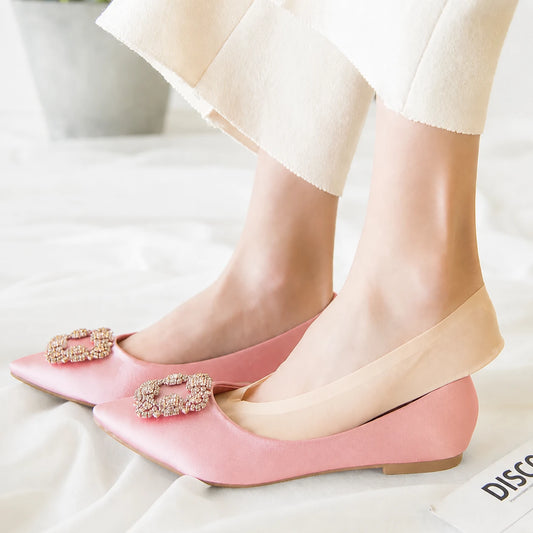
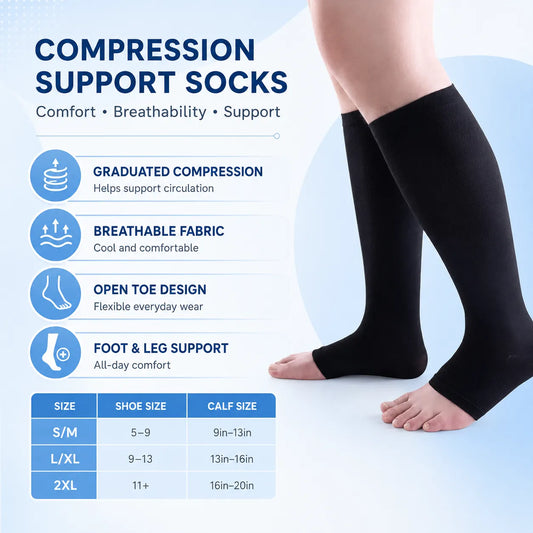
Socks
-
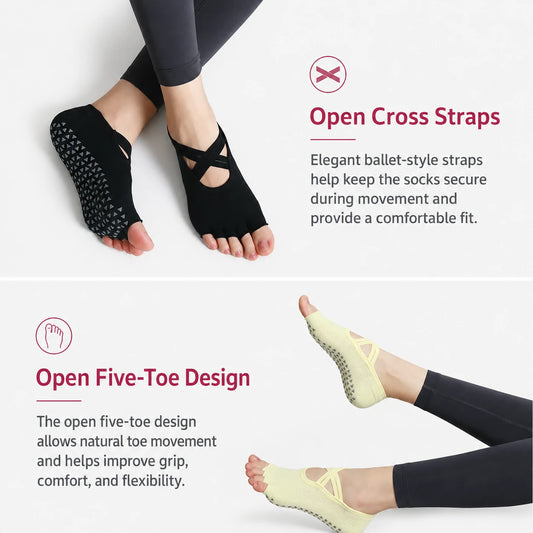
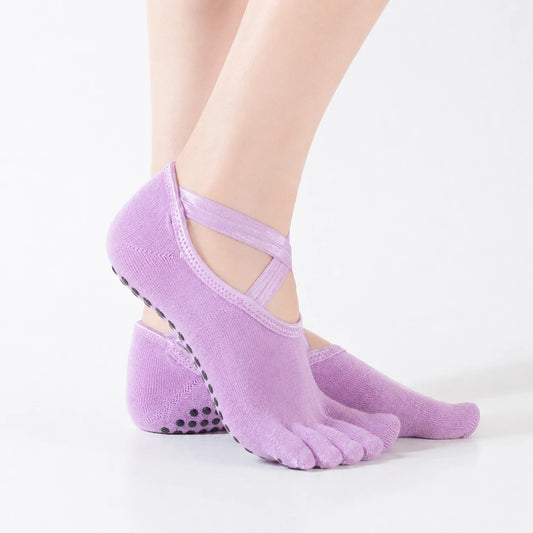
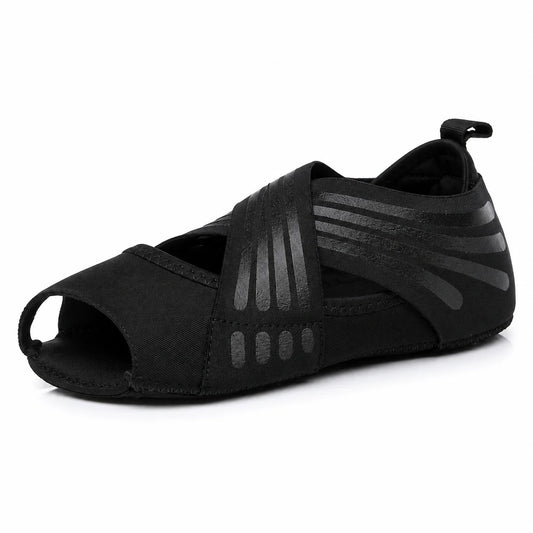
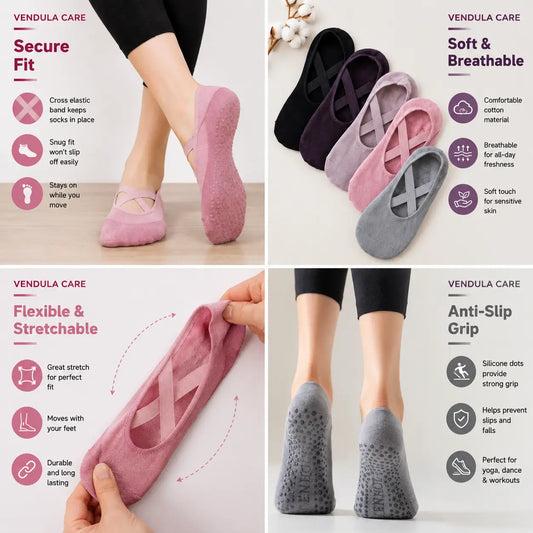
Women's Yoga Five-Finger Socks with Double Cross Straps
Regular price $10Regular price$29Sale price $10Sale -
Yoga Socks for Women with Non-Slip Grip for Daily Practice
Regular price $8.85Regular price$20Sale price $8.85Sale -
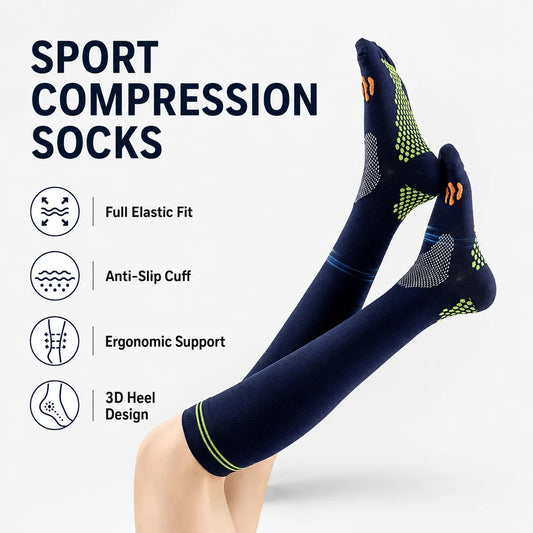
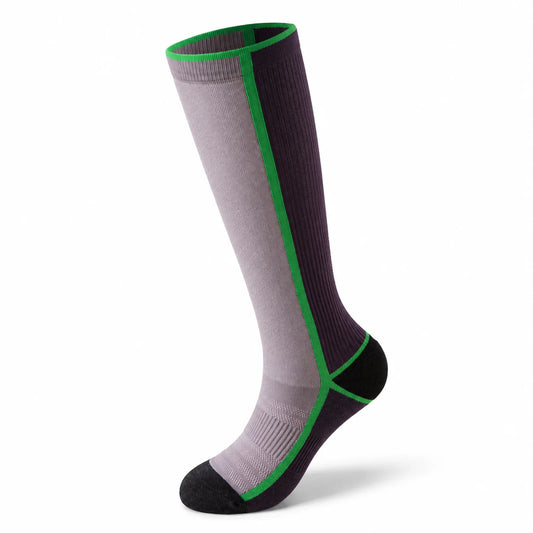
Compression Sports Socks for Running and Fitness
Regular price $9Regular price$19Sale price $9Sale -
Sweat-Wicking Sports Socks for Dry Comfort All Day Wear
Regular price $11.06Regular price$22Sale price $11.06Sale -
Cotton Copper Fiber Sports Socks for Comfort & Fresh Feet
Regular price $8.54Regular price$18Sale price $8.54Sale -
5PCS Cotton Breathable Athletic Socks for All-Day Comfort
Regular price $15Regular price$29Sale price $15Sale -
Athletic Toe Socks for Men & Women, Running & Training Grip
Regular price $11Regular price$30Sale price $11Sale -
Sports Toe Socks for Running & Athletic Performance, Non Slip
Regular price $11Regular price$30Sale price $11Sale -
Non-Slip Cotton Five Toe Yoga Socks with Grip for Pilates
Regular price $11Regular price$40Sale price $11Sale -
Compression Socks for Men & Women, Support for Legs & Feet
Regular price $11Regular price$30Sale price $11Sale -
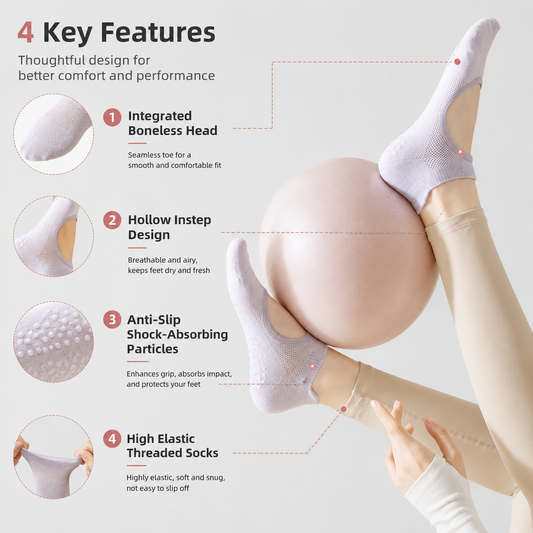
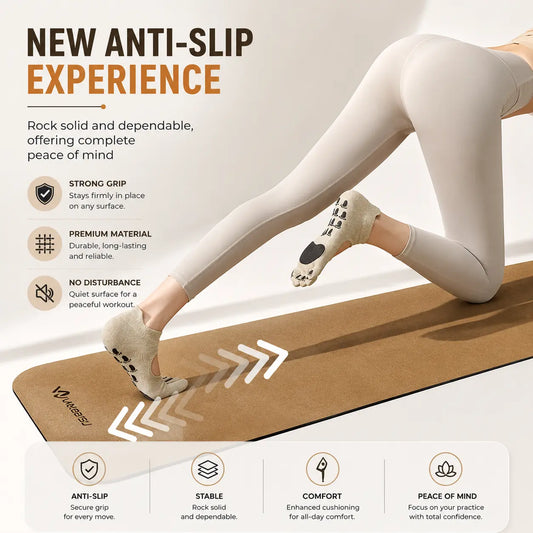
Non Slip Yoga Grip Socks for Pilates, Barre & Home Workouts
Regular price $8Regular price$18Sale price $8Sale -
Non Slip Cotton Yoga Socks with Grip for Pilates & Barre
Regular price $8Regular price$30Sale price $8Sale -
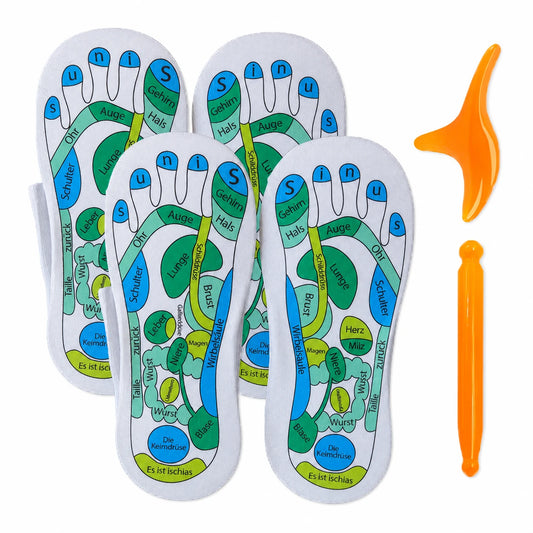
Reflexology Socks Set with Acupressure Guide for Foot Care
Regular price $13Regular price$28Sale price $13Sale -
Leather Non-Slip Split-Toe Yoga Socks for Grip and Balance
Regular price $12Regular price$29Sale price $12Sale -
Non-Slip Yoga Socks with Grip for Pilates and Barre Workouts
Regular price $13Regular priceSale price $13 -
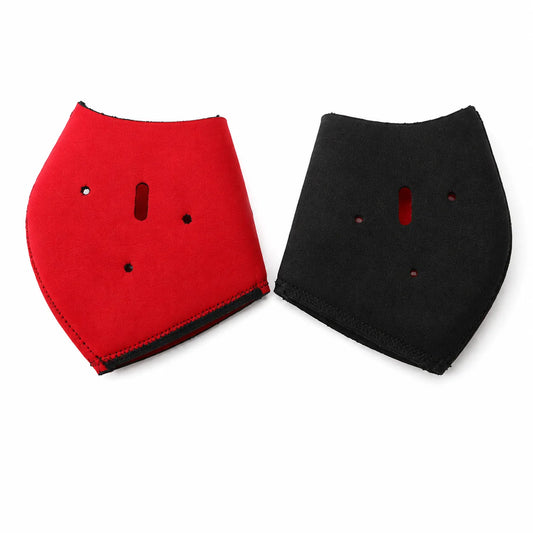
Heel Protection Socks with Breathable Cushioned Comfort Fit
Regular price $8Regular price$19Sale price $8Sale -
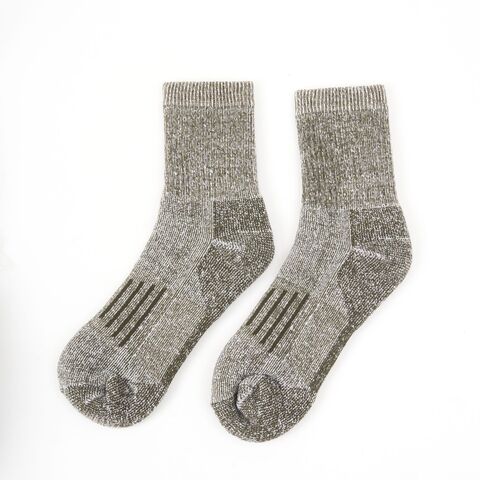
Soft Wool Socks – Warm, Breathable Comfort for Cold Days
Regular price $10Regular price$23Sale price $10Sale -
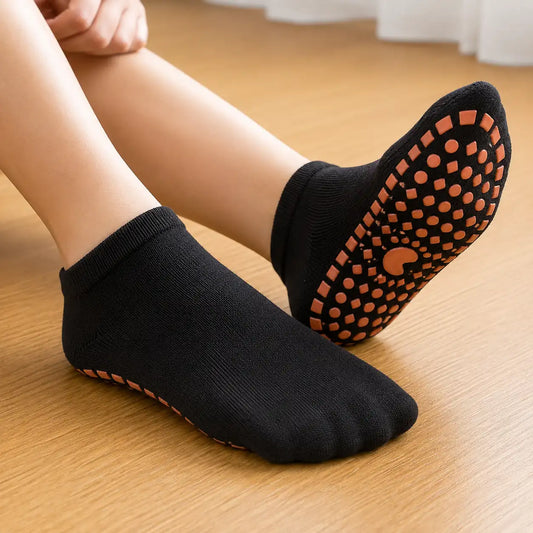
Invisible No-Show Boat Socks with Non-Slip Silicone Grips
Regular price $8Regular price$19Sale price $8Sale -
Seamless Mid-Tube Socks – Soft Comfort Fit for Daily Wear
Regular price $8Regular price$21Sale price $8Sale -
Non-Slip Yoga Socks with Straps for Pilates & Barre Grip
Regular price $8Regular price$19Sale price $8Sale -
Ankle Support Warm Socks for Cold Weather Comfort & Relief
Regular price $10Regular price$21Sale price $10Sale -
Silicone Non-Slip Soccer Grip Socks for Men, Women & Youth
Regular price $8Regular price$17Sale price $8Sale -
Women's Non Slip Yoga Socks with Silicone Grip for Pilates
Regular price $9Regular price$20Sale price $9Sale -
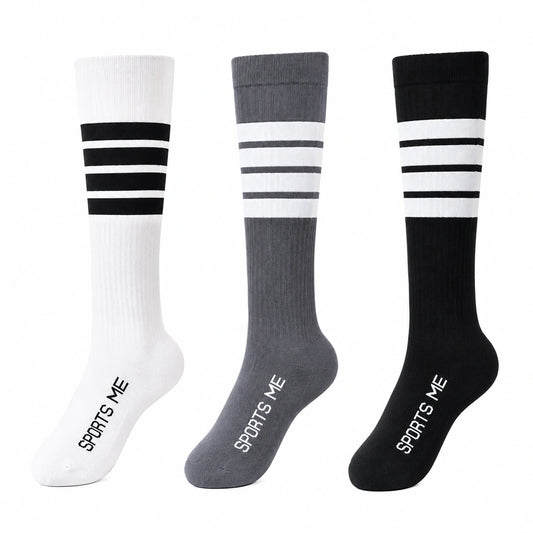
Compression Calf Socks – Long Cycling Socks for Sports Use
Regular price $11Regular price$25Sale price $11Sale -
Non-Slip Five Toe Yoga Socks – Pilates and Barre Studio Grip
Regular price $10Regular price$21Sale price $10Sale -
Womens Breathable Arch Support Socks for All-Day Comfort Fit
Regular price $8Regular price$23Sale price $8Sale -
Open-Toe Compression Socks for Sports & Leg Pain Relief
Regular price $9Regular price$39Sale price $9Sale
Socks
Socks provide everyday comfort, warmth, and support for work, travel, exercise, and relaxation. Explore breathable, soft, and practical options designed to fit different routines and footwear. From daily essentials to supportive styles, the right pair can help keep your feet comfortable throughout the day.
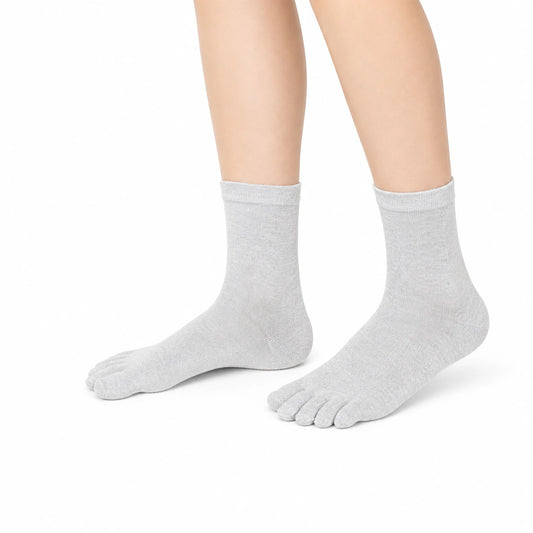
Shop Socks for Everyday Comfort and Reliable Coverage
The right socks can improve daily comfort by creating a soft layer between your feet and footwear. Whether you are getting ready for work, exercising, traveling, or relaxing at home, choose socks that provide dependable coverage, a comfortable fit, and materials suited to your routine.
Find Socks for Every Part of Your Day
Different activities place different demands on your feet. Lightweight socks may work well with casual shoes, while cushioned or supportive options may feel more comfortable during workouts, long shifts, and outdoor activities.
Everyday Socks
Everyday socks are practical choices for errands, commuting, office wear, and casual outings. Look for breathable materials, smooth toe seams, and cuffs that stay comfortably in place.
Athletic Socks
Athletic socks are designed for movement. Depending on the style, they may feature cushioning, moisture-managing fabric, arch support, or reinforced high-wear areas.
Work and Travel Socks
Long days can make comfort especially important. Socks for work and travel should offer a secure fit without bunching inside shoes. Breathable fabric and appropriate coverage can help feet feel more comfortable during extended wear.
Relaxation and Indoor Socks
Soft lounge socks can add warmth and comfort while relaxing at home. Some styles include textured soles for additional traction on suitable indoor surfaces.
Choose the Right Sock Length
Sock height affects coverage, appearance, and how a pair works with different footwear.
|
Sock Length |
Coverage |
Common Uses |
|
No-show |
Sits below the shoe opening |
Low-profile casual footwear |
|
Ankle |
Covers the foot and reaches the ankle |
Walking, exercise, and daily wear |
|
Quarter |
Extends slightly above the ankle |
Athletic and casual activities |
|
Crew |
Reaches toward the middle of the calf |
Work, travel, hiking, and everyday use |
|
Knee-high |
Extends to or near the knee |
Added coverage and specific supportive styles |
Compare Sock Materials
Fabric influences softness, breathability, warmth, stretch, and durability. Consider the season, activity, and footwear when choosing sock materials.
Common Material Options
-
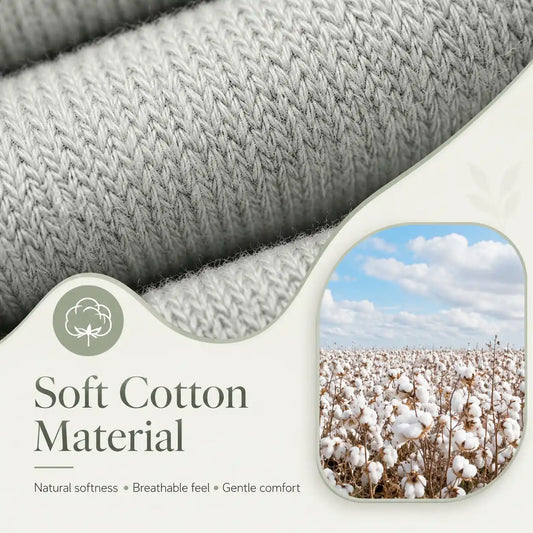
Cotton: Soft and familiar for casual everyday wear
-
Merino wool: Helps manage temperature and moisture across changing conditions
-
Bamboo-derived fabric: Often selected for its smooth, lightweight feel
-
Polyester: Durable, quick-drying, and commonly used in athletic socks
-
Nylon: Adds strength and helps socks maintain their shape
-
Spandex: Provides stretch and supports a closer fit
Many socks use blended fabrics to balance softness, flexibility, moisture management, and durability.
Look for Comfort-Focused Features
The best socks for everyday wear should fit securely without feeling excessively tight. Useful features may include:
-
Smooth or low-profile toe seams
-
Cushioned heels and forefeet
-
Breathable mesh zones
-
Stretchy, stay-in-place cuffs
-
Reinforced heels and toes
-
Moisture-managing materials
-
Supportive arch bands
-
Non-slip details on appropriate indoor styles
Select the Correct Size and Fit
Socks that are too small may feel restrictive, while oversized pairs can slide, wrinkle, or bunch inside footwear. Check the product size chart and compare it with your usual U.S. shoe size.
Signs of a Comfortable Fit
A well-fitting sock should:
-
Sit smoothly against the foot.
-
Keep the heel section aligned with your heel.
-
Stay in place without constant adjustment.
-
Avoid creating uncomfortable pressure around the cuff.
-
Fit inside your footwear without excessive bunching.
Match Your Socks to Your Footwear
Choose a sock length and thickness that complement your shoes. Lightweight socks can work well with close-fitting footwear, while thicker cushioned pairs may require additional room.
For boots or hiking footwear, crew-length or taller socks can provide added coverage. With low-cut casual shoes, ankle or no-show socks offer a less visible option.
Shop Socks Based on Your Routine
Before choosing a pair, consider where you will wear it, how long you will be on your feet, and how much warmth or cushioning you prefer. Comparing size, material, length, and care instructions can help you find comfortable socks that provide reliable coverage throughout the day.
Why Choosing the Right Socks Matters for Your Feet
Choosing the right socks is about more than matching colors with your outfit. Socks create a protective layer between your feet and footwear, influencing comfort, moisture management, temperature, and fit. The right pair can help make walking, working, exercising, traveling, and relaxing more comfortable.
Socks Help Reduce Friction
Repeated rubbing between the skin and footwear can cause irritation, especially during long walks, workouts, or extended work shifts. Properly fitted socks create a soft barrier that helps reduce direct friction.
Features That May Improve Comfort
-
Smooth or low-profile toe seams
-
Cushioned heels and forefeet
-
Soft, non-abrasive materials
-
Reinforced high-wear areas
-
A secure fit that minimizes bunching
Sock fit remains important. Loose socks may wrinkle inside shoes, while pairs that are too tight may create uncomfortable pressure.
Breathable Socks Help Manage Moisture
Feet naturally perspire throughout the day. Breathable and moisture-managing socks move dampness away from the skin or allow it to evaporate more efficiently.
For workouts, hiking, or warm-weather use, consider performance blends containing polyester, nylon, or merino wool. Cotton feels soft and comfortable for casual wear, but it may retain moisture longer during demanding activities.
The Right Socks Support Temperature Comfort
Sock material and thickness affect how warm or cool your feet feel. Lightweight, breathable socks are useful for warm conditions and close-fitting shoes, while thicker styles can provide insulation in colder weather.
|
Condition or Activity |
Sock Features to Consider |
|
Warm weather |
Lightweight, breathable fabric |
|
Cold conditions |
Insulating wool or thermal materials |
|
Exercise |
Moisture management and targeted cushioning |
|
Everyday wear |
Soft fabric and balanced coverage |
|
Hiking |
Cushioning, durability, and temperature control |
|
Work shifts |
Breathability and a secure, non-bunching fit |
Cushioning Can Improve Everyday Comfort
Cushioned socks add softness beneath areas that experience repeated contact with footwear. Cushioning may be placed under the heel, forefoot, or entire sole.
Choose Cushioning Based on Your Routine
-
Light cushioning: Suitable for casual wear and close-fitting footwear
-
Medium cushioning: Useful for walking, travel, and everyday activity
-
Heavy cushioning: Designed for boots, cold conditions, or activities requiring additional padding
More cushioning is not always better. Very thick socks can make shoes feel tight, so consider the available space inside your footwear.
Sock Height Affects Coverage
Sock length should work with your footwear and activity. No-show and ankle socks provide minimal coverage, while crew and knee-high socks protect more of the lower leg.
Taller socks may help reduce direct contact between the skin and boots. Shorter styles can feel lighter when worn with low-cut casual or athletic shoes.
A Proper Fit Helps Socks Stay in Place
Well-fitting socks should sit smoothly against the feet without slipping, twisting, or bunching. The heel section should align with your heel, and the cuff should stay in place without digging into the skin.
Check the manufacturer’s size chart because sizing can vary between products. When shopping online, compare the listed sock size with your usual U.S. shoe size.
Different Activities Require Different Socks
One pair may not be ideal for every situation. Match your socks to the activity, footwear, climate, and length of wear.
Everyday Sock Options
-
Casual socks for errands and regular daily use
-
Athletic socks for running, training, and workouts
-
Hiking socks for trails, boots, and outdoor activities
-
Work socks for long shifts and protective footwear
-
Travel socks for extended periods of sitting or walking
-
Lounge socks for warmth and comfort at home
Consider Special Foot-Care Needs
People with diabetes, circulation concerns, swelling, reduced sensation, or recurring foot problems may require specially designed socks. Compression socks should also be selected carefully because compression levels and sizing vary.
Speak with a healthcare professional before using medical or graduated compression socks, particularly if you have circulatory disease, nerve damage, diabetes, unexplained swelling, or another health condition.
Choose Socks Based on Comfort and Purpose
The best socks combine an appropriate size, useful coverage, comfortable materials, and features suited to your routine. Review the fabric, thickness, cushioning, cuff design, and care instructions before selecting a pair.
Explore Different Types of Socks for Every Routine
Different types of socks are designed for different activities, footwear, weather conditions, and comfort preferences. From lightweight everyday socks to cushioned hiking and athletic styles, choosing the right pair can help create a comfortable barrier between your feet and shoes throughout the day.
Everyday Socks for Daily Activities
Everyday socks are versatile options for work, errands, commuting, and casual outings. They typically balance softness, breathability, and coverage without adding excessive bulk inside shoes.
Features to Look For
-
Soft, breathable fabric
-
Smooth or low-profile toe seams
-
Comfortable stretch
-
Stay-in-place cuffs
-
Reinforced heels and toes
-
A thickness that suits your footwear
No-Show Socks for Low-Cut Shoes
No-show socks sit below the opening of most low-cut shoes, providing coverage without being highly visible. They are commonly worn with sneakers, loafers, and other casual footwear.
Look for heel grips, flexible cuffs, and a secure fit to help minimize slipping. The correct size is important because socks that are too large may bunch or slide.
Ankle Socks for Lightweight Coverage
Ankle socks cover the foot and finish near the ankle. Their lightweight design makes them a practical choice for walking, workouts, casual shoes, and warm-weather routines.
Many athletic ankle socks include breathable panels, cushioning, or arch bands for added comfort during movement.
Crew Socks for Versatile Wear
Crew socks usually extend toward the middle of the calf, offering more coverage than ankle styles. They can be paired with sneakers, work shoes, hiking boots, and casual footwear.
Crew-length socks are available in lightweight, cushioned, thermal, and moisture-managing designs, making them suitable for many everyday activities.
Knee-High Socks for Extended Coverage
Knee-high socks cover the lower leg and reach close to the knee. They may be chosen for warmth, workwear, travel, uniforms, or personal style.
Some knee-high products are designed as graduated compression socks. Compression levels vary, so read the product information carefully and seek professional guidance when choosing compression for a medical need.
Athletic Socks for Exercise and Training
Athletic socks are designed to remain comfortable during movement. Depending on the product, they may include targeted cushioning, breathable mesh, moisture-managing materials, or reinforced areas.
Athletic Socks May Be Used For:
-
Running
-
Walking
-
Gym workouts
-
Cycling
-
Court sports
-
Everyday active routines
Choose a thickness that fits comfortably inside your athletic footwear without creating pressure.
Hiking Socks for Outdoor Adventures
The best hiking socks balance cushioning, moisture management, durability, and temperature comfort. Crew or boot-length styles can also create a protective layer between the lower leg and hiking footwear.
Merino wool socks are popular for hiking because the material helps manage temperature and moisture across changing conditions. Many hiking socks blend merino wool with synthetic fibers for stretch and durability.
Work Socks for Long Days
Work socks are built for extended wear and may include thicker cushioning, reinforced heels and toes, or taller coverage for boots. Breathable materials can be especially helpful during physically active shifts.
People wearing safety footwear should ensure their socks add comfort without making boots overly tight.
Compression Socks for Supportive Wear
Compression socks apply controlled pressure to the legs. They are available in different lengths, sizes, and compression levels and may be used for travel, work, exercise, or clinician-directed support.
Compression socks must fit properly. Consult a healthcare professional before using them if you have diabetes, circulation concerns, nerve damage, unexplained swelling, or another relevant medical condition.
Lounge and Indoor Socks
Lounge socks focus on softness and warmth for relaxing at home. Some include textured soles intended to provide additional traction on suitable indoor surfaces.
They should fit securely without twisting or sliding. Gripping details do not eliminate fall risk, so always walk carefully on smooth flooring.
Compare Popular Types of Socks
|
Sock Type |
Typical Coverage |
Common Routine |
|
No-show socks |
Below the shoe opening |
Low-cut casual footwear |
|
Ankle socks |
Around the ankle |
Walking, exercise, and warm weather |
|
Crew socks |
Mid-calf |
Daily wear, work, and hiking |
|
Knee-high socks |
Lower leg to knee |
Travel, warmth, or extended coverage |
|
Athletic socks |
Varies |
Running, training, and active routines |
|
Hiking socks |
Crew or boot length |
Trails and outdoor activities |
|
Work socks |
Usually crew or taller |
Long shifts and work boots |
|
Compression socks |
Calf or knee-high |
Supportive wear and travel |
|
Lounge socks |
Ankle to crew |
Relaxing indoors |
Choose Socks for Your Lifestyle
When comparing different types of socks, consider your activity, shoe style, climate, preferred cushioning, and required coverage. Review the size chart and fabric details before purchasing, as fit can vary between products.
Ankle, Crew, No-Show, and Knee-High Socks Explained
Sock length affects coverage, appearance, warmth, and compatibility with different footwear. Understanding the difference between no-show, ankle, crew, and knee-high socks can help you choose a comfortable pair for work, exercise, travel, outdoor activities, or everyday wear.
No-Show Socks
No-show socks are designed to sit below the opening of most low-cut shoes. They provide a layer between the foot and footwear while maintaining a nearly barefoot appearance.
Best Uses for No-Show Socks
-
Low-top sneakers
-
Loafers
-
Slip-on shoes
-
Casual everyday footwear
-
Warm-weather outfits
Choose no-show socks with a secure heel grip and flexible opening. A properly fitted pair is less likely to slide under the foot or bunch inside the shoe.
Ankle Socks
Ankle socks cover the entire foot and finish at or slightly above the ankle. They offer more visible coverage than no-show styles while remaining lightweight and versatile.
Ankle socks are popular for:
-
Walking
-
Running
-
Gym workouts
-
Casual sneakers
-
Daily errands
-
Warm-weather routines
Athletic ankle socks may feature mesh ventilation, moisture-managing materials, cushioned soles, or supportive arch bands.
Crew Socks
Crew socks generally extend to the middle of the calf. Their additional coverage makes them suitable for many shoe types, seasons, and activities.
When to Wear Crew Socks
Crew socks work well with:
-
Casual shoes
-
Athletic footwear
-
Hiking boots
-
Work boots
-
High-top sneakers
-
Everyday outfits
Lightweight crew socks can complement office or casual footwear, while thicker cushioned options may feel more comfortable inside boots. For active use, look for reinforced heels and toes, breathable panels, and materials designed to manage moisture.
Knee-High Socks
Knee-high socks cover the lower leg and usually stop just below the knee. They provide the greatest coverage among these common sock lengths.
Knee-high styles may be selected for:
-
Additional warmth
-
Tall boots
-
Work uniforms
-
Long periods of travel
-
Extended lower-leg coverage
-
Supportive or compression wear
Some knee-high socks provide graduated compression, but standard knee-high socks and medical compression socks are not the same. Compression strength and sizing should match the wearer’s needs and, when appropriate, professional medical guidance.
Comparing Common Sock Lengths
|
Sock Style |
Typical Height |
Visibility |
Common Footwear |
|
No-show socks |
Below the shoe opening |
Minimal or hidden |
Loafers, slip-ons, and low-top sneakers |
|
Ankle socks |
At or slightly above the ankle |
Slightly visible |
Running shoes, trainers, and casual sneakers |
|
Crew socks |
Around the middle of the calf |
Clearly visible |
Boots, sneakers, and casual shoes |
|
Knee-high socks |
Just below the knee |
Full lower-leg coverage |
Tall boots, uniforms, and travel footwear |
How Sock Length Affects Comfort
Sock height should complement the shoe opening. A pair that sits too low may leave the skin exposed to rubbing, while unnecessary fabric can add warmth or bulk.
Consider These Factors
-
Footwear height: Choose socks tall enough to cover areas that contact the shoe or boot.
-
Activity: Exercise, hiking, and work routines may require additional coverage or cushioning.
-
Weather: Taller or thicker socks can provide warmth, while lower lightweight styles may feel cooler.
-
Visibility: Decide whether you want the socks to remain hidden or contribute to your outfit.
-
Personal comfort: Select a cuff height and fit that stay in place without feeling restrictive.
Choosing Socks for Athletic Activities
Ankle and crew socks are common choices for walking, running, and gym routines. The ideal length depends on the footwear and the amount of coverage preferred.
Look beyond length and consider:
-
Targeted cushioning
-
Breathable fabric
-
Moisture management
-
Reinforced high-wear areas
-
Smooth toe seams
-
Secure, stay-in-place cuffs
Choosing Socks for Work and Travel
Crew socks provide versatile coverage for many work shoes and boots. Knee-high options may be suitable when additional lower-leg coverage is preferred.
For long days, select socks that fit smoothly without sliding, twisting, or creating pressure. Travelers should also consider material, temperature, and how easily the socks can be packed and washed.
Find the Right Sock Height for Your Routine
No-show socks offer a low-profile appearance, ankle socks provide lightweight versatility, crew socks deliver dependable mid-calf coverage, and knee-high socks cover most of the lower leg.
Compression Socks for Comfortable Daily Support
Compression socks are close-fitting garments designed to apply controlled pressure to the lower legs. Depending on their fit and compression level, they may support blood flow and help manage leg discomfort or swelling for some wearers. Choosing the correct size and pressure is essential for comfortable, appropriate use.
How Compression Socks Work
Graduated compression socks apply their strongest pressure near the ankle, with pressure generally decreasing farther up the leg. This design differs from ordinary socks, which typically provide relatively even stretch throughout the garment.
Compression socks are available in several lengths, including:
-
Ankle-length
-
Mid-calf
-
Knee-high
-
Thigh-high
-
Full-length styles
Knee-high compression socks are among the most common choices for everyday wear because they provide lower-leg coverage while remaining compatible with many types of clothing and footwear.
Who May Use Compression Socks?
Some people wear compression socks during work, travel, exercise, or other activities involving long periods of sitting or standing. Clinicians may also recommend them for specific medical needs.
Common Situations Include:
-
Extended desk work
-
Long work shifts
-
Air or car travel
-
Frequent standing
-
Clinician-directed support for swelling
-
Recovery following certain medical procedures
-
Everyday lower-leg support
Compression socks should not be treated as a universal solution. Unexplained pain or swelling—especially when it affects only one leg—requires medical evaluation rather than self-treatment.
Understanding Compression Levels
Compression strength is measured in millimeters of mercury, written as mmHg. A higher number indicates stronger pressure.
|
Compression Category |
General Use |
|
Light or mild |
Everyday comfort and gentle support |
|
Moderate |
May be used for travel or clinician-recommended needs |
|
Firm |
Typically selected with professional guidance |
|
Extra firm |
Generally intended for prescribed medical use |
Categories and pressure ranges can vary among manufacturers. Always check the individual product label instead of relying only on terms such as “mild” or “firm.”
How to Choose the Right Size
Compression socks rely on accurate sizing. A pair that is too loose may not provide the intended pressure, while an overly tight pair may cause pain, pinching, or skin irritation.
Measure Before Ordering
Depending on the product, you may need to measure:
-
The narrowest part of the ankle
-
The widest part of the calf
-
The distance from the floor to the bend of the knee
-
The thigh circumference for thigh-high styles
-
Your usual U.S. shoe size
Take measurements according to the manufacturer’s instructions and compare them with that product’s size chart. Do not assume sizing is identical across different brands.
Features That Improve Everyday Comfort
When comparing compression socks for daily wear, look beyond color and appearance.
Helpful features may include:
-
Breathable or moisture-managing fabric
-
Smooth toe construction
-
Flexible, stay-in-place cuffs
-
Reinforced heels and toes
-
Clearly stated compression strength
-
Inclusive sizing options
-
Easy-care materials
-
Cushioned footbeds, when preferred
How to Put On Compression Socks
Compression socks are easier to apply when the legs are less swollen, often earlier in the day if that timing matches a clinician’s instructions.
A Simple Application Method
-
Make sure your skin is clean and dry.
-
Turn the sock inside out to the heel.
-
Place your foot into the toe and heel sections.
-
Gradually unroll the fabric up the leg.
-
Smooth out wrinkles without folding the top band.
-
Confirm that the heel and toe sit in the correct positions.
Do not pull only from the upper cuff, as this can overstretch the fabric and create uneven pressure.
Compression Sock Safety
Remove the socks and seek professional advice if you develop pain, numbness, tingling, unusual coldness, skin discoloration, or worsening swelling. People with diabetes, reduced sensation, skin problems, or known circulation conditions should consult a healthcare professional before use.
Sudden one-sided leg pain, warmth, tenderness, or swelling can be associated with a blood clot and requires prompt medical attention. Sudden shortness of breath or chest pain requires emergency care.
Choose Compression Socks With Confidence
The best compression socks combine the appropriate pressure, accurate sizing, breathable materials, and a comfortable design. Consider when you plan to wear them, how long they will remain on, and whether you have any health conditions requiring professional guidance.
How to Choose Compression Socks for Women
The best compression socks for women should provide the appropriate pressure, fit securely, and feel comfortable during their intended use. Because compression levels, lengths, fabrics, and sizes vary, compare the product details carefully and seek professional guidance when selecting socks for a medical condition.
Decide Why You Need Compression Socks
Begin by identifying when and why you plan to wear them. Compression socks for women may be considered for everyday support, work, travel, exercise recovery, pregnancy, or a clinician-directed medical need.
Common Uses Include:
-
Long periods of sitting at a desk
-
Workdays involving extended standing
-
Long-distance air or car travel
-
Daily lower-leg support
-
Pregnancy-related needs with medical guidance
-
Clinician-directed management of certain vein or swelling concerns
Compression socks do not replace medical evaluation. Persistent or unexplained swelling, pain, skin changes, or numbness should be discussed with a healthcare professional.
Understand Compression Strength
Compression strength is measured in millimeters of mercury, abbreviated as mmHg. Higher numbers indicate stronger pressure.
|
Compression Category |
General Consideration |
|
Light or mild |
Often marketed for everyday comfort |
|
Moderate |
May be considered for travel or professional recommendations |
|
Firm |
Usually selected with healthcare guidance |
|
Extra firm |
Generally intended for prescribed medical use |
Manufacturers may classify pressure ranges differently. Always check the actual mmHg rating rather than relying only on descriptions such as “light,” “moderate,” or “firm.”
Measure Your Legs for the Correct Fit
Accurate measurements are more useful than relying on shoe size alone. Each brand can use a different size chart, so measure according to the specific product instructions.
Measurements You May Need
-
Ankle circumference: Measure around the narrowest area above the ankle bone.
-
Calf circumference: Measure around the widest part of the calf.
-
Lower-leg length: Measure from the floor to the bend behind the knee.
-
Thigh circumference: Required for some thigh-high styles.
-
Shoe size: Used as a supporting measurement for certain products.
If possible, take measurements earlier in the day, before significant swelling develops. The sock should feel snug and supportive without causing pain, numbness, or skin discoloration.
Choose the Right Length
Compression socks for women are available in several lengths. The best option depends on the area requiring support, personal comfort, clothing, and professional advice.
Knee-High Compression Socks
Knee-high compression socks cover the foot and lower leg. They are commonly selected for work, travel, and everyday wear because they fit easily under many clothing styles.
Thigh-High Compression Stockings
Thigh-high styles extend above the knee and provide additional coverage. Proper upper-band fit is important to prevent rolling, slipping, or concentrated pressure.
Compression Sleeves
Calf sleeves leave the feet uncovered and may appeal to some active users. However, they are not interchangeable with full compression socks for every purpose.
Compare Fabric and Comfort Features
The right material can make compression socks more comfortable during extended wear.
Look for:
-
Breathable fabric
-
Moisture-managing fibers
-
Smooth or seamless toes
-
Flexible, non-binding top bands
-
Reinforced heels and toes
-
Cushioned soles, when preferred
-
Stretch recovery that helps retain shape
-
Care instructions suited to your routine
People with sensitive skin should check the complete material list before purchasing.
Match Compression Socks to Your Routine
|
Routine |
Features to Consider |
|
Office work |
Breathable fabric and discreet styling |
|
Standing shifts |
Secure cuffs and comfortable foot cushioning |
|
Air travel |
Knee-high coverage and an appropriate compression level |
|
Exercise recovery |
Moisture management and flexible construction |
|
Pregnancy |
Professional sizing and healthcare guidance |
|
Everyday use |
Easy-care fabric and a comfortable toe design |
Check the Fit After Putting Them On
Compression socks should sit smoothly without wrinkles or folded bands. The heel should align correctly, and the upper cuff should remain flat against the leg.
Signs the Fit May Be Incorrect
-
Pain or excessive tightness
-
Numbness or tingling
-
Cold toes or feet
-
Skin discoloration
-
Deep marks or pinching
-
Fabric rolling at the top
-
Wrinkles that create pressure points
Remove the socks and seek professional advice if these symptoms occur.
Know When to Ask a Healthcare Professional
Consult a healthcare professional before using compression socks if you have diabetes, reduced sensation, peripheral artery disease, skin infection, open wounds, significant swelling, or another circulation-related condition. Pregnant women should also ask their maternity care professional which type and pressure are appropriate.
Sudden pain, warmth, tenderness, or swelling in one leg can be associated with a blood clot and requires prompt medical attention. Chest pain or sudden breathing difficulty requires emergency care.
Select Compression Socks With Confidence
When shopping for compression socks for women, focus on the actual mmHg rating, accurate measurements, suitable length, breathable materials, and intended use. The right pair should provide even, comfortable pressure without bunching, rolling, or restricting movement.
Merino Wool Socks for Breathability and Temperature Control
Merino wool socks combine natural softness, breathability, and insulation for year-round comfort. Unlike heavy traditional wool, fine merino fibers can feel smooth against the skin while helping manage heat and moisture. These qualities make merino socks popular for hiking, travel, work, exercise, and everyday wear.
What Makes Merino Wool Different?
Merino wool comes from Merino sheep and is known for its fine, flexible fibers. These fibers trap small pockets of air for insulation while allowing moisture vapor to move away from the skin.
Merino wool socks can help feet feel warmer in cold conditions and more comfortable when temperatures rise. Performance varies based on wool content, fabric weight, sock thickness, footwear, and activity level.
Breathable Comfort for Active Feet
During walking, hiking, or long workdays, feet can generate heat and perspiration. Merino wool can absorb moisture vapor and release it gradually, helping reduce the damp feeling that may occur during extended wear.
Benefits of Breathable Merino Socks
-
Help manage moisture during activity
-
Allow heat and vapor to escape
-
Provide insulation without excessive bulk
-
Remain comfortable across changing temperatures
-
Work well for both indoor and outdoor routines
No material can keep feet completely dry in every condition. Appropriate footwear, sock thickness, weather, and activity intensity also affect comfort.
Temperature Control Across Different Seasons
Merino wool is often described as temperature-regulating because its fibers provide insulation while remaining breathable. This makes merino wool socks a versatile option for changing climates across the United States.
|
Season or Condition |
Merino Sock Features to Consider |
|
Warm weather |
Lightweight knit and ventilated zones |
|
Cool weather |
Medium-weight fabric and moderate cushioning |
|
Winter conditions |
Thicker construction and additional insulation |
|
Changing temperatures |
Midweight fabric and moisture management |
|
Indoor use |
Lightweight or low-cushion styles |
|
Outdoor activities |
Reinforced construction and secure coverage |
Merino Wool Socks for Hiking
Some of the best hiking socks use merino wool blends because they balance cushioning, breathability, warmth, and durability. Crew or boot-length merino socks can also provide coverage between the skin and hiking footwear.
Hiking Features to Look For
-
Targeted heel and forefoot cushioning
-
Reinforced toes and heels
-
Secure arch support
-
Smooth or low-profile toe seams
-
Ventilated knit sections
-
Crew or boot-length coverage
-
A snug fit that minimizes bunching
Match the sock thickness to the interior space of your hiking shoes or boots. Overly thick socks can make footwear feel restrictive.
Merino Socks for Work and Travel
Merino wool socks can be useful during long workdays or trips because they adapt to temperature changes between indoor and outdoor settings. Lightweight merino styles fit more easily inside casual or office shoes, while cushioned crew socks may suit work boots and extended walking.
For travel, consider socks that are:
-
Comfortable for extended wear
-
Easy to pack
-
Suitable for changing temperatures
-
Made with durable blended fibers
-
Quick to air between uses
-
Compatible with your travel footwear
Pure Merino Wool vs. Merino Blends
Many merino wool socks blend wool with nylon, polyester, or spandex. These added fibers can improve durability, stretch, fit, and shape retention.
|
Material |
Contribution to the Sock |
|
Merino wool |
Softness, insulation, and moisture management |
|
Nylon |
Strength and abrasion resistance |
|
Polyester |
Durability and quick-drying performance |
|
Spandex |
Stretch and a secure fit |
A higher wool percentage does not automatically make a sock better. The ideal fabric blend depends on the activity, desired durability, and personal preference.
Choosing the Right Cushioning Level
Lightweight Cushioning
Lightweight merino socks work well for casual footwear, warmer conditions, and activities where minimal bulk is preferred.
Medium Cushioning
Medium-cushion socks balance softness and shoe compatibility. They are versatile choices for walking, travel, hiking, and work.
Heavy Cushioning
Heavily cushioned merino wool socks provide additional warmth and padding for colder weather or roomy boots. Check your footwear fit before choosing a thick pair.
How to Care for Merino Wool Socks
Always follow the instructions printed on the product label because wool content and fabric blends vary.
General care practices may include:
-
Turn the socks inside out before washing.
-
Wash with similar colors using cool or warm water.
-
Select a gentle cycle when recommended.
-
Use mild detergent.
-
Avoid bleach and fabric softener unless permitted.
-
Air-dry or tumble-dry on low according to the label.
-
Store the socks only after they are fully dry.
Proper care can help preserve the fibers, stretch, fit, and overall appearance.
Choose Merino Wool Socks for Your Routine
When comparing merino wool socks, consider the wool percentage, fabric blend, sock height, cushioning, activity, climate, and footwear. Check the U.S. sizing chart to ensure the heel aligns properly and the fabric sits smoothly without bunching.
The right merino socks can provide breathable comfort and adaptable temperature control for daily wear, active routines, travel, and outdoor adventures.
FAQs
What do compression socks do?
Compression socks apply controlled pressure to the legs, which may support blood flow and help manage swelling or discomfort for some wearers.
Can you sleep in compression socks?
Only sleep in compression socks when a healthcare professional recommends it, as most people are advised to remove them before bed.
How do compression socks work?
Compression socks usually apply the greatest pressure near the ankle and gradually decrease pressure higher up the leg to support blood returning upward.
Should you wear compression socks to bed?
You generally should not wear compression socks to bed unless your healthcare professional has recommended a specific type, pressure, and wearing schedule.
What are compression socks for?
Compression socks are used for travel, extended sitting or standing, everyday leg support, and certain medical needs under professional guidance.