Insoles: Orthotic Support for Foot Pain
-
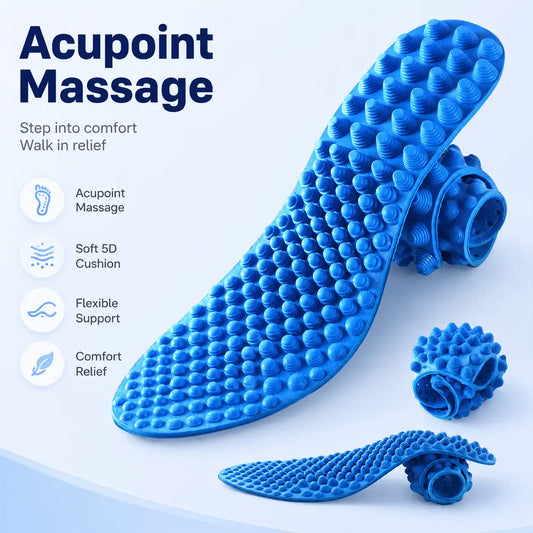
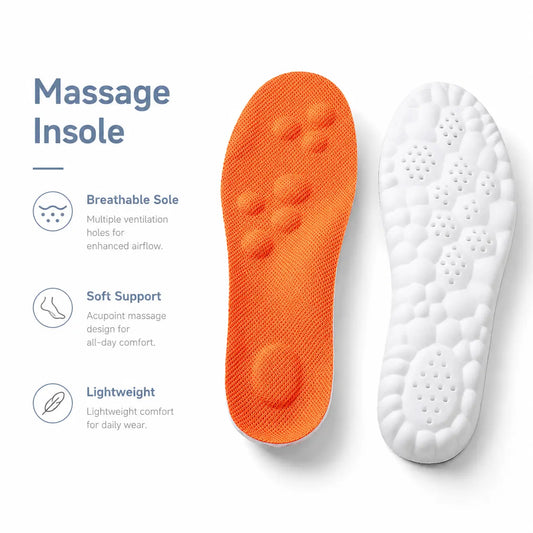
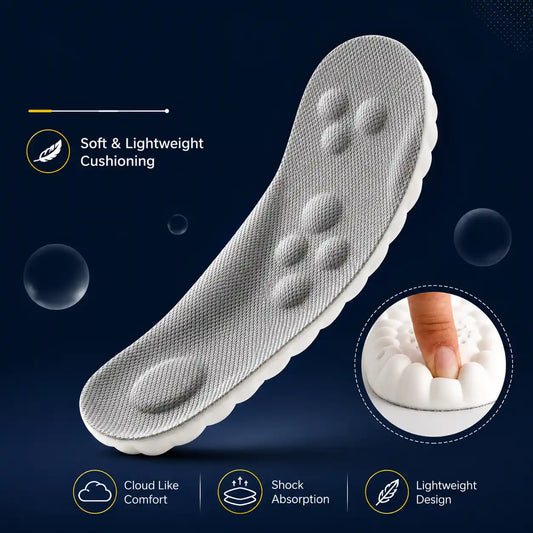
Shock-Absorbing Massage Insole for Foot Comfort & Support
Regular price $8Regular price$20Sale price $8Sale -
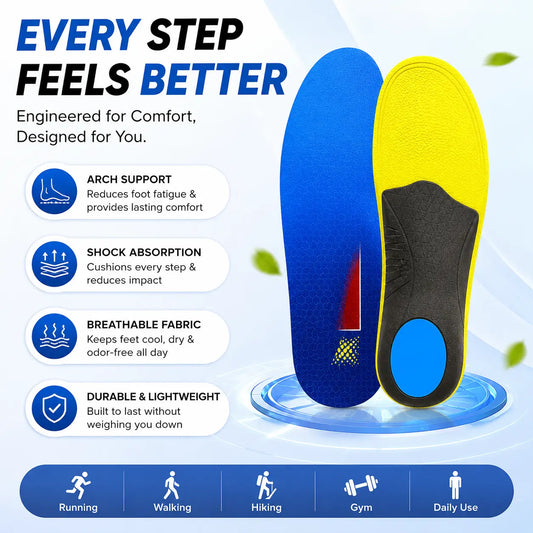
Insole for Foot Comfort, Arch Support & Everyday Cushioning
Regular price $8Regular price$17Sale price $8Sale -
Exercise Arch Massage Insole for Arch Support & Daily Comfort
Regular price $8.55Regular price$18Sale price $8.55Sale -
Massage Insole for Foot Comfort, Arch Support & Pain Relief
Regular price $12Regular price$25Sale price $12Sale -
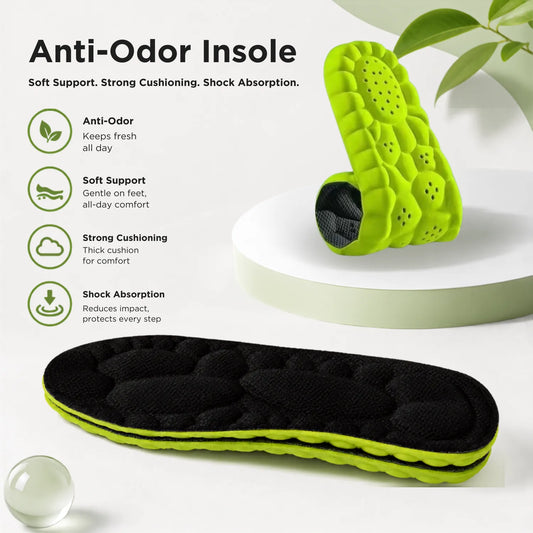
Antibacterial Shock-Absorbing Insole for Sports Shoes
Regular price $8.15Regular price$19Sale price $8.15Sale -
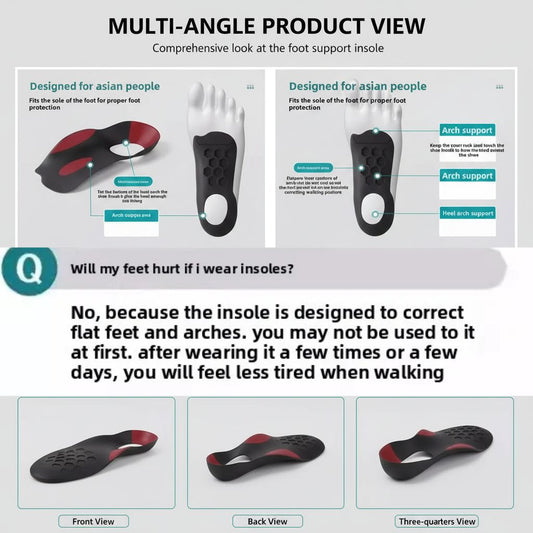
Arch Support Insoles for Flat Feet and Plantar Fasciitis Pain
Regular price $20Regular price$49Sale price $20Sale -
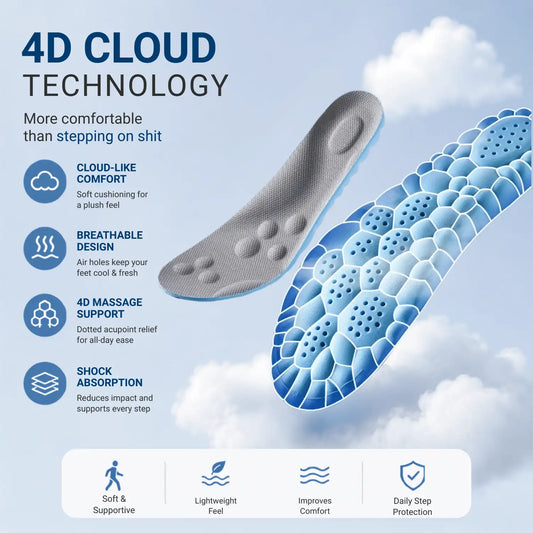
4D Cloud Insoles with Soft, Squishy Feel for All-Day Comfort
Regular price $9Regular price$29Sale price $9Sale -
Smart Locator Tracking Insole – Anti-Loss Device for Shoes
Regular price $13Regular price$28Sale price $13Sale -
TPU Arch Support Orthopedic Insole for Flat Feet Comfort
Regular price $10Regular price$23Sale price $10Sale -
Heel Support Insoles for Men and Women – Everyday Comfort
Regular price $10Regular price$25Sale price $10Sale -
Orthotic EVA Insoles with Arch Support & Shock Absorption
Regular price $9Regular price$19Sale price $9Sale -
Adjustable Memory Foam Shoe Insoles for All Day Comfort
Regular price $8Regular price$20Sale price $8Sale -
Orthopedic Arch Support Insoles for Walking and Standing
Regular price $11Regular price$25Sale price $11Sale -
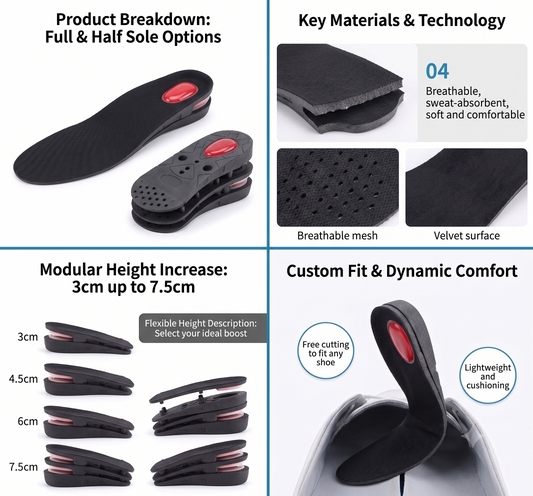
PVC Heightening Insoles for Men and Women – Comfort Lift
Regular price $14Regular price$29Sale price $14Sale -
Multi Layer Cushioning Shock Absorption Insoles for Walking
Regular price $12Regular price$30Sale price $12Sale -
Orthopedic Arch Support Insoles for Daily Foot Pain Relief
Regular price $8Regular price$17Sale price $8Sale -
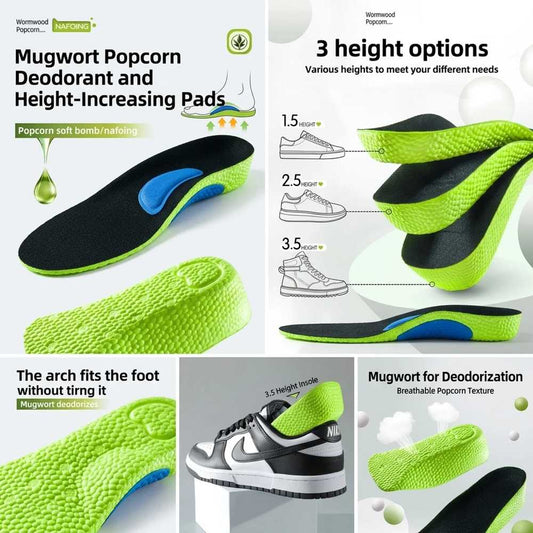
Arch Support Height Increase Insoles with Cushioned Comfort
Regular price $10Regular price$23Sale price $10Sale -
Height Increasing Insoles with Air Cushion for Daily Comfort
Regular price $9Regular price$20Sale price $9Sale -
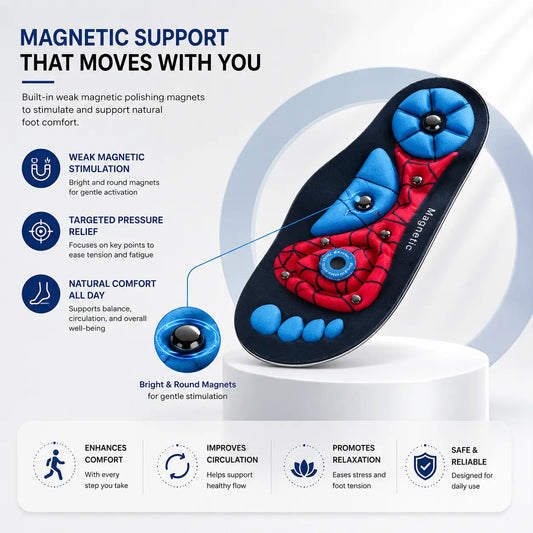
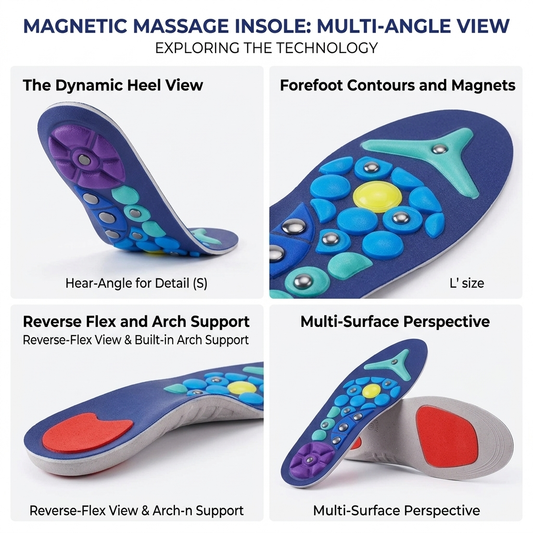
Magnetic Therapy Massage Insoles for Women's Running Shoes
Regular price $16Regular price$32Sale price $16Sale -
Heavy Duty Orthotic Shoe Insoles for Men and Women Online
Regular price $24Regular price$49Sale price $24Sale -
Orthotic Arch Support Insoles for Flat Feet & Heel Comfort
Regular price $13Regular price$27Sale price $13Sale
Insoles
Insoles provide an added layer of cushioning and support inside compatible footwear for work, walking, exercise, and everyday activities. Available in different shapes, materials, and support levels, they should match your foot needs, shoe type, activity, and comfort preferences for a secure, practical fit.
What Are Insoles?
Insoles are removable inserts placed inside shoes to add cushioning, support, improve fit, or replace worn factory liners. They are available in different shapes, materials, thicknesses, and support levels for walking, standing, work, exercise, and everyday footwear.
Insoles may improve comfort for some users, but they cannot correct every foot problem or guarantee pain relief.
Common Types of Insoles
|
Insole type |
General purpose |
|
Cushioning insoles |
Add softness and shock absorption inside footwear |
|
Arch-support insoles |
Provide structured support beneath the foot’s arch |
|
Orthotic insoles |
Influence foot support or pressure distribution |
|
Memory-foam insoles |
Conform partly to the foot under pressure |
|
Gel insoles |
Add cushioning in selected areas |
|
Work insoles |
Designed for prolonged standing and work footwear |
|
Athletic insoles |
Intended for walking, running, or sports footwear |
|
Heel cups |
Provide targeted cushioning around the heel |
|
Three-quarter insoles |
Support part of the foot while requiring less shoe space |
|
Full-length insoles |
Extend from the heel to the toes |
Comfort Insoles vs. Orthotic Insoles
Comfort insoles are generally sold over the counter and focus on cushioning or shoe fit. Orthotic insoles provide more structured support and may be available as prefabricated or custom-made devices.
Custom orthotics are prescribed and fitted by qualified professionals for individual medical or biomechanical needs. An over-the-counter insert should not be marketed as “custom” or “prescription” unless it truly meets those definitions.
What Can Insoles Do?
Depending on their design and fit, insoles may:
-
Add cushioning inside shoes
-
Provide arch or heel support
-
Replace compressed factory liners
-
Improve the fit of slightly roomy footwear
-
Redistribute pressure across parts of the foot
-
Complement walking, standing, work, or exercise routines
Results vary based on foot shape, footwear, activity, product construction, and the underlying cause of discomfort.
How Should Insoles Fit?
A properly fitted insole should:
-
Sit flat inside the shoe
-
Match the shoe’s length and width
-
Avoid bunching or sliding
-
Leave enough room for the toes
-
Keep the heel secure
-
Avoid creating pressure points
-
Work with the shoe’s removable liner when required
Some full-length insoles are designed to replace the original shoe liner, while others sit on top. Follow the product’s instructions.
When to Seek Professional Advice
Consult a podiatrist or another qualified healthcare professional for persistent foot pain, numbness, weakness, swelling, wounds, or difficulty walking. Professional guidance is especially important for people with diabetes, poor circulation, neuropathy, arthritis, or a history of foot ulcers.
Explore Different Types of Shoe Insoles
Shoe insoles are designed to improve the fit, cushioning, and support inside everyday footwear. From soft foam inserts to structured orthotic insoles, the right option depends on your shoes, daily activities, arch profile, and personal comfort needs.
Popular Types of Insoles
|
Insole type |
Common features |
Often used for |
|
Cushioning insoles |
Soft foam and lightweight padding |
Adding comfort to casual shoes |
|
Memory foam insoles |
Foam that conforms to the foot |
Everyday walking and standing |
|
Gel insoles |
Gel zones that absorb impact |
Work, errands, and high-impact activities |
|
Arch support insoles |
Contoured support beneath the arch |
Low, neutral, or high arches |
|
Orthotic insoles |
Firmer, structured foot support |
Alignment and stability needs |
|
Plantar fasciitis insoles |
Defined arch support and heel cushioning |
Supporting feet affected by heel discomfort |
|
Work insoles |
Durable cushioning and shock absorption |
Work boots and long shifts |
|
Athletic insoles |
Responsive cushioning and added stability |
Running, training, and sports |
|
Heel cups |
Targeted cushioning around the heel |
Shoes that need localized heel support |
|
Three-quarter-length insoles |
Support from the heel through the arch |
Low-volume or tighter-fitting shoes |
|
Full-length insoles |
Heel-to-toe cushioning and support |
Sneakers, boots, and roomy footwear |
Cushioning and Memory Foam Insoles
Cushioning insoles can make firm or lightly padded shoes feel more comfortable. Memory foam shoe inserts gently conform to the foot, making them a popular choice for casual footwear, commuting, and light daily activities.
These insoles prioritize softness. However, they may provide less structured arch support than firmer orthotic inserts.
Gel Insoles for Impact Absorption
Gel insoles are designed to reduce the impact felt during walking or standing. Many include targeted gel sections beneath the heel and forefoot, where pressure commonly builds.
They may be suitable for:
-
Retail, warehouse, and service-industry shifts
-
Daily walking and errands
-
Work boots and casual shoes
-
Light exercise and gym activities
Arch Support and Orthotic Insoles
Arch support insoles feature a contoured shape beneath the middle of the foot. They are available for low arches, neutral arches, and high arches, so selecting the appropriate profile is important.
Over-the-counter orthotic insoles generally offer firmer, more structured support than basic cushioning inserts. Custom orthotics, by comparison, are prescription devices made specifically for an individual by a qualified healthcare professional.
Insoles for Walking and Standing All Day
The best insoles for walking and standing all day should balance cushioning, stability, durability, and fit. Excessively soft inserts may compress quickly, while overly rigid options may feel uncomfortable if they do not match your feet.
Look for features such as:
-
A supportive heel cup
-
Cushioning beneath pressure-prone areas
-
Breathable or moisture-managing materials
-
A stable arch contour
-
A thickness that fits comfortably inside the shoe
Choosing the Right Shoe Inserts
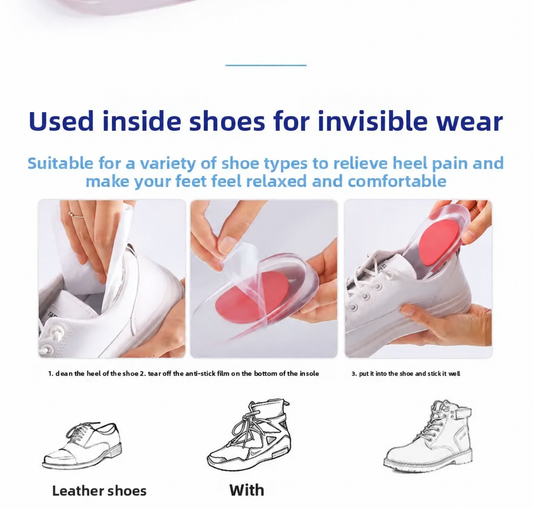
Before buying insoles, check whether your footwear has removable liners and enough interior space. Full-length insoles usually replace the original liner rather than sitting on top of it. Some trim-to-fit insoles can be shaped using the original shoe liner as a guide.
Consider your shoe type, activity level, arch profile, and desired level of cushioning. Stop using an insole if it causes new pain, blisters, numbness, or pressure points. Persistent foot or heel discomfort should be evaluated by a podiatrist or another qualified healthcare provider, especially for people with diabetes, neuropathy, circulation concerns, or existing foot wounds.
Cushioning Insoles vs. Orthotic Insoles
Cushioning insoles and orthotic insoles serve different purposes inside your shoes. Cushioning inserts primarily add softness and absorb impact, while orthotic inserts provide more structured arch and heel support. Understanding these differences can help you choose comfortable shoe insoles for your footwear, activities, and individual support needs.
Cushioning vs. Orthotic Insoles at a Glance
|
Feature |
Cushioning insoles |
Orthotic insoles |
|
Primary purpose |
Softness and impact absorption |
Structured support and stability |
|
Common materials |
Memory foam, gel, EVA foam |
Firm foam, molded plastic, composite materials |
|
Arch support |
Usually light or flexible |
Typically defined and structured |
|
Heel design |
Padded heel area |
Contoured or deep heel cup |
|
Flexibility |
Soft and flexible |
Semi-rigid or firm |
|
Common uses |
Casual wear, walking, and standing |
Foot-support and alignment needs |
|
Adjustment period |
Usually minimal |
May require gradual wear |
|
Available styles |
Mostly over-the-counter |
Over-the-counter or custom-made |
What Are Cushioning Insoles?
Cushioning insoles are soft shoe inserts designed to create a more comfortable surface beneath the feet. They can supplement worn or lightly padded footwear and may help absorb some of the impact associated with walking and standing.
Common types include:
-
Memory foam insoles that conform to the feet
-
Gel insoles with targeted cushioning zones
-
Foam inserts for everyday footwear
-
Work insoles designed for long shifts
-
Athletic cushioning insoles for active routines
Cushioned shoe insoles may be helpful when softness is the main priority. However, very soft materials can compress over time and may not provide enough stability for someone seeking substantial arch support.
What Are Orthotic Insoles?
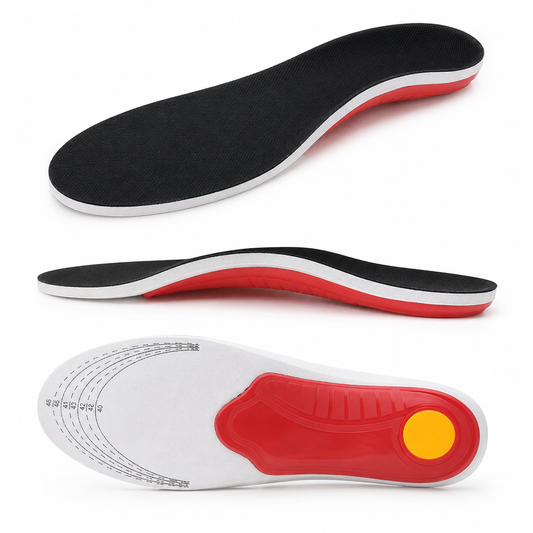
Orthotic insoles have a more structured shape intended to support the arch, cradle the heel, and promote stable foot positioning. Over-the-counter orthotic inserts are available in different profiles for low, neutral, and high arches.
Common features include:
-
Defined arch support
-
A firm or semi-rigid base
-
A deep heel cup
-
Added heel and forefoot cushioning
-
Full-length or three-quarter-length designs
Custom orthotics differ from store-bought insoles. They are prescription devices created for an individual after assessment by a qualified healthcare professional.
Which Type of Insole Should You Choose?
Consider cushioning insoles if you primarily want:
-
Additional softness inside firm shoes
-
Comfortable padding for everyday walking
-
Impact absorption during long periods of standing
-
A flexible insert requiring little adjustment time
Consider orthotic insoles if you want:
-
More structured arch support
-
Greater heel stability
-
Support tailored to your arch profile
-
A firmer foundation inside walking shoes or work footwear
Some hybrid insoles combine a supportive arch structure with foam or gel cushioning. These options may offer a practical balance of comfort and stability for daily use.
Fit Matters as Much as Support
The right shoe insert should fit without crowding the toes, lifting the heel excessively, or making the footwear feel tight. When possible, remove the original liner before installing a full-length replacement insole. For trim-to-fit designs, follow the manufacturer’s sizing instructions carefully.
Begin wearing firmer orthotic insoles for short periods and gradually increase use as your feet adjust. Discontinue use if you experience new pain, numbness, blisters, or persistent pressure.
Arch Support Insoles for Everyday Footwear
Arch support insoles are contoured shoe inserts designed to support the natural curve beneath the foot. Unlike basic cushioning inserts, they provide a more structured surface that may improve stability and distribute pressure more evenly during everyday walking and standing.
These supportive insoles can be worn in many types of footwear, including sneakers, casual shoes, work shoes, and boots. The most suitable option depends on your arch profile, shoe design, daily activities, and preferred level of firmness.
Types of Arch Support Insoles
|
Arch-support type |
General design |
Commonly suited for |
|
Low-arch insoles |
Lower, broader arch contour |
Low arches and flat feet |
|
Neutral-arch insoles |
Moderate arch height |
Average or neutral arches |
|
High-arch insoles |
Raised arch contour with added cushioning |
High arches and rigid feet |
|
Flexible arch supports |
Softer, more adaptable construction |
Everyday comfort and casual footwear |
|
Firm arch supports |
Structured or semi-rigid base |
Greater stability during walking or standing |
|
Three-quarter insoles |
Support from heel to arch |
Dress shoes and tighter footwear |
|
Full-length insoles |
Heel-to-toe support and cushioning |
Sneakers, work shoes, and boots |
Everyday Benefits of Supportive Insoles
Properly fitted arch support insoles may enhance comfort by providing a stable foundation inside the shoe. Depending on their design, they can offer:
-
Contoured support beneath the arch
-
Additional stability around the heel
-
Cushioning for walking on hard surfaces
-
More even pressure distribution
-
A more secure fit inside roomy shoes
-
Added comfort during long periods of standing
Individual results vary, and arch supports should feel comfortably supportive rather than painful or overly aggressive.
Matching Insoles to Your Arch Profile
Choosing the correct arch height is important. An insert that is too high may create uncomfortable pressure beneath the foot, while one that is too low may not provide the desired support.
A general guide includes:
-
Low arches: Look for broad, moderate support rather than a sharply raised contour.
-
Neutral arches: Choose medium-height support that follows the foot’s natural shape.
-
High arches: Consider a higher contour combined with cushioning beneath the heel and forefoot.
Arch appearance alone does not always explain foot discomfort. A podiatrist can assess foot movement, alignment, and support needs when symptoms persist.
Choosing Insoles for Different Shoes
Different footwear requires different insole thicknesses and lengths.
-
Sneakers: Full-length arch support insoles usually fit well when the original liner is removable.
-
Work shoes and boots: Look for durable materials, heel cushioning, and support designed for extended standing.
-
Casual shoes: Low- to medium-volume inserts can add support without making the shoe feel crowded.
-
Dress shoes: Slim or three-quarter-length insoles may fit better in narrow footwear.
-
Walking shoes: Choose a stable heel cup, suitable arch contour, and balanced cushioning.
How to Get a Comfortable Fit
Remove the existing liner before installing full-length replacement insoles whenever the shoe allows it. Confirm that your toes have enough space and that your heel does not slip or sit too high.
When beginning with firmer arch support insoles:
-
Wear them for a short period on the first day.
-
Gradually extend wear time as comfort allows.
-
Check for rubbing, pressure points, or changes in shoe fit.
-
Stop using them if they cause new pain, numbness, or blisters.
Explore Vendula Care’s collection of arch support insoles for everyday footwear, with options suited to walking, commuting, working, and spending long hours on your feet. Anyone with persistent foot pain, diabetes, neuropathy, poor circulation, or existing foot wounds should consult a qualified healthcare professional before using new shoe inserts.
Orthotic Insoles for Different Foot-Support Needs
Orthotic insoles are structured shoe inserts designed to support the arches, stabilize the heels, and create a more supportive foundation inside footwear. Available in multiple shapes, firmness levels, and lengths, these inserts can accommodate different arch profiles, activities, and everyday foot-support needs.
Unlike soft cushioning insoles, orthotic shoe inserts typically use firm or semi-rigid materials to help the foot remain stable during walking and standing. Some designs combine this structure with foam or gel padding for additional comfort.
Types of Orthotic Insoles
|
Orthotic insole type |
Main feature |
Common support need |
|
Low-arch orthotics |
Broad, lower arch contour |
Low arches or flat feet |
|
Neutral-arch orthotics |
Moderate, balanced contour |
Everyday stability and support |
|
High-arch orthotics |
Raised arch with added cushioning |
High arches and pressure distribution |
|
Firm orthotic insoles |
Rigid or semi-rigid support platform |
Greater stability inside footwear |
|
Cushioned orthotics |
Structured base with foam or gel |
Support combined with impact absorption |
|
Deep-heel-cup insoles |
Contoured heel cradle |
Heel stability and positioning |
|
Full-length orthotics |
Support from heel to toe |
Sneakers, walking shoes, and boots |
|
Three-quarter orthotics |
Heel and arch support with an open forefoot |
Dress shoes and low-volume footwear |
|
Custom orthotics |
Individually prescribed and manufactured |
Clinically assessed support needs |
Orthotic Insoles for Low Arches and Flat Feet
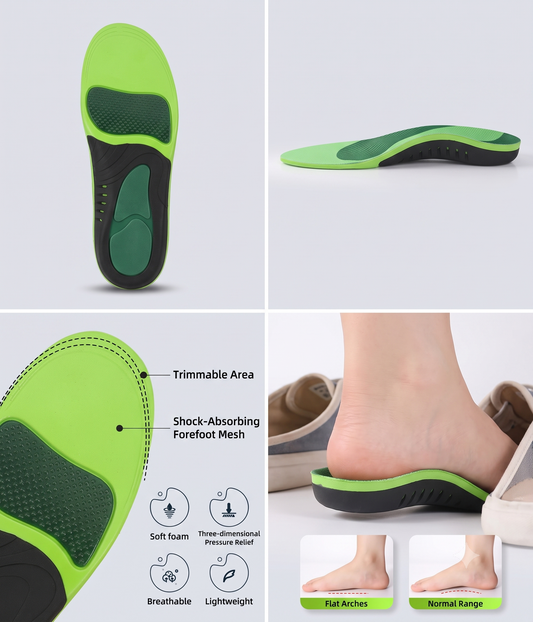
Orthopedic insoles for flat feet generally feature a wide, supportive arch rather than a narrow or sharply raised contour. The goal is to provide comfortable contact beneath the arch while supporting stable movement.
When choosing insoles for low arches, look for:
-
A moderate, broad arch shape
-
A stable heel cup
-
Firm but comfortable support
-
Materials that resist flattening
-
A design compatible with your everyday shoes
Support should feel secure without creating a hard pressure point beneath the arch.
Orthotic Insoles for Neutral and High Arches
People with neutral arches may prefer medium-height orthotic insoles that balance cushioning with structure. High arches often benefit from a raised contour and additional padding beneath the heel and forefoot, where pressure may be concentrated.
Because arch height and foot movement are not always the same, visual appearance alone may not determine the right insert. Comfort, fit, walking pattern, and professional recommendations should also guide your choice.
Choosing Support for Different Activities
Different routines place different demands on the feet.
-
Walking: Choose balanced cushioning, a secure heel cup, and flexible forefoot movement.
-
Standing all day: Look for durable support that maintains its shape under prolonged pressure.
-
Work: Select orthotic insoles that fit securely inside work shoes or boots without crowding the toes.
-
Exercise: Consider activity-specific insoles with impact-absorbing materials and stable heel support.
-
Daily errands: A medium-support, full-length insert may provide a practical combination of comfort and stability.
-
Dress wear: Slim or three-quarter-length orthotics generally fit better in low-volume shoes.
Over-the-Counter vs. Custom Orthotics
Over-the-counter orthotic insoles are mass-produced in standard sizes and arch profiles. They offer an accessible option for shoppers seeking additional support in everyday footwear.
Custom orthotics are prescription medical devices made for an individual after an assessment by a podiatrist or another qualified healthcare professional. They may be recommended when standard inserts do not meet a person’s specific clinical needs.
How to Find the Right Fit
Before selecting orthotic insoles:
-
Identify whether your shoes have removable liners.
-
Check the insole length, width, and arch height.
-
Match the insert volume to the available shoe space.
-
Choose a firmness level that feels supportive—not painful.
-
Introduce structured insoles gradually to allow an adjustment period.
New orthotic inserts should not cause sharp pain, numbness, blisters, or persistent pressure. Stop using them if these symptoms occur.
Explore Vendula Care’s selection of orthotic insoles for walking, work, casual footwear, and everyday support. People with persistent foot pain, diabetes, neuropathy, poor circulation, previous foot surgery, or open wounds should consult a qualified healthcare provider before using new insoles.
Insoles for Flat Feet and Low Arches
Insoles for flat feet and low arches provide structured support beneath the foot while helping create a stable, comfortable foundation inside compatible footwear. The best option should match your arch profile, shoe type, daily activities, and preferred level of cushioning—not simply offer the highest or firmest arch.
Some people naturally have low arches without discomfort. Insoles may improve comfort and support, but they do not permanently rebuild an arch or guarantee pain relief.
Features to Look for in Flat-Feet Insoles
|
Feature |
Potential benefit |
|
Broad arch contour |
Supports a low arch without creating a concentrated pressure point |
|
Firm or semi-rigid base |
Helps the insert maintain its shape during walking and standing |
|
Deep heel cup |
Cradles the heel and supports stability |
|
Heel cushioning |
Adds padding beneath a pressure-prone area |
|
Forefoot cushioning |
Supports comfort under the ball of the foot |
|
Full-length design |
Provides heel-to-toe cushioning and support |
|
Three-quarter length |
Fits more easily inside dress shoes and low-volume footwear |
|
Trim-to-fit shape |
Allows adjustment for compatible shoe sizes |
|
Moisture-managing top layer |
Helps manage warmth and perspiration during extended wear |
Choosing the Right Arch-Support Level
Low-arch insoles generally use a wider, more gradual contour than high-arch inserts. Support should feel present beneath the foot but should not cause sharp pressure or push the arch into an uncomfortable position.
When comparing orthopedic insoles for flat feet, consider:
-
Arch height: Select a low or moderate contour suited to your foot shape.
-
Support firmness: Choose enough structure to remain stable without feeling excessively rigid.
-
Cushioning: Look for balanced padding rather than softness that compresses quickly.
-
Heel design: A secure heel cup may help the foot sit more consistently inside the shoe.
-
Insole thickness: Confirm that the insert leaves sufficient room for your toes.
-
Activity level: Match the construction to walking, work, exercise, or everyday use.
Insoles for Different Types of Footwear
-
Walking shoes: Consider full-length insoles with balanced cushioning, moderate arch support, and a stable heel cup.
-
Work boots: Look for durable materials that retain their shape during long shifts.
-
Sneakers: Select flexible insoles that fit securely without restricting natural forefoot movement.
-
Casual shoes: Low- or medium-volume inserts can provide support without overcrowding the shoe.
-
Dress shoes: Slim or three-quarter-length insoles may fit better when interior space is limited.
Whenever possible, remove the original shoe liner before inserting a full-length replacement. Placing two thick insoles on top of each other may make footwear too tight and alter the fit.
How to Adjust to New Insoles
Structured arch-support insoles may require a short adjustment period. Begin by wearing them for limited periods and gradually increase wear time as comfort allows.
Check regularly for:
-
Arch pressure
-
Heel slipping
-
Toe crowding
-
Skin irritation
-
Blisters
-
Numbness or tingling
-
New or worsening discomfort
Stop using the insoles if they cause persistent pain or pressure. Replace them when their cushioning is compressed, the support structure is distorted, or the top covering is damaged.
When to Consult a Foot-Care Professional
See a podiatrist or another qualified healthcare professional if flat feet are accompanied by persistent pain, swelling, weakness, numbness, difficulty walking, or symptoms affecting only one foot. Professional guidance is particularly important for people with diabetes, neuropathy, circulation problems, previous foot surgery, or open wounds.
Insoles for Plantar Fasciitis and Heel Discomfort
Insoles for plantar fasciitis and heel discomfort are designed to combine arch support, heel stability, and cushioning inside compatible footwear. A properly fitted insert may help reduce stress on the plantar fascia and improve comfort while walking or standing, but it should not be considered a guaranteed cure for heel pain.
Plantar fasciitis commonly causes pain on the bottom of the foot near the heel. Discomfort may be most noticeable during the first steps after waking or after sitting for an extended period. Because heel pain can have several causes, persistent or severe symptoms require a professional diagnosis.
Features to Look for in Plantar Fasciitis Insoles
|
Insole feature |
Intended purpose |
|
Contoured arch support |
Helps support the arch and distribute pressure |
|
Deep heel cup |
Cradles the heel and promotes stability |
|
Heel cushioning |
Adds padding beneath the heel |
|
Firm or semi-rigid base |
Helps the insole retain its supportive shape |
|
Forefoot cushioning |
Adds comfort beneath the ball of the foot |
|
Full-length design |
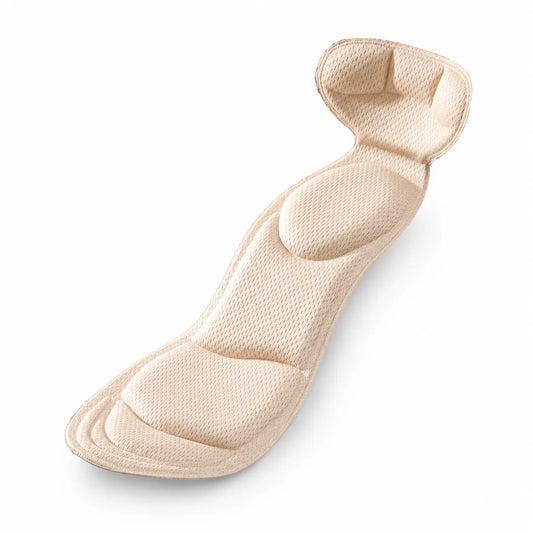
Provides heel-to-toe support and cushioning |
|
Three-quarter length |
Fits footwear with limited interior space |
|
Moisture-managing top cover |
Helps manage warmth and perspiration |
|
Trim-to-fit construction |
Allows sizing adjustments for compatible shoes |
Choosing the Right Level of Arch Support
The highest arch is not automatically the best choice. An insole should follow the general shape of your foot without creating a hard or painful pressure point.
When comparing plantar fasciitis insoles, consider:
-
Your natural arch height
-
The location of your discomfort
-
The firmness of the support
-
The amount of heel cushioning
-
Your shoe type and available interior space
-
The activities for which the insoles will be used
-
Whether the original shoe liner is removable
A supportive insert should sit flat, remain stable, and leave enough room for the toes. It should not cause heel slipping, numbness, rubbing, or new discomfort.
Full-Length Insoles vs. Heel Cups
Full-length arch-support insoles extend from the heel to the toes. They may be suitable for walking shoes, sneakers, work footwear, and boots with removable liners.
Heel cups and heel pads provide more localized cushioning. They take up less space but may not offer the structured arch support found in full-length orthotic insoles.
|
Option |
Coverage |
Often suitable for |
|
Full-length insole |
Heel to toe |
Roomy shoes with removable liners |
|
Three-quarter insole |
Heel through the arch |
Dress shoes and lower-volume footwear |
|
Heel cup |
Heel only |
Targeted cushioning with minimal added bulk |
|
Cushioned heel pad |
Area beneath the heel |
Additional softness in compatible shoes |
Insoles for Walking, Work, and Everyday Shoes
For walking or standing on hard surfaces, look for a balance of structured arch support and shock-absorbing cushioning. An excessively soft insole may compress quickly, while an overly rigid insert may feel uncomfortable if it does not match your foot.
Match the insole to the footwear:
-
Walking shoes: Choose balanced cushioning, arch support, and a secure heel cup.
-
Work boots: Look for durable materials that retain their shape during long shifts.
-
Sneakers: Select an insert that supports the heel without restricting forefoot movement.
-
Casual shoes: Consider a low- or medium-volume design.
-
Dress shoes: Use a slim or three-quarter-length insert when space is limited.
Supportive shoes also matter. Worn-out footwear or shoes with insufficient support can limit the usefulness of a new insert.
How to Begin Wearing New Insoles
Structured shoe inserts may require an adjustment period:
-
Wear the insoles for a short time on the first day.
-
Gradually increase wear as comfort allows.
-
Check your feet for pressure points or skin irritation.
-
Confirm that the shoes still fit securely.
-
Stop using the inserts if they cause new or worsening symptoms.
Replace insoles when the cushioning becomes compressed, the supportive structure loses its shape, or the covering becomes damaged.
When to Seek Professional Care
Insoles may be one part of a broader care plan that can include activity changes, supportive footwear, stretching, physical therapy, or other clinician-recommended treatments. The American Academy of Orthopaedic Surgeons notes that supportive shoes, cushioning, and shoe inserts may help reduce tension placed on the plantar fascia during standing and walking.
FAQs
What type of insole is best for plantar fasciitis?
Look for an insole with contoured arch support, a stable heel cup, balanced cushioning, and a firm base that fits your foot and footwear comfortably.
Can insoles cure plantar fasciitis?
No. Insoles may support the arch and improve comfort, but they cannot guarantee a cure and may be only one part of a clinician-recommended care plan.
Are soft or firm insoles better for heel discomfort?
A combination of structured support and comfortable cushioning is often preferable. Excessively soft insoles may compress, while overly firm inserts can create pressure points.
How long should I wear new plantar fasciitis insoles?
Begin with short periods and gradually increase wear time as your feet adjust. Stop using them if they cause new pain, numbness, blisters, or persistent pressure.
When should I see a doctor about heel pain?
Consult a healthcare professional if heel pain is severe, persistent, worsening, follows an injury, or occurs with swelling, numbness, weakness, or difficulty walking.