Footwear: Supportive & Comfort Styles
-
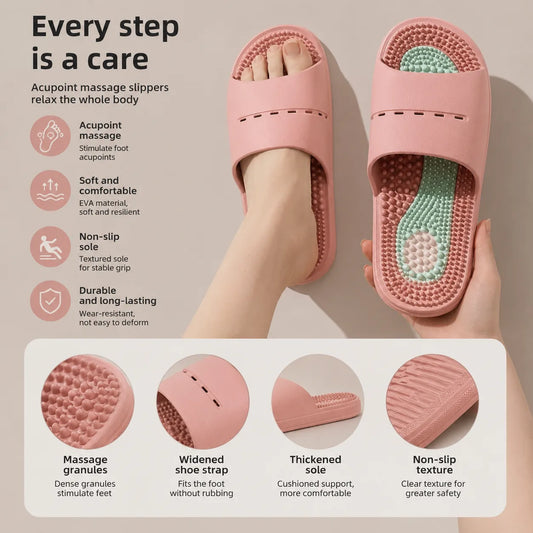
Massage Slippers with Acupressure Nodes for Foot Pain Relief
Regular price $27Regular price$59Sale price $27Sale -
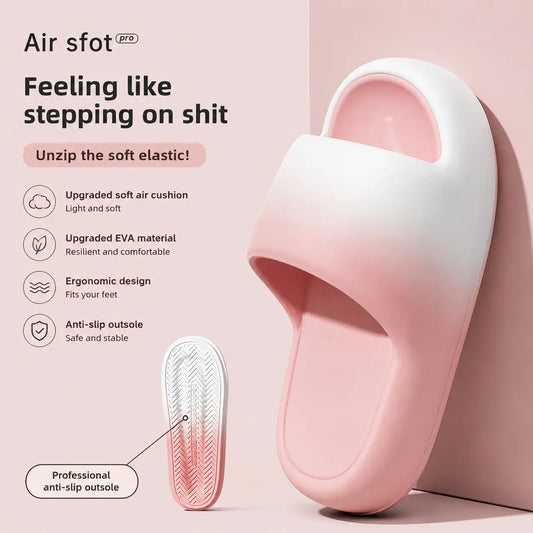
EVA Thick Sole Height Increasing Sandals for Outdoor Wear
Regular price $26Regular price$60Sale price $26Sale -
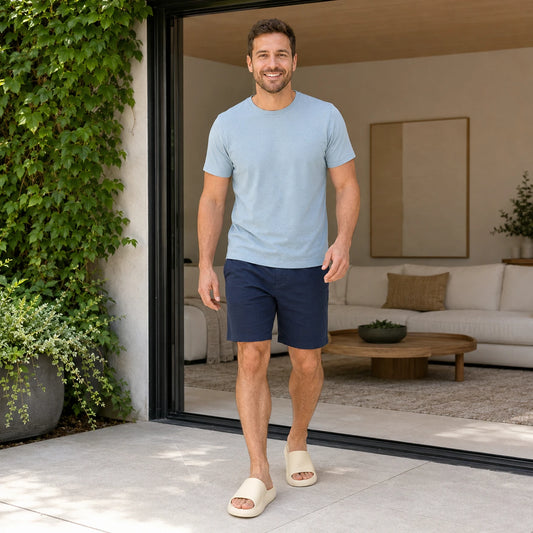
Men's EVA Coconut Slippers with Thick, Cushioned Soft Sole
Regular price $17Regular price$40Sale price $17Sale -
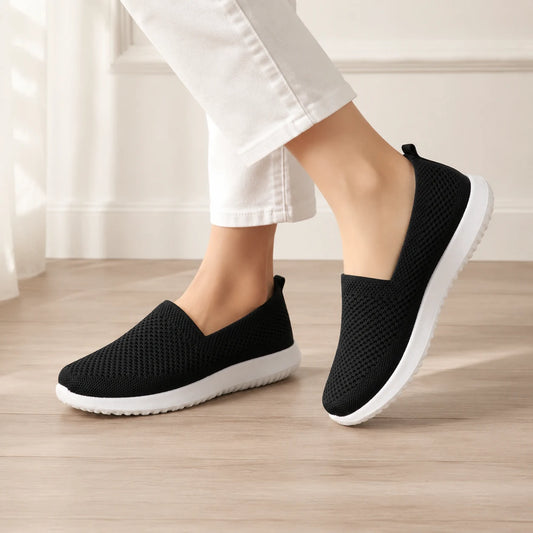
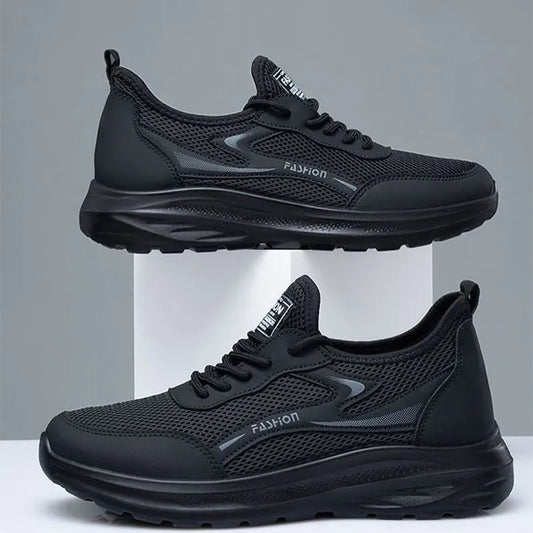
Breathable Mesh Slip On Walking Shoes for All Day Comfort
Regular price $23Regular price$50Sale price $23Sale -
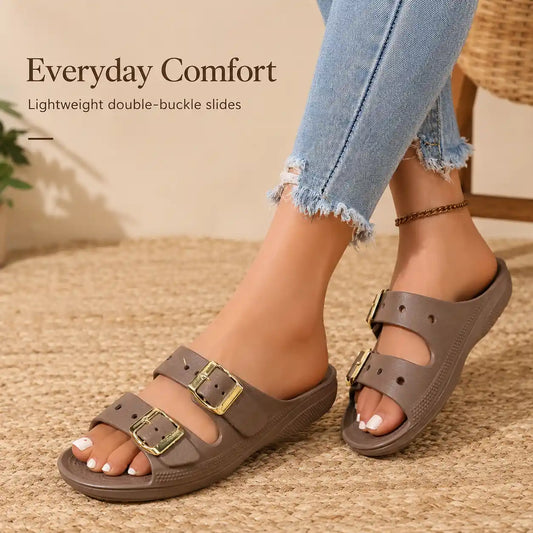
Women's Adjustable Dual Strap Sandals for Summer Comfort
Regular price $19Regular price$49Sale price $19Sale -
Lightweight Breathable Running Shoes for Casual Sports Wear
Regular price $20Regular price$45Sale price $20Sale -
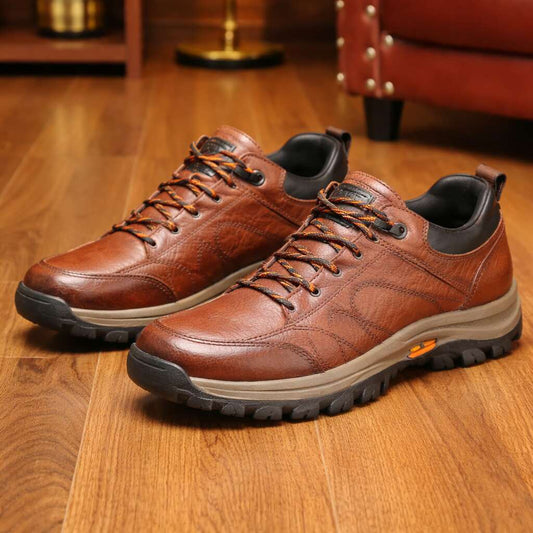
Comfortable Men's Hiking Shoes Trails, Sports & Casual Wear
Regular price $22Regular price$49Sale price $22Sale -
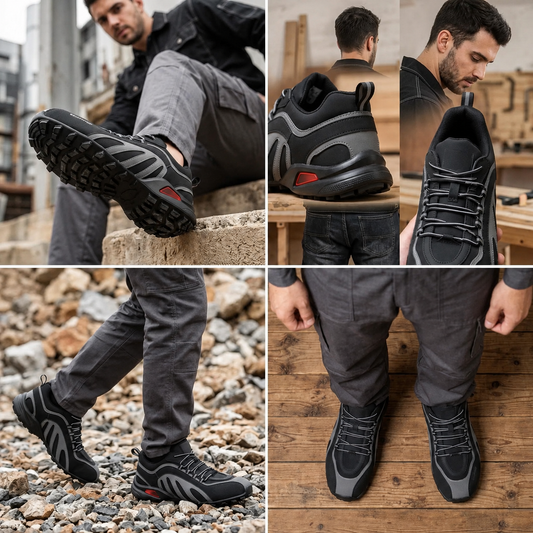
Steel Toe Safety Footwear Work, Comfort & Foot Protection
Regular price $45Regular price$95Sale price $45Sale -
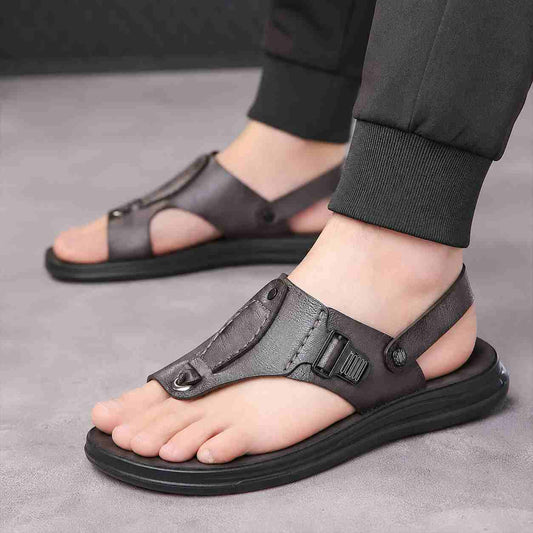
Men's Casual Leather Sandals Beach, Summer & Everyday Wear
Regular price $24Regular price$54Sale price $24Sale
Footwear
Footwear supports comfort, protection, and confident movement throughout your daily routine. From casual walking shoes to supportive and activity-focused styles, the right pair should suit your foot shape, lifestyle, and intended use. Explore Vendula Care’s collection to find practical options for work, travel, exercise, and everyday wear.
Explore Footwear for Everyday Comfort and Movement
The right footwear can support comfortable movement during work, errands, exercise, travel, and everyday activities. Vendula Care’s footwear collection brings together practical options for different routines, environments, and fit preferences.
From lightweight walking shoes to activity-focused designs, each pair should be selected according to its intended use, materials, size, cushioning, traction, and overall fit.
Footwear for Different Daily Activities
Your footwear needs may change depending on how long you remain on your feet, the surfaces you use, and the movement required.
|
Activity |
Footwear Features to Consider |
|
Everyday walking |
Flexible sole, secure fit, lightweight materials |
|
Long work shifts |
Cushioning, stable outsole, roomy toe area |
|
Running and exercise |
Activity-specific traction, secure heel, responsive sole |
|
Hiking |
Durable tread, reinforced construction, underfoot protection |
|
Travel |
Lightweight build, easy closure, versatile design |
|
Casual wear |
Comfortable fit, breathable upper, everyday styling |
|
Wet environments |
Quick-drying materials and suitable wet-surface grip |
Choose Footwear That Matches Your Routine
A shoe designed for one purpose may not perform equally well in another setting. Running shoes, hiking footwear, casual shoes, and water-friendly designs use different combinations of cushioning, flexibility, traction, and protection.
Check the Intended Use
Review the individual product description before purchasing. Look for information about suitable activities, surfaces, weather conditions, and any limitations.
Prioritize Proper Footwear Fit
Comfortable footwear should provide enough room for the toes while holding the heel and midfoot securely. Shoes should not create pinching, rubbing, numbness, or excessive movement.
Measure Both Feet
Measure the length and width of both feet while standing, then select a size using the larger measurement. Compare your results with the product-specific size chart because sizing can differ among styles.
Compare Cushioning and Support
Cushioning may help soften impact during daily movement, while structural features can influence stability and how the shoe feels underfoot.
|
Feature |
What It May Provide |
|
Cushioned footbed |
Softer underfoot feel |
|
Wide toe box |
Additional room around the toes |
|
Flexible forefoot |
Easier bending during movement |
|
Stable heel |
More secure rear-foot fit |
|
Textured outsole |
Traction suited to specific surfaces |
|
Removable insole |
Space for compatible replacement inserts |
|
Breathable upper |
Improved airflow around the foot |
Consider Materials and Construction
Mesh, knit, synthetic, leather, and water-friendly materials each provide different levels of airflow, durability, flexibility, and weather protection.
Match Materials to the Environment
Breathable footwear may suit warm conditions, while reinforced or water-resistant construction may be more appropriate for outdoor use. Water-resistant and waterproof are not interchangeable terms, so verify the product specifications.
Popular Types of Footwear
Footwear is designed for different activities, environments, seasons, and style preferences. Understanding the main footwear categories can help you choose shoes that offer an appropriate balance of comfort, fit, traction, flexibility, and protection.
Walking Shoes
Walking shoes are designed for everyday movement, errands, travel, and fitness walking. They typically combine cushioning, flexibility, and a stable fit.
Features to Consider
Look for a comfortable toe box, secure heel, flexible forefoot, suitable cushioning, and an outsole designed for the surfaces where you regularly walk.
Running Shoes
Running shoes are built to manage repeated forward movement and impact. Road, track, and trail running styles may use different cushioning levels and tread patterns.
Match Shoes to Your Running Surface
Road running footwear usually has smoother outsoles, while trail running shoes commonly feature deeper tread and added protection for uneven terrain.
Hiking Footwear
Hiking shoes and boots are designed for outdoor trails. Depending on the product, they may include rugged outsoles, reinforced uppers, toe protection, or water-resistant materials.
Shoes vs. Boots
Low-cut hiking shoes are generally lighter, while hiking boots may provide more coverage and structure. Choose according to the terrain, weather, distance, and load carried.
Casual Footwear
Casual shoes are intended for
Popular Types of Footwear
Footwear is designed for different activities, surfaces, weather conditions, and personal preferences. Understanding the main footwear categories can help you compare fit, cushioning, flexibility, traction, and protection before selecting a pair.
Walking Shoes
Walking shoes are intended for everyday movement, errands, commuting, and light fitness activities. They typically balance cushioning, flexibility, and stability.
Features to Consider
Look for a secure heel, comfortable toe space, flexible forefoot, and outsole suited to the surfaces where you regularly walk.
Running and Athletic Shoes
Running shoes are built for repeated forward movement and impact, while training shoes may provide more side-to-side stability for gym activities.
Match the Shoe to the Exercise
Road running, trail running, strength training, and court sports place different demands on footwear. Choose an activity-specific design rather than using one pair for every workout.
Hiking Footwear
Hiking shoes and boots are designed for trails, uneven ground, and outdoor conditions. They may include deeper tread, reinforced toe areas, durable uppers, and additional underfoot protection.
Consider the Terrain
Light trails may require less structure, while rocky, wet, or technical routes may call for stronger traction and greater protection.
Casual Shoes and Sneakers
Casual footwear is designed for daily wear and may include sneakers, slip-ons, loafers, and other lifestyle styles.
Balance Style With Fit
Even occasional footwear should provide sufficient length, width, and stability for the activities you plan to perform.
Work Footwear
Work shoes are designed around occupational needs, including long periods of standing, slip resistance, protective toe areas, or workplace-specific safety requirements.
Verify Required Safety Standards
Some workplaces require certified protective footwear. Review employer guidelines and product certifications before purchasing.
Sandals, Slides, and Open Footwear
Sandals and slides offer ventilation and convenient wear in warm conditions. Designs range from lightweight casual styles to structured walking sandals.
Check Strap Security
Adjustable straps and stable soles can improve fit. Loose footwear may slide during movement or provide limited control on uneven surfaces.
Barefoot and Minimalist Shoes
Barefoot shoes generally feature a wide toe box, thin flexible sole, and zero or minimal heel-to-toe drop. They provide greater ground feel but less cushioning than many conventional shoes.
Transition Gradually
People accustomed to structured or cushioned footwear should introduce minimalist shoes slowly and stop if pain develops.
Water Shoes
Water shoes are designed for beaches, pools, boating, and other wet environments. They commonly use quick-drying materials, drainage features, and textured outsoles.
Wet-Surface Grip Varies
No footwear can prevent every slip. Check the intended environment and outsole design before use.
Popular Footwear Types Compared
|
Footwear Type |
Common Use |
Key Features |
|
Walking shoes |
Daily walking and errands |
Cushioning, flexibility, stable fit |
|
Running shoes |
Road or trail running |
Impact management and activity-specific traction |
|
Training shoes |
Gym and fitness |
Stable base and lateral support |
|
Hiking footwear |
Trails and outdoor use |
Durable tread and underfoot protection |
|
Casual sneakers |
Everyday wear |
Versatile comfort and styling |
|
Work shoes |
Occupational use |
Stability and job-specific protection |
|
Sandals |
Warm-weather wear |
Ventilation and adjustable straps |
|
Barefoot shoes |
Minimalist walking or training |
Wide toe box and flexible sole |
|
Water shoes |
Wet environments |
Quick-drying materials and drainage |
Footwear for Women
Women’s footwear should balance fit, comfort, function, and personal style. Whether you need walking shoes for daily errands, athletic footwear for exercise, supportive shoes for long workdays, or casual styles for travel, the right pair should match your foot shape and intended activity.
Vendula Care offers practical women’s footwear options designed for a range of everyday routines. Product features vary, so review the individual size chart, materials, cushioning, traction, and care instructions before ordering.
Popular Types of Women’s Footwear
Women can choose from footwear designed for specific settings and activities.
|
Footwear Type |
Common Use |
Features to Consider |
|
Walking shoes |
Errands, commuting, and daily walks |
Cushioning, flexibility, secure fit |
|
Running shoes |
Road or trail running |
Activity-specific outsole and heel security |
|
Training shoes |
Gym and fitness activities |
Stable base and lateral support |
|
Hiking footwear |
Trails and outdoor use |
Durable tread and reinforced construction |
|
Casual sneakers |
Everyday outfits and travel |
Lightweight materials and versatile styling |
|
Work shoes |
Long shifts and occupational use |
Stable sole and job-specific requirements |
|
Sandals |
Warm-weather activities |
Adjustable straps and secure foot placement |
|
Barefoot shoes |
Minimalist walking or training |
Wide toe box and thin, flexible sole |
|
Water shoes |
Beach, pool, or boating use |
Quick-drying materials and drainage |
Choose Women’s Footwear by Activity
A shoe designed for casual use may not provide the traction or protection needed for trails, running, or workplace environments.
Match Features to Your Routine
Consider how long you will wear the shoes, the surfaces you will encounter, and whether your activity requires cushioning, flexibility, water resistance, or additional stability.
Understanding Women’s Footwear Fit
A properly fitted shoe should provide enough space around the toes while securing the heel and midfoot. Your toes should not press against the front, overlap, or feel compressed.
Measure Both Feet
Measure the length and width of both feet while standing, then use the larger measurement. Sizing can differ among footwear styles, so compare your measurements with the product-specific chart.
Key Comfort Features
Comfort depends on more than shoe size. Review the entire construction when comparing women’s footwear.
|
Feature |
What It May Provide |
|
Wide toe box |
More room around the toes |
|
Cushioned footbed |
Softer underfoot feel |
|
Flexible forefoot |
Easier bending during walking |
|
Stable heel area |
More secure rear-foot fit |
|
Breathable upper |
Increased airflow |
|
Adjustable closure |
More personalized fit |
|
Removable insole |
Space for compatible replacement inserts |
|
Textured outsole |
Traction for intended surfaces |
Footwear for Standing and Walking All Day
Women who spend long hours on their feet may prefer footwear with a stable outsole, appropriate cushioning, secure heel fit, and sufficient toe space.
Replace Worn-Out Shoes
Compressed cushioning, uneven sole wear, damaged interiors, and reduced traction may indicate that footwear needs to be replaced.
Materials and Seasonal Use
Mesh and knit uppers may suit warm weather, while leather, reinforced synthetics, or water-resistant materials may provide greater coverage in cooler or wetter conditions.
Waterproof and Water-Resistant Are Different
Waterproof footwear is designed to block water, while water-resistant materials only provide limited protection. Always confirm the product specifications.
Footwear for Men
Men’s footwear should provide the fit, comfort, traction, and protection required for its intended activity. Whether you need walking shoes for daily errands, athletic footwear for workouts, hiking shoes for outdoor use, or supportive shoes for long work shifts, choose a pair that matches your foot shape and routine.
Vendula Care offers practical men’s footwear options for work, travel, exercise, and everyday wear. Features vary by product, so review the individual size chart, materials, sole design, cushioning, and care instructions before ordering.
Popular Types of Men’s Footwear
Different shoe categories are designed for different movements, surfaces, and environments.
|
Footwear Type |
Common Use |
Features to Consider |
|
Walking shoes |
Daily walks, errands, and commuting |
Cushioning, flexibility, secure fit |
|
Running shoes |
Road or trail running |
Activity-specific traction and heel security |
|
Training shoes |
Gym workouts and fitness |
Stable base and lateral support |
|
Hiking footwear |
Trails and outdoor activities |
Durable tread and underfoot protection |
|
Casual sneakers |
Everyday wear and travel |
Lightweight construction and versatile styling |
|
Work shoes |
Long shifts and occupational use |
Stable sole and required safety features |
|
Sandals and slides |
Warm weather and casual use |
Secure straps and textured outsole |
|
Barefoot shoes |
Minimalist walking or training |
Wide toe box and thin, flexible sole |
|
Water shoes |
Beach, pool, and boating activities |
Quick-drying materials and drainage |
Choose Men’s Footwear by Activity
A casual sneaker may not provide the same traction, stability, or protection as footwear designed for running, hiking, or workplace use.
Review the Intended Use
Check whether the product is designed for pavement, trails, indoor training, wet environments, or general daily wear. Use footwear only in appropriate settings.
Understanding Men’s Footwear Fit
A properly fitted shoe should hold the heel and midfoot securely while providing adequate room around the toes. It should not cause pinching, rubbing, numbness, or excessive sliding.
Measure Length and Width
Measure both feet while standing and use the larger measurement. Compare it with the product-specific size chart because sizing and width can differ among styles.
Features That Support Everyday Comfort
|
Feature |
What It May Provide |
|
Roomy toe box |
Additional space around the toes |
|
Cushioned footbed |
Softer underfoot feel |
|
Flexible forefoot |
Easier bending during movement |
|
Stable heel structure |
More secure rear-foot fit |
|
Breathable upper |
Improved airflow |
|
Adjustable closure |
More personalized fit |
|
Removable insole |
Space for compatible replacement inserts |
|
Textured outsole |
Activity-specific traction |
Men’s Footwear for Long Workdays
Men who stand or walk for extended periods may prefer footwear with appropriate cushioning, a stable outsole, secure heel fit, and sufficient toe space.
Check Workplace Requirements
Some jobs require slip-resistant soles, protective toe caps, electrical-hazard protection, or other certified safety features. Confirm employer requirements before purchasing work footwear.
Materials and Weather Conditions
Mesh and knit materials may improve airflow in warm weather. Leather, reinforced synthetics, and water-resistant uppers may offer greater coverage in cooler or wetter conditions.
Check Water-Protection Claims
Water-resistant footwear provides limited moisture protection, while waterproof footwear is designed to block water. Performance depends on the complete construction, including seams and closures.
Walking Footwear for Daily Activities
Walking footwear is designed to support comfortable movement during errands, commuting, work breaks, travel, and everyday exercise. A suitable pair should fit securely, provide enough toe space, and offer cushioning, flexibility, and traction appropriate for the surfaces you use.
Vendula Care offers walking shoes for different daily routines and preferences. Because features vary by product, review the size chart, materials, sole construction, and intended use before choosing a pair.
What Makes Good Walking Footwear?
Comfortable walking shoes should balance flexibility and stability. The forefoot should bend naturally as you step, while the heel and midfoot remain secure.
Important Walking Shoe Features
Look for features such as:
-
Adequate toe room
-
Secure heel fit
-
Appropriate underfoot cushioning
-
Flexible forefoot
-
Stable outsole
-
Breathable upper materials
-
Adjustable laces or straps
-
Traction suited to the walking surface
Choosing Walking Shoes by Activity
Different daily activities require different footwear features.
|
Daily Activity |
Features to Consider |
|
Neighborhood walks |
Cushioning, flexibility, breathable upper |
|
Work and commuting |
Stable sole, durable materials, secure fit |
|
Shopping and errands |
Lightweight construction and everyday comfort |
|
Fitness walking |
Responsive sole and reliable traction |
|
Travel and sightseeing |
Low weight, cushioning, versatile design |
|
Outdoor paths |
Textured outsole and underfoot protection |
|
Wet conditions |
Water-resistant materials and suitable grip |
How Should Walking Footwear Fit?
Your toes should have enough space to lie flat and move without pressing against the front or sides. The heel should remain secure without slipping or rubbing.
Check Both Length and Width
Shoe size alone does not guarantee the correct fit. Measure both feet while standing and use the larger measurement when reviewing the product-specific size chart.
Cushioning and Underfoot Comfort
Cushioning may help soften repeated contact with hard walking surfaces. The ideal amount depends on personal preference, walking distance, body weight, and the surfaces you regularly use.
|
Cushioning Level |
Possible Use |
|
Minimal |
Greater ground feel and flexibility |
|
Moderate |
Balanced comfort for everyday walking |
|
High |
Softer feel during longer walks or hard-surface use |
More Cushioning Is Not Always Better
Excessively soft footwear may feel unstable to some wearers. Choose a level that feels comfortable and controlled during movement.
Walking Shoe Materials
Mesh and knit uppers can promote airflow, while leather or reinforced synthetic materials may offer more structure and coverage.
Match Materials to the Weather
Breathable walking shoes may suit warm conditions, while water-resistant or waterproof styles may be more practical in wet weather. Verify the exact protection claim before buying.
Walking Footwear vs. Running Shoes
Walking shoes are generally designed around the rolling heel-to-toe motion of walking. Running shoes are built for higher-impact movement and may use different cushioning, geometry, and outsole construction.
Running and Athletic Footwear
Running and athletic footwear is designed to support the movements, surfaces, and impact patterns associated with exercise. Running, strength training, court sports, and trail activities place different demands on the feet, so choosing activity-specific shoes can improve comfort, traction, and control.
Vendula Care offers athletic footwear for a range of active routines. Review each product’s intended use, size chart, cushioning, outsole, materials, and fit before purchasing.
Types of Athletic Footwear
Athletic shoes are constructed differently based on the direction and intensity of movement.
|
Footwear Type |
Intended Activity |
Features to Consider |
|
Road running shoes |
Pavement and treadmills |
Cushioning, smooth transitions, road traction |
|
Trail running shoes |
Dirt, gravel, and uneven trails |
Deeper tread and underfoot protection |
|
Walking shoes |
Daily or fitness walking |
Flexible forefoot and stable heel |
|
Cross-training shoes |
Mixed gym workouts |
Stable base and lateral security |
|
Weight-training shoes |
Strength exercises |
Firm platform and secure fit |
|
Court shoes |
Tennis and similar sports |
Side-to-side stability and durable outsole |
|
Minimalist shoes |
Low-structure training |
Thin sole, flexibility, wide toe box |
Choosing Running Shoes
Running shoes should fit securely around the heel and midfoot while leaving enough room in the toe box. Consider your running surface, typical distance, preferred cushioning, and the type of workouts you perform.
Road vs. Trail Running Shoes
Road running shoes generally use smoother outsoles for pavement, while trail running shoes typically include deeper lugs for loose or uneven ground. Trail models may also provide reinforced toe areas and additional underfoot protection.
Selecting Shoes for Gym Training
Gym workouts may combine lifting, jumping, short runs, and side-to-side movement. Cross-training footwear is usually designed to balance flexibility and stability.
Consider Your Primary Workout
A soft running shoe may feel unstable during heavy lifting, while a firm training shoe may not provide the preferred cushioning for longer runs. Match the footwear to the activity you perform most often.
Athletic Footwear Fit Guide
|
Fit Area |
Recommended Feel |
Warning Sign |
|
Toe box |
Toes can lie flat and move |
Pinching or contact with the front |
|
Midfoot |
Secure without pressure |
Numbness or tightness |
|
Heel |
Stable during movement |
Slipping or rubbing |
|
Arch area |
Comfortable contact |
Painful or excessive pressure |
|
Overall length |
Small allowance beyond longest toe |
Toes hitting the shoe during activity |
Measure Both Feet
Measure foot length and width while standing, preferably later in the day. Use the larger foot when comparing measurements with the product-specific size chart.
Cushioning and Stability
Cushioning can soften impact, while a stable platform may provide greater control during lateral movements or strength training. More cushioning is not automatically better for every activity.
Choose Based on Comfort and Purpose
Select a cushioning level that feels comfortable and controlled rather than choosing solely by appearance or marketing terms.
Outsole and Traction
Athletic shoe traction should match the intended surface. Road, trail, gym, and court outsoles use different tread patterns and rubber compounds.
No Outsole Prevents Every Slip
Keep footwear clean and replace shoes when the tread becomes worn or damaged. Use athletic footwear only on appropriate surfaces.
Breathability and Materials
Mesh and knit uppers may improve ventilation, while synthetic overlays can add structure and durability. Trail and outdoor designs may use reinforced or water-resistant materials.
Hiking Footwear for Outdoor Adventures
Hiking footwear is designed to provide traction, protection, and a secure fit across outdoor surfaces. From maintained park paths to rocky trails, the right hiking shoes or boots should match the terrain, weather, distance, and weight you plan to carry.
Vendula Care offers outdoor footwear for different adventures and preferences. Review each product’s intended use, size chart, outsole, materials, water protection, and care instructions before ordering.
Types of Hiking Footwear
Hiking shoes, trail shoes, and boots differ in weight, structure, coverage, and protection.
|
Hiking Footwear Type |
Best Suited For |
Key Features |
|
Lightweight hiking shoes |
Day hikes and maintained trails |
Flexible construction and lower weight |
|
Trail shoes |
Faster movement on varied terrain |
Traction and responsive feel |
|
Mid-height hiking boots |
Moderate trails and changing conditions |
Additional coverage and structure |
|
Backpacking boots |
Longer routes and heavier loads |
Durable construction and underfoot protection |
|
Barefoot hiking shoes |
Minimalist trail use |
Wide toe box and flexible sole |
|
Water hiking shoes |
Streams and wet environments |
Drainage and quick-drying materials |
Match Footwear to the Terrain
Smooth, maintained trails may require less aggressive tread than loose gravel, mud, roots, or rocky ground.
Review the Outsole Pattern
Deeper lugs may improve grip on loose surfaces, while broader contact areas can feel smoother on firm trails. No outsole can prevent every slip, so move carefully and use footwear only on suitable terrain.
Hiking Shoes vs. Hiking Boots
Hiking shoes are generally lighter and more flexible, while boots provide additional coverage around the ankle and often use more substantial materials.
|
Feature |
Hiking Shoes |
Hiking Boots |
|
Weight |
Usually lighter |
Usually heavier |
|
Ankle coverage |
Low |
Mid or high |
|
Flexibility |
Greater |
More structured |
|
Break-in period |
Often shorter |
May require more time |
|
Underfoot protection |
Light to moderate |
Moderate to substantial |
|
Common use |
Day hikes |
Rougher trails or longer trips |
How Should Hiking Footwear Fit?
Hiking footwear should secure the heel and midfoot while leaving enough space for the toes. Your toes should not strike the front of the shoe while walking downhill.
Try Footwear With Hiking Socks
Sock thickness affects fit. Measure both feet while standing and compare the larger measurement with the product-specific size chart.
Traction and Underfoot Protection
A durable outsole can help create grip, while the midsole and protective layers help separate the foot from rocks, roots, and uneven ground.
Consider Trail Conditions
Select tread and sole thickness based on whether you will encounter:
-
Dry dirt paths
-
Loose gravel
-
Wet rocks
-
Mud
-
Snow or cold ground
-
Steep climbs and descents
Waterproof vs. Breathable Hiking Footwear
Waterproof footwear may help keep external moisture out, but it can feel warmer and may dry more slowly if water enters from above. Highly breathable footwear may be more comfortable in dry, hot conditions.
|
Condition |
Feature to Consider |
|
Wet grass and light rain |
Water-resistant upper |
|
Frequent rain or shallow puddles |
Waterproof construction |
|
Hot, dry trails |
Breathable mesh |
|
Stream crossings |
Quick-drying materials and drainage |
|
Cold conditions |
Weather-appropriate insulation |
Protective Hiking Features
Depending on the design, outdoor footwear may include:
-
Reinforced toe areas
-
Durable heel counters
-
Rock-resistant underfoot layers
-
Secure lacing systems
-
Padded collars
-
Debris-blocking tongues
-
Water-resistant or waterproof membranes
Breaking In Hiking Footwear
Wear new hiking shoes or boots on short walks before taking them on a long trail. Gradually increasing wear time can help you identify pressure points, rubbing, or fit problems.
Supportive Footwear for Work and Long Hours
Supportive work footwear is designed for people who spend extended periods standing, walking, or moving across hard surfaces. The right pair should provide a secure fit, sufficient toe space, appropriate cushioning, and traction suited to the workplace.
Vendula Care offers footwear options for long shifts and everyday work routines. Product features vary, so check the size chart, sole design, materials, and safety specifications before purchasing.
Features to Look for in Work Footwear
Supportive shoes for standing all day should balance cushioning, stability, flexibility, and fit.
|
Feature |
Why It Matters |
|
Cushioned footbed |
Helps soften repeated contact with hard surfaces |
|
Wide toe box |
Provides room for the toes |
|
Secure heel fit |
Reduces excessive slipping inside the shoe |
|
Stable outsole |
Provides a controlled platform |
|
Flexible forefoot |
Allows the shoe to bend during walking |
|
Breathable upper |
Encourages airflow during long shifts |
|
Adjustable closure |
Helps personalize the fit |
|
Removable insole |
Accommodates compatible replacement inserts |
|
Textured tread |
Provides traction for appropriate surfaces |
Match Footwear to Your Work Environment
Different workplaces require different combinations of comfort, traction, protection, and durability.
|
Work Environment |
Features to Consider |
|
Office or retail |
Lightweight design and everyday cushioning |
|
Healthcare |
Easy-clean materials and suitable traction |
|
Warehouse |
Durable construction and workplace-required protection |
|
Food service |
Slip-resistant outsole and cleanable upper |
|
Outdoor work |
Weather protection and rugged tread |
|
Manufacturing |
Certified protective features where required |
|
Travel-based work |
Lightweight, versatile, and packable design |
Cushioning for Long Periods of Standing
Cushioning can create a softer underfoot feel during extended shifts, particularly on concrete, tile, or other hard surfaces.
More Cushioning Is Not Always Better
Very soft shoes may feel unstable to some wearers. Choose cushioning that feels comfortable while maintaining control during standing, walking, and turning.
Stable and Secure Fit
Work footwear should hold the heel and midfoot comfortably without squeezing the toes. Shoes that are too loose may cause sliding, while tight footwear can create pressure and rubbing.
Check Fit Later in the Day
Feet may expand after hours of standing or walking. Trying on or measuring for shoes later in the day may provide a more realistic fit.
Workplace Traction
Slip-resistant footwear uses outsole materials and tread patterns designed for specific work surfaces. However, no shoe can prevent every slip.
Verify Slip-Resistance Information
Look for clear product specifications and confirm whether the footwear meets any standards required by your employer.
Protective Work Footwear
Some occupations require safety features beyond everyday support.
These may include:
-
Protective toe caps
-
Puncture-resistant midsoles
-
Electrical-hazard protection
-
Heat-resistant outsoles
-
Metatarsal guards
-
Water-resistant or waterproof construction
-
High-visibility details
Choosing Insoles for Work Shoes
Removable insoles allow some shoes to accommodate compatible cushioning or prescribed orthotics. Confirm that the replacement insert does not make the shoe too tight or interfere with fit.
FAQs
What Types of Footwear Does Vendula Care Offer?
Vendula Care offers practical footwear options for walking, work, exercise, travel, outdoor activities, and everyday routines.
How Do I Choose the Right Footwear Size?
Measure both feet while standing and compare the larger measurements with the product-specific size chart before ordering.
What Features Should I Look for in Comfortable Footwear?
Look for adequate toe room, a secure heel, suitable cushioning, flexible construction, and traction appropriate for your intended activity.
How Often Should Footwear Be Replaced?
Replace footwear when the tread, cushioning, lining, or upper becomes worn or when the shoes no longer feel secure and comfortable.
How Do I Choose Footwear for Long Workdays?
Select properly fitted shoes with sufficient toe space, stable soles, suitable cushioning, and any safety features required by your workplace.