Cushions
-
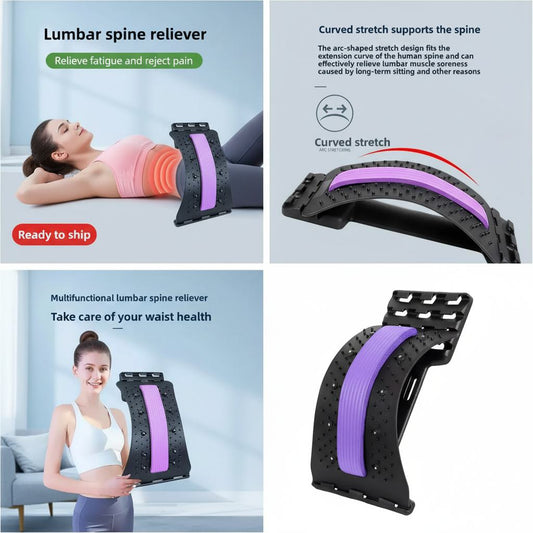
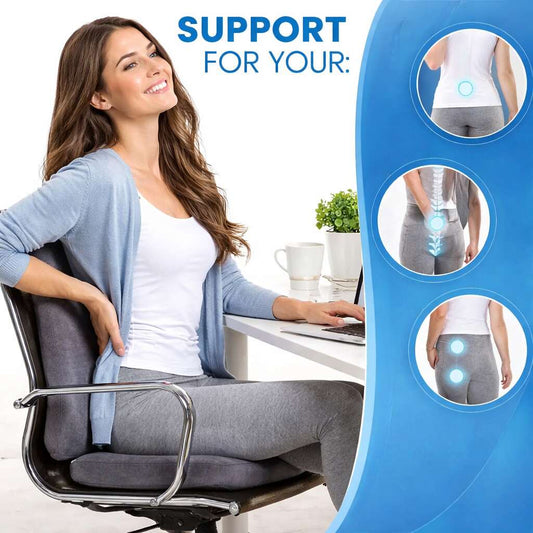
Lumbar Spine Stretching Massage Cushion for Back Support
Regular price $21Regular price$47Sale price $21Sale -
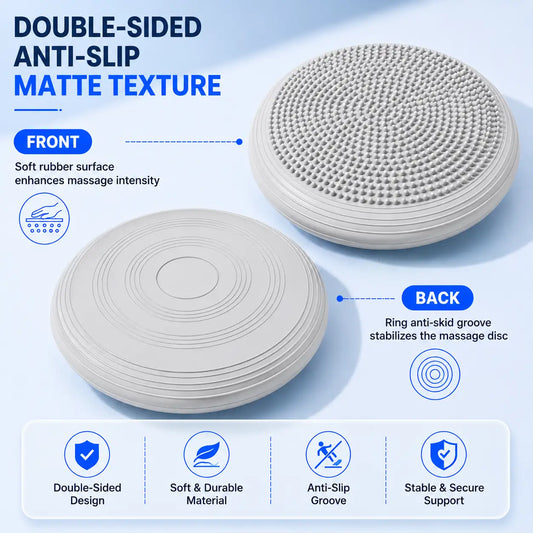
Yoga Balance Cushion for Stability, Balance & Core Training
Regular price $19.85Regular price$45Sale price $19.85Sale -
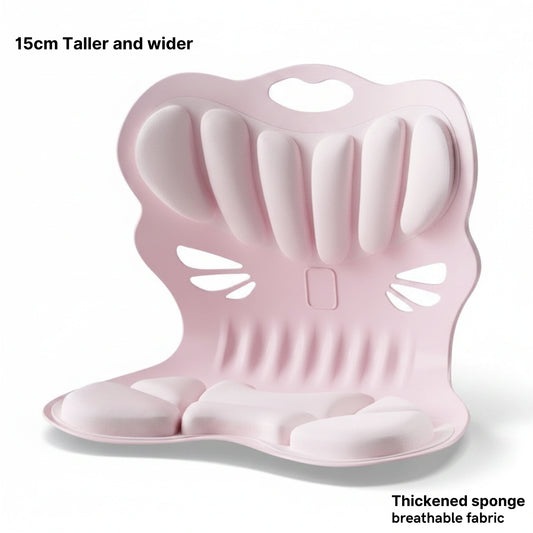
Posture Correction Memory Foam Lumbar Cushion for Back Pain
Regular price $110Regular priceSale price $110 -
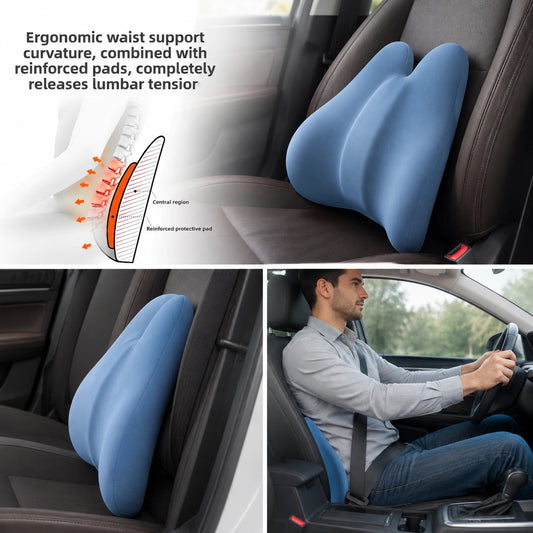
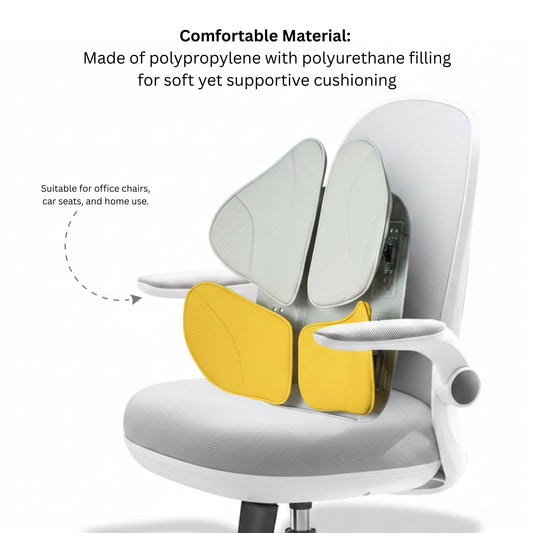
Adjustable Lumbar Support Cushion for Office Chair and Car
Regular price $80Regular price$179Sale price $80Sale -
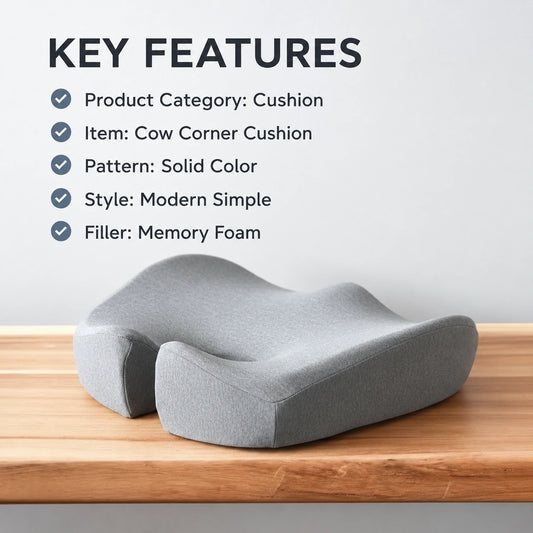
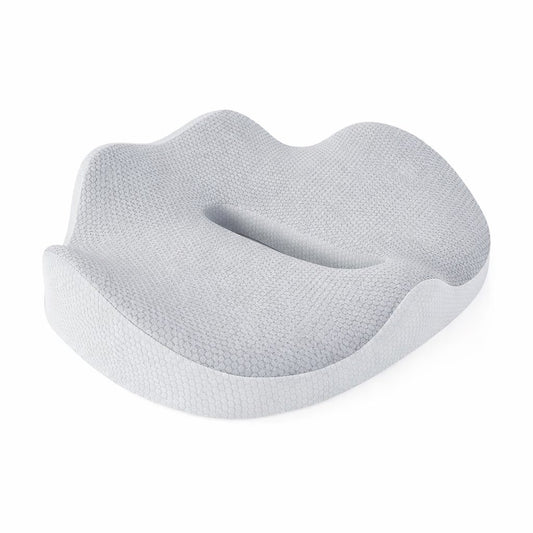
Memory Foam Seat Cushion for Hemorrhoid and Tailbone Relief
Regular price $21Regular priceSale price $21 -
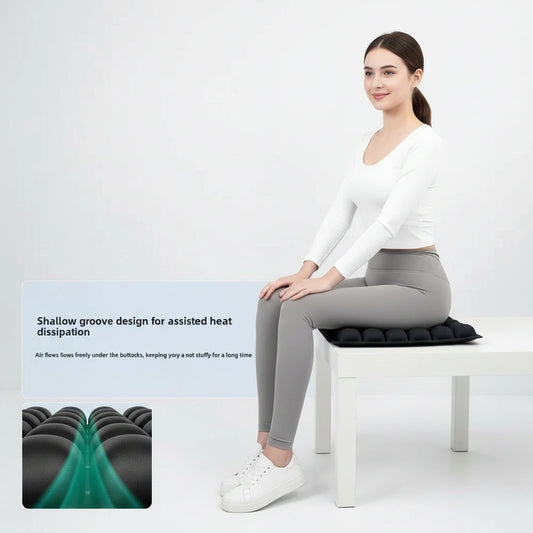
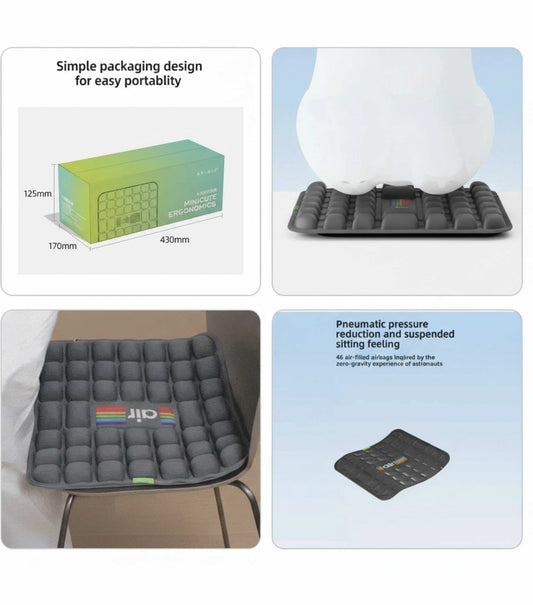
Air Pressure Relief Seat Cushion for Office Chair and Car
Regular price $29Regular price$69Sale price $29Sale -
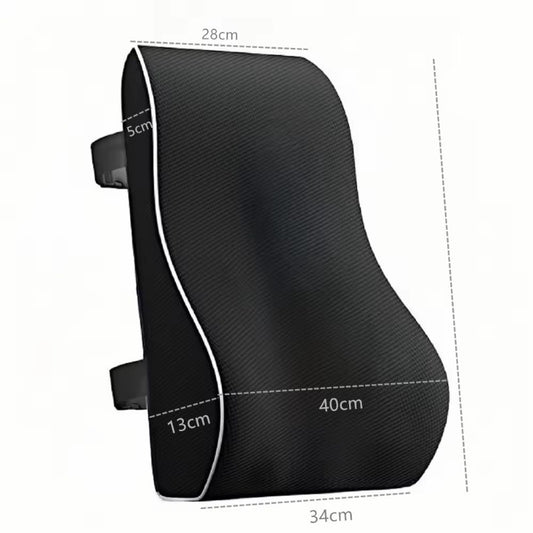
Foam Lumbar Support Cushion for Office Chair and Back Relief
Regular price $31Regular price$79Sale price $31Sale -
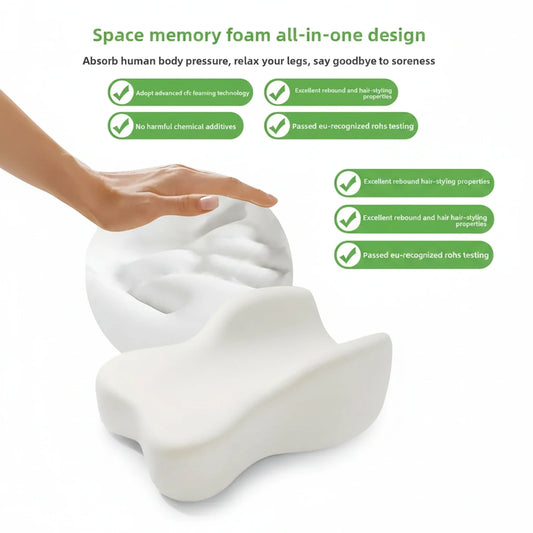
Leg Support Cushion and Split-Leg Pillow for Sleep Comfort
Regular price $43Regular price$89Sale price $43Sale -
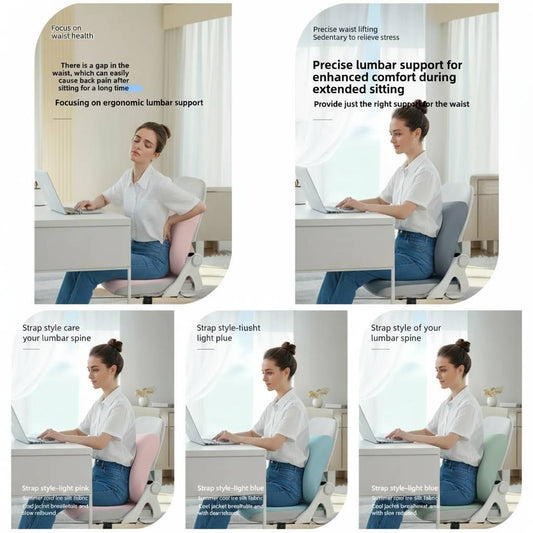
Lumbar Support Cushion for Lower Back Pain Relief and Posture
Regular price $123Regular price$259Sale price $123Sale -
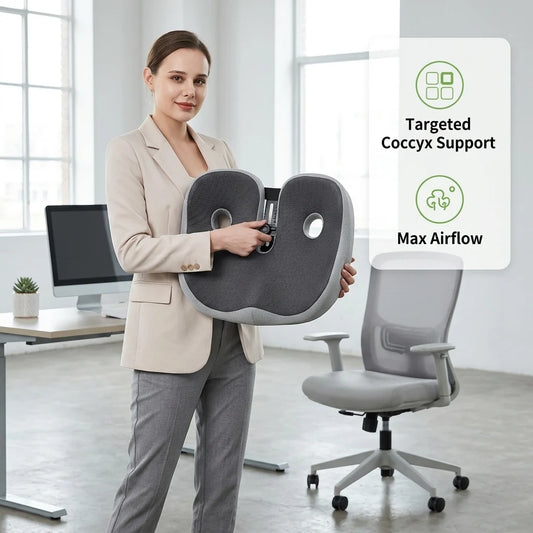
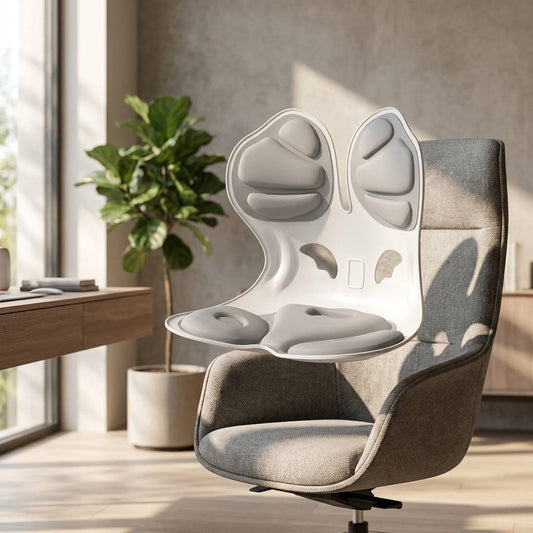
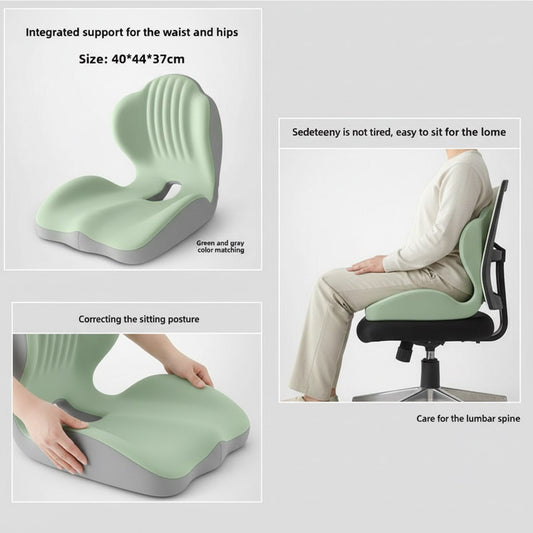
Ergonomic Office Seat Cushion for Posture and Hip Support
Regular price $78Regular price$159Sale price $78Sale -
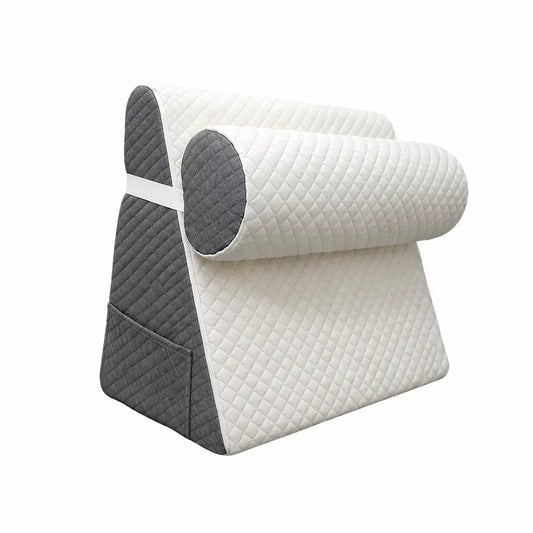
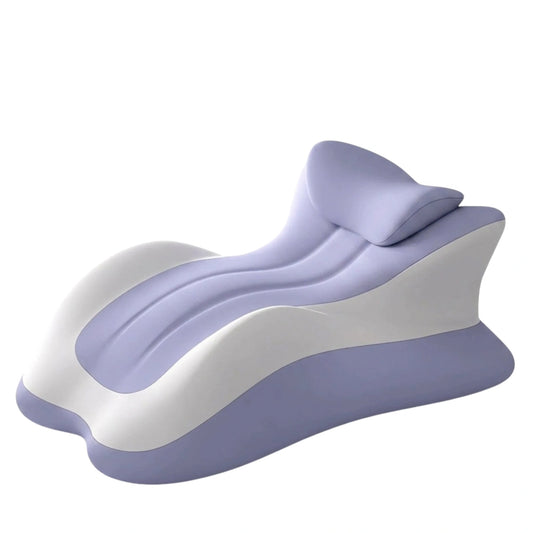
Wedge Support Pillow for Acid Reflux, Sleep & Back Comfort
Regular price $43Regular price$95Sale price $43Sale -
Ergonomic Memory Foam Car Cushion for Office and Travel Use
Regular price $23Regular price$55Sale price $23Sale -
Memory Foam Seat Cushion for Office Chair Back Pain Relief
Regular price $27Regular price$79Sale price $27Sale -
Memory Foam Lumbar Cushion for Office Chair and Car Seat
Regular price $21Regular price$59Sale price $21Sale -
Memory Foam Seat Cushion for All-Day Comfort and Support
Regular price $25Regular price$54Sale price $25Sale -
Airbag Massage Cushion for Soothing Full Body Relaxation
Regular price $266Regular price$529Sale price $266Sale -
Multifunctional Cushion Back Support, Comfort & Everyday Use
Regular price $36Regular price$79Sale price $36Sale -
Memory Foam Seat Cushion for Tailbone and Back Pain Relief
Regular price $40Regular price$83Sale price $40Sale -
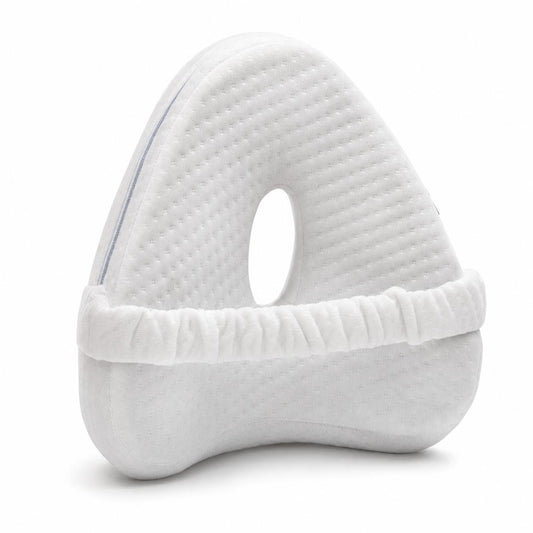
Memory Foam Knee Pillow for Side Sleepers and Leg Comfort
Regular price $13Regular price$30Sale price $13Sale -
Ergonomic Memory Foam Office Cushion for Back Pain Relief
Regular price $59Regular price$123Sale price $59Sale -
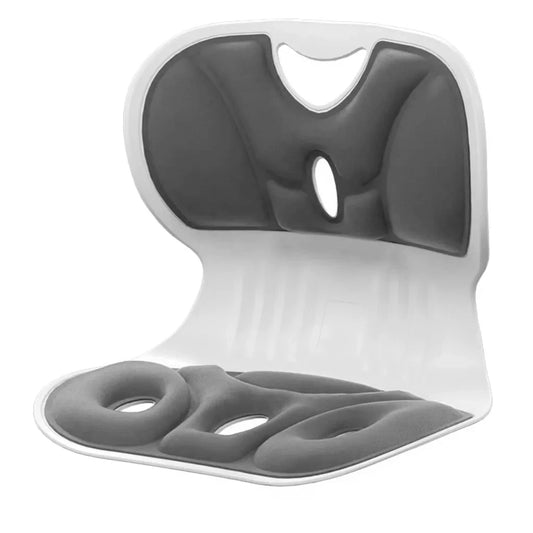
Ergonomic Posture Correction Chair Cushion for Office Use
Regular price $114Regular price$231Sale price $114Sale -
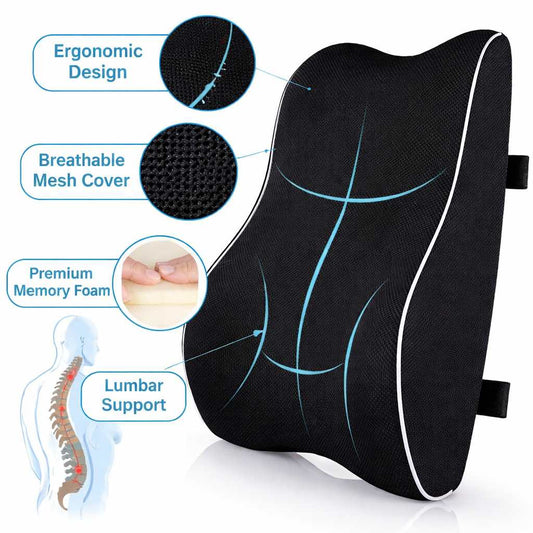
Memory Foam Back Cushion with Lumbar Support for Office Chair
Regular price $50Regular price$104Sale price $50Sale -
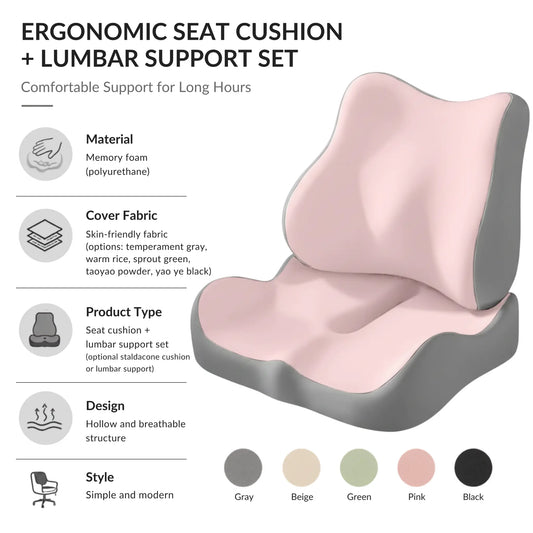
Ergonomic Memory Foam Seat Cushion with Lumbar Back Support
Regular price $31Regular price$65Sale price $31Sale
Cushions provide everyday comfort and support for sitting, relaxing, working, or traveling. Explore practical options designed for chairs, couches, beds, vehicles, and outdoor spaces. With different shapes, materials, and firmness levels available, the right cushion can help create a more comfortable and inviting setup.
Shop Cushions for Comfortable Everyday Support
Cushions can make everyday seating feel more comfortable at home, in the office, inside a vehicle, or while traveling. Available in different shapes, fillings, firmness levels, and sizes, the right cushion should complement your seat, fit your body comfortably, and suit how long and where you plan to use it.
Find Cushions for Every Routine
Different activities require different types of cushioning. A compact car seat cushion may prioritize portability, while an office chair cushion may need a nonslip base and enough support for extended sitting.
Cushions May Be Used For:
-
Office and desk chairs
-
Dining chairs
-
Couches and armchairs
-
Car and truck seats
-
Wheelchairs and mobility seating
-
Airplane and travel seats
-
Patio furniture
-
Floor seating
-
Reading and meditation spaces
Always confirm that a cushion is appropriate for the intended seat and does not interfere with controls, restraints, or safe operation.
Seat Cushions for Office Chairs
Office chair cushions add a padded layer to desk seating. They are available in flat, contoured, wedge-shaped, and cutout designs to accommodate different comfort preferences.
Features to Consider
-
Memory foam or supportive foam
-
Breathable cover material
-
Nonslip bottom
-
Adjustable securing strap
-
Removable, washable cover
-
Carry handle
-
Dimensions that fit the chair
-
Firmness suited to your preference
A cushion adds height to the seat, so check that your feet can remain supported and your desk, armrests, and monitor can still be adjusted comfortably.
Car Seat Cushions for Driving
Car seat cushions can add comfort during commutes, road trips, or work-related driving. Choose a low-profile design that fits securely without changing your driving position too dramatically.
A car cushion should not:
-
Interfere with seat belts
-
Cover seat-mounted airbags
-
Block adjustment controls
-
Disrupt passenger sensors
-
Slide beneath the driver
-
Prevent comfortable access to the pedals
Check the vehicle owner’s manual before adding any aftermarket seating accessory.
Memory Foam Cushions
Memory foam responds to body heat and pressure, allowing it to conform gradually to the user’s shape. Foam density, thickness, and construction influence how soft or firm the cushion feels.
Memory Foam May Suit Shoppers Who Prefer:
-
Contoured seating
-
Slow-response cushioning
-
A close-fitting feel
-
Evenly distributed padding
-
A cushion that returns gradually to its shape
Memory foam may feel firmer in cooler rooms and softer in warmer conditions.
Gel Cushions for Breathable Comfort
Gel cushions are available in solid, layered, and honeycomb-style constructions. Some combine gel with foam to balance cushioning and structure.
Open-grid designs may encourage airflow, but comfort depends on the cushion’s thickness, material, cover, and the seat underneath. Review the weight capacity and use instructions before purchasing.
Compare Popular Cushion Types
|
Cushion Type |
Common Use |
Features to Consider |
|
Memory foam cushion |
Office, home, and travel |
Density, contour, and washable cover |
|
Gel cushion |
Long sitting and warm environments |
Ventilation, thickness, and durability |
|
Foam chair pad |
Dining and everyday seating |
Firmness, ties, and seat dimensions |
|
Lumbar cushion |
Office chairs, cars, and couches |
Curve, height, and securing strap |
|
Floor cushion |
Reading and casual seating |
Size, filling, and floor clearance |
|
Outdoor cushion |
Patio and garden furniture |
Water resistance and UV resistance |
|
Inflatable cushion |
Travel and temporary seating |
Air control, portability, and valve quality |
Choose the Right Shape
Cushion shape affects how it fits the seat and feels during use.
Common Cushion Shapes
-
Square or rectangular: Suitable for many chairs and benches
-
Contoured: Designed to follow the shape of the seated body
-
Wedge-shaped: Changes the angle of the seating surface
-
U-shaped or cutout: Reduces direct contact in a specific rear area
-
Round: Common for stools, floor seating, and meditation
-
Lumbar-shaped: Designed to sit against the lower back
-
Bolster: Useful for positioning or decorative support
No single shape works best for everyone. Choose according to your seat dimensions, body size, and comfort preferences.
Understand Cushion Firmness
Soft cushions provide a plush feel but may compress considerably. Firmer cushions generally maintain more structure, though some users may find them less comfortable initially.
|
Firmness |
General Feel |
Important Consideration |
|
Soft |
Plush with greater compression |
May provide less structure |
|
Medium |
Balanced cushioning and support |
Versatile for many routines |
|
Firm |
More structured with less sinking |
May require an adjustment period |
Product descriptions use firmness terms differently, so check the material, thickness, foam density, and customer guidance when available.
Measure Before Buying
A properly sized cushion should rest securely on the seating surface without hanging over the edges or interfering with armrests and controls.
-
Measure the seat’s width.
-
Measure from the front edge to the backrest.
-
Check the available height beneath armrests.
-
Note any curved or angled edges.
-
Compare measurements with the product size chart.
-
Consider how much height the cushion will add.
For portable cushions, also check the product’s weight and folded or packed dimensions.
Look for Easy-Care Features
A removable cushion cover can simplify routine cleaning. Look for a concealed zipper, clear washing instructions, and durable fabric suited to regular contact.
Why Choosing the Right Cushion Matters
The right cushion can make a chair, couch, vehicle seat, bench, or floor-seating area feel more comfortable and practical. Size, shape, firmness, filling, and intended use all affect the experience. A poorly matched cushion may slide, compress excessively, add too much height, or interfere with natural movement.
Cushion Size Affects Stability and Comfort
A cushion should fit within the usable seating area without hanging over the edges or pressing against armrests. A product that is too small may shift during use, while an oversized cushion may bunch or feel unstable.
Measure the Seat Before Ordering
-
Measure the seat from side to side.
-
Measure from the front edge to the backrest.
-
Check the space between armrests.
-
Note curved, tapered, or angled edges.
-
Measure the available clearance beneath a desk or table.
-
Compare every measurement with the product size chart.
For car seat cushions, verify that the size does not obstruct seat controls, buckles, airbags, or safe access to the pedals.
Cushion Shape Influences Positioning
Different cushion shapes provide different seating experiences. Select a design that complements the chair and feels comfortable for your routine.
|
Cushion Shape |
Typical Use |
What to Consider |
|
Square |
Dining chairs, benches, and stools |
Seat width and corner shape |
|
Rectangular |
Office chairs, couches, and vehicles |
Depth and backrest clearance |
|
Contoured |
Desk chairs and travel seats |
Body fit and center contour |
|
Wedge |
Selected work and vehicle seating |
Added height and seating angle |
|
U-shaped or cutout |
Targeted seating comfort |
Cutout size and placement |
|
Round |
Floor seating and stools |
Diameter and filling distribution |
|
Lumbar-shaped |
Chairs, couches, and vehicle seats |
Backrest curve and strap position |
Firmness Determines the Seating Feel
Cushion firmness affects how much the surface compresses when used. Personal preference, body weight, cushion thickness, and sitting duration can all influence which option feels comfortable.
Soft Cushions
Soft cushions create a plush feeling but may compress more deeply. They can work well for casual relaxation or as an additional layer over firm furniture.
Medium-Firm Cushions
Medium-firm designs balance softness with structure and may suit a variety of everyday seating situations.
Firm Cushions
Firm cushions generally compress less and maintain more structure. However, a cushion that feels overly hard may not suit every user or activity.
Filling Material Changes Performance
The cushion filling influences responsiveness, breathability, weight, and durability.
|
Cushion Filling |
General Characteristics |
|
Memory foam |
Conforms gradually to pressure and body warmth |
|
Polyurethane foam |
Available in multiple firmness and density levels |
|
Gel |
Often used for a flexible or ventilated seating surface |
|
Gel and foam |
Combines gel with a structured foam base |
|
Polyester fiber |
Soft, lightweight, and commonly used for decorative cushions |
|
Shredded foam |
Adjustable feel with a less uniform surface |
|
Inflatable core |
Portable with user-controlled air firmness |
|
Natural fiber |
Texture and firmness vary by the material used |
Higher thickness does not automatically mean greater comfort. Density, construction, and how the material behaves under weight also matter.
The Right Cushion Supports a Better Seating Setup
A seat cushion changes how high you sit. This can affect foot placement, desk clearance, armrest alignment, and how easily you reach a steering wheel or work surface.
Check Your Position After Adding a Cushion
-
Keep your feet comfortably supported.
-
Make sure the seat does not press behind your knees.
-
Adjust the chair height when possible.
-
Confirm that armrests remain usable.
-
Reposition your keyboard and monitor if necessary.
-
Avoid sitting in one position for extended periods.
A cushion should complement an adjustable seating setup, not compensate for a chair that is broken or unsuitable.
Fabric and Breathability Matter
The outer cover affects skin comfort, airflow, grip, and ease of cleaning. Breathable mesh may suit warmer environments, while soft woven fabrics can create a comfortable indoor feel.
Look for:
-
Breathable construction
-
Moisture-managing fabric
-
Smooth seams
-
Nonslip backing
-
Removable covers
-
Concealed zippers
-
Machine-washable materials
Always follow the care label, especially for foam, gel, or coated components.
Match the Cushion to Its Intended Use
Office Cushions
Office chair cushions should fit beneath the armrests and leave enough room for comfortable movement. Nonslip bases and washable covers are useful for regular use.
Car Seat Cushions
Vehicle cushions should remain secure and must not interfere with airbags, seat belts, sensors, controls, or driving access. Review the vehicle owner’s manual before installation.
Outdoor Cushions
Outdoor cushions may require water-resistant fabric, UV resistance, durable ties, and quick-drying construction. Store them in a dry area during severe weather unless the manufacturer states otherwise.
Floor Cushions
Floor cushions should provide enough thickness for the intended surface. Consider size, portability, cover durability, and whether the filling can be redistributed.
Easy Maintenance Supports Regular Use
A removable, washable cover can simplify cleaning after daily use. Some cushions allow spot cleaning only, while others include machine-washable outer covers.
Never machine-wash foam or gel inserts unless the manufacturer specifically permits it. Make sure every component is completely dry before reassembly.
Choose a Cushion for Your Individual Needs
The best cushion is one that fits the seat, provides a comfortable firmness, stays securely positioned, and works with your daily routine. Compare dimensions, filling, thickness, cover material, and care requirements before purchasing.
Explore Different Types of Cushions for Every Space
Cushions can add comfort, support, color, and practical functionality to nearly any space. From memory foam seat cushions for office chairs to weather-resistant patio cushions, choosing the right type depends on the seating surface, environment, available space, and how the cushion will be used.
Office Chair Cushions for Workspaces
Office chair cushions add an extra layer between the user and the chair. They are available in flat, contoured, wedge-shaped, and cutout designs for different seating preferences.
Useful Office Cushion Features
-
Memory foam or supportive foam
-
Breathable outer fabric
-
Nonslip base
-
Adjustable securing strap
-
Removable, washable cover
-
Portable carrying handle
-
Dimensions suited to the chair
Because a cushion raises the seating position, you may need to adjust the chair, armrests, keyboard, or monitor after adding one.
Dining Chair Cushions
Dining chair cushions add softness to wood, metal, or firm upholstered seating. Square, trapezoid, round, and U-shaped designs are available for different chair styles.
Look for cushions with ties, nonslip backing, or hook-and-loop fasteners to help keep them in place. Measure the seat at its widest and deepest points before selecting a size.
Couch and Decorative Cushions
Decorative cushions can add color, texture, and comfort to couches, beds, armchairs, and benches. They are available with polyester fiber, down-alternative, shredded foam, and other fillings.
Styling Ideas for Decorative Cushions
-
Combine solid colors with subtle patterns.
-
Mix square and lumbar shapes.
-
Use complementary rather than identical colors.
-
Add textured fabrics for visual depth.
-
Choose removable covers for easier cleaning.
Decorative cushions should remain appropriately sized so they do not reduce the usable seating area excessively.
Lumbar Cushions for Chairs and Couches
Lumbar cushions are shaped to sit between the lower back and backrest. They may be used on office chairs, couches, recliners, vehicle seats, or travel seating.
Choose a design that fits the backrest’s height and curve. Adjustable straps can help with positioning, but they must remain compatible with the chair or vehicle seat.
Car Seat Cushions for Driving
Car seat cushions can add padding during daily commutes, professional driving, and road trips. Low-profile options may fit better because thick cushions can change the driver’s height and distance from the controls.
A vehicle cushion must not:
-
Cover seat-mounted airbags
-
Obstruct seat belts or buckles
-
Interfere with occupancy sensors
-
Block heating or ventilation systems
-
Slide beneath the driver
-
Affect safe access to the pedals
Review the vehicle owner’s manual before adding any aftermarket seat cushion.
Floor Cushions for Flexible Seating
Floor cushions create casual seating for reading rooms, meditation spaces, play areas, dorm rooms, and small apartments. Common options include round meditation cushions, square floor pillows, poufs, and foldable cushions.
Consider These Floor-Cushion Features
-
Adequate thickness for the flooring
-
Durable outer fabric
-
Removable cover
-
Portable handle
-
Evenly distributed filling
-
Nonslip bottom
-
Stackable construction
Floor cushions should be placed on a stable, clean surface away from walkways where they could become a tripping hazard.
Outdoor Cushions for Patios
Outdoor cushions are made for patio chairs, benches, loungers, swings, and garden furniture. They often use materials intended to resist moisture, fading, and outdoor exposure.
|
Outdoor Feature |
Why It Matters |
|
Water-resistant fabric |
Helps repel light moisture |
|
UV-resistant material |
Helps limit fading from sunlight |
|
Secure ties |
Keeps cushions positioned on furniture |
|
Removable cover |
Simplifies cleaning |
|
Quick-drying filling |
Helps manage occasional moisture |
|
Carry handle |
Makes seasonal storage easier |
Water-resistant does not necessarily mean waterproof. Store outdoor cushions in a dry place during heavy rain, snow, and extended periods of nonuse unless the manufacturer states otherwise.
Bench and Window-Seat Cushions
Bench cushions are long, rectangular pads designed for entryway benches, breakfast nooks, window seats, and outdoor seating. Accurate measurements are especially important because even a small difference can affect the fit.
Measure:
-
The full seating width
-
The front-to-back depth
-
The desired cushion thickness
-
Any tapered or rounded corners
-
Clearance near walls, doors, or cabinets
Ties, nonslip backing, or hook-and-loop strips can help keep long cushions in position.
Travel Cushions for Portable Comfort
Portable cushions can be used on airplanes, trains, stadium seats, hotel chairs, or other temporary seating. Inflatable and foldable designs take up less luggage space, while foam cushions may provide a more consistent feel.
Seat Cushions for Office Chairs and Long Sitting
Seat cushions for office chairs can add a comfortable layer to firm, worn, or minimally padded seating. Available in memory foam, gel, contoured, and wedge-shaped designs, office chair cushions should fit the seat securely without creating excessive height or interfering with a comfortable workstation setup.
Why Use an Office Chair Cushion?
Desk work often involves sitting for extended periods. A properly selected cushion may improve how the seat feels and distribute contact across a broader surface. However, it should complement a suitable chair and adjustable workstation rather than serve as a treatment for pain or replace regular movement.
An Office Seat Cushion May Provide:
-
Additional padding on firm chairs
-
A more comfortable seating surface
-
Extra height for selected workstations
-
A portable option for shared offices
-
A removable, washable surface
-
Greater comfort during work or study
Results vary based on the cushion, chair, body size, sitting habits, and workstation arrangement.
Compare Popular Seat Cushion Materials
Different cushion materials provide different levels of firmness, responsiveness, airflow, and portability.
|
Cushion Material |
General Feel |
Features to Consider |
|
Memory foam |
Contoured and slow responding |
Density, thickness, and temperature sensitivity |
|
Polyurethane foam |
Available in soft to firm options |
Resilience and long-term shape retention |
|
Gel |
Flexible and often ventilated |
Thickness, grid strength, and cover design |
|
Gel and foam |
Combines cushioning with structure |
Layer construction and overall height |
|
Inflatable |
Adjustable and lightweight |
Valve quality and air retention |
|
Polyester fiber |
Soft and plush |
Compression and filling distribution |
The best seat cushion for long sitting depends on personal comfort, seat dimensions, and preferred firmness.
Choose a Shape That Fits Your Chair
Flat Seat Cushions
Flat cushions add relatively even padding across the chair. They may work well when the seat shape is already comfortable but lacks softness.
Contoured Seat Cushions
Contoured designs include raised and recessed areas intended to follow the body’s seated shape. Confirm that the contour dimensions align comfortably with your body.
U-Shaped Cushions
U-shaped or rear-cutout cushions reduce direct contact with a specific area near the back of the seat. Cutout width, depth, and placement vary significantly between products.
Wedge Cushions
Wedge cushions are thicker at one edge and change the seating angle. Because they can alter body position and seat height, they should be tested carefully within the complete workstation setup.
Select the Right Firmness
A soft cushion may feel plush initially but can compress significantly during extended sitting. A firmer cushion generally maintains more structure but may feel less comfortable to some users.
Consider These Factors
-
Body weight
-
Sitting duration
-
Existing chair padding
-
Desired amount of sink
-
Cushion thickness
-
Foam density
-
Personal sensitivity to pressure
Terms such as “soft,” “medium,” and “firm” are not standardized, so review detailed product specifications when available.
Measure Your Office Chair
A cushion should rest fully on the usable seating area without overlapping the edges or pressing against the chair’s arms.
-
Measure the seat from side to side.
-
Measure from the front edge to the backrest.
-
Check the distance between the armrests.
-
Note whether the front edge is straight or rounded.
-
Measure how much height can be added comfortably.
-
Compare the measurements with the product size chart.
Avoid selecting an office chair cushion based only on labels such as standard, large, or extra-large.
Check Your Workstation After Adding a Cushion
A seat cushion changes your sitting height and may affect the rest of your workstation. After placing the cushion, reassess the chair, desk, monitor, keyboard, and foot position.
Review Your Setup
-
Keep your feet supported by the floor or a stable footrest.
-
Avoid excessive pressure behind the knees.
-
Keep the keyboard and mouse within comfortable reach.
-
Adjust the monitor to a comfortable viewing position.
-
Confirm that armrests still support the arms without pushing the shoulders upward.
-
Make sure the backrest remains usable.
If the cushion makes the chair too high, too shallow, or unstable, it may not be suitable for that workstation.
Look for Secure Placement
A cushion that shifts during use can become distracting and require frequent adjustment.
Helpful stability features include:
-
Nonslip bottom material
-
Adjustable straps
-
Textured backing
-
A shape that matches the chair
-
Sufficient surface area
-
Secure cover construction
Check straps periodically and avoid attaching them to moving mechanisms or adjustment controls.
Choose Breathable, Easy-Care Covers
A removable cover makes regular cleaning easier, especially in shared offices or warm environments. Mesh and breathable woven fabrics may help reduce heat buildup, while smooth materials can simplify spot cleaning.
Look for:
-
Concealed zippers
-
Machine-washable fabric
-
Reinforced seams
-
Breathable panels
-
Moisture-managing material
-
Clear care instructions
Do not machine-wash foam or gel inserts unless the manufacturer specifically allows it.
Combine Cushioned Seating With Regular Movement
No cushion eliminates the effects of remaining in one position for long periods. Change positions periodically and include brief standing, walking, or stretching opportunities throughout the workday when possible.
A sit-stand desk or adjustable workstation may also provide more flexibility, but it should be configured correctly for both sitting and standing.
When to Seek Professional Guidance
An office chair cushion may improve everyday comfort, but it is not a medical treatment. Speak with a qualified healthcare professional if sitting causes persistent pain, numbness, tingling, weakness, or symptoms that worsen over time.
People using wheelchairs or managing reduced sensation, pressure-injury risk, or mobility conditions should obtain individualized seating guidance.
Memory Foam Cushions for Contoured Comfort
Memory foam cushions respond gradually to body heat and pressure, creating a close-fitting seating surface. They are available for office chairs, cars, couches, dining seats, wheelchairs, and travel. The right cushion should match the seat dimensions, provide comfortable firmness, and remain stable throughout use.
How Memory Foam Cushions Work
Memory foam is a type of polyurethane foam with viscoelastic properties. It compresses under weight and slowly returns to its original shape after the pressure is removed.
The feel of a memory foam cushion depends on several factors:
-
Foam density
-
Cushion thickness
-
Room temperature
-
Body weight
-
Contour design
-
Base support
-
Time spent sitting
Memory foam often feels firmer in cooler conditions and softer as it warms.
Benefits of Contoured Memory Foam Cushions
Contoured cushions include raised, recessed, curved, or cutout areas designed to follow the body’s seated shape. They can provide a more personalized feel than completely flat chair pads.
Potential Comfort Features
-
Slow-response cushioning
-
A close-fitting seated feel
-
Structured edges
-
Targeted contours
-
Evenly distributed padding
-
Added softness for firm chairs
-
Portable support across different seats
A contour that suits one person may feel uncomfortable to another, so consider the cushion’s dimensions and shape carefully.
Memory Foam Cushions for Office Chairs
A memory foam seat cushion can add padding to a desk chair during work, study, or gaming. Look for a design that fits completely within the chair’s usable seating area.
Helpful Office Features
-
Nonslip base
-
Adjustable securing strap
-
Breathable cover
-
Removable, washable fabric
-
Carrying handle
-
Rounded front edge
-
Appropriate thickness
Adding a cushion raises the sitting position. Recheck chair height, foot support, armrests, desk clearance, keyboard placement, and monitor position after installation.
Memory Foam Car Seat Cushions
Memory foam cushions may be used during commuting, road trips, or professional driving, provided they do not interfere with safe vehicle operation.
Before using a car seat cushion, confirm that it does not:
-
Obstruct seat belts or buckles
-
Cover seat-mounted airbags
-
Interfere with passenger sensors
-
Block heating or ventilation
-
Restrict seat-adjustment controls
-
Slide beneath the driver
-
Affect safe access to the pedals
Review the vehicle owner’s manual before installing an aftermarket seating accessory.
Compare Memory Foam Cushion Shapes
|
Cushion Shape |
General Design |
Common Application |
|
Flat |
Even thickness across the surface |
Dining chairs and general seating |
|
Contoured |
Shaped raised and recessed areas |
Office chairs and home seating |
|
U-shaped |
Rear cutout with structured sides |
Selected desk and travel seats |
|
Wedge |
Angled from one edge to the other |
Workstations and selected vehicle seats |
|
Lumbar |
Curved for placement against a backrest |
Office chairs, couches, and cars |
|
Donut-shaped |
Central opening or recessed center |
Specialized seating preferences |
|
Foldable |
Multiple connected foam sections |
Travel and portable use |
Specialized shapes should not be treated as medical devices unless the product is specifically labeled and recommended for that purpose.
Understand Foam Density and Firmness
Density refers to how much foam material is contained within a given volume. It influences the cushion’s weight, response, and durability but does not directly indicate whether the cushion will feel soft or firm.
|
Factor |
What It Influences |
|
Density |
Weight, resilience, and durability |
|
Firmness |
Initial resistance and seated feel |
|
Thickness |
Added height and amount of cushioning |
|
Contour depth |
How strongly the shape guides positioning |
|
Base layer |
Stability and structural support |
|
Temperature |
How quickly the foam softens |
Because terms such as soft, medium, and firm are not standardized, review product specifications and user guidance when available.
Choose the Right Cushion Thickness
A thicker cushion may provide more material between the user and chair, but it also increases seat height. Excessive height can reduce foot support, place pressure behind the knees, or affect desk and armrest alignment.
Measure the available space and consider how the added height will affect:
-
Foot contact with the floor
-
Knee position
-
Desk clearance
-
Armrest height
-
Backrest contact
-
Vehicle visibility and controls
Look for Breathable Cover Materials
Memory foam can retain warmth, so the outer cover plays an important role in everyday comfort. Mesh panels, ventilated fabric, and moisture-managing materials may improve airflow around the surface.
Useful cover features include:
-
Removable construction
-
Concealed zipper
-
Breathable fabric
-
Reinforced stitching
-
Nonslip backing
-
Machine-washable material
-
Clearly stated care instructions
Care for Memory Foam Correctly
Most memory foam inserts should not be placed in a washing machine or dryer. Water saturation, agitation, and high heat can damage the foam structure.
General Care Steps
-
Remove and wash the outer cover according to its label.
-
Spot-clean the foam with a lightly damp cloth when permitted.
-
Avoid soaking or twisting the insert.
-
Let the foam air-dry completely.
-
Keep it away from direct heat and open flames.
-
Reassemble only after every component is dry.
Always follow the manufacturer’s instructions because foam formulations and covers vary.
Allow New Foam to Expand and Air Out
Some memory foam cushions arrive compressed for shipping. Place the cushion in a well-ventilated area and allow it to expand for the period stated in the instructions.
A temporary “new foam” odor may occur after unpacking. Stop using the product and contact the seller if an odor is severe, causes irritation, or does not fade as expected.
Choose Memory Foam Cushions With Confidence
The best memory foam cushions balance contoured comfort, suitable firmness, accurate sizing, stable placement, and easy-care covers. Compare the foam construction, dimensions, thickness, contour, cover material, and intended use before buying.
FAQs
How to clean outdoor cushions?
Brush away loose debris, spot-clean with mild soap and water, rinse if permitted, and let the cushions dry completely according to the care label.
How do I clean couch cushions?
Check the cleaning code and care label, vacuum the cushions, spot-test a suitable cleaner, and avoid soaking foam inserts unless specifically allowed.
How to clean couch cushions?
Remove loose dirt with a vacuum, treat stains gently using the approved cleaning method, and allow every cushion component to dry fully before use.
How to clean patio cushions?
Vacuum or brush patio cushions, clean them with a mild solution approved for the fabric, rinse when permitted, and air-dry them thoroughly.
How to wash couch cushion covers?
Remove and close the covers, follow the care label for water temperature and cycle, and reinstall them only after they are completely dry.