Orthotics
-
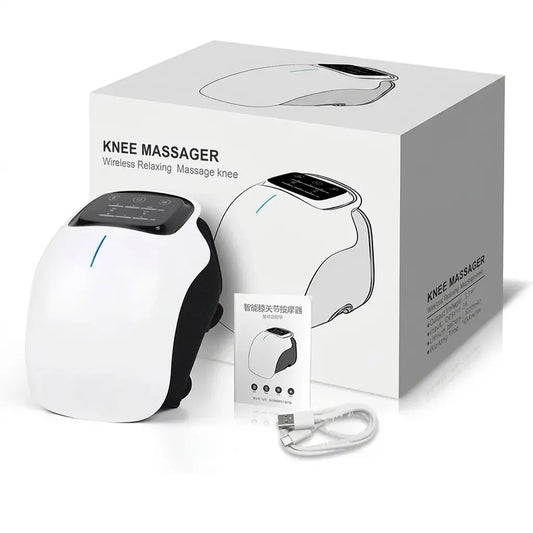
Knee Cover Massager with Heated Vibration for Joint Comfort
Regular price $39Regular price$81Sale price $39Sale -
Comfortable Orthotic Shoe Inserts for Daily Wear, Support
Regular price $13Regular price$29Sale price $13Sale -
Thumb Toe Correction Orthotic Device for Adjustable Support
Regular price $11Regular price$29Sale price $11Sale -
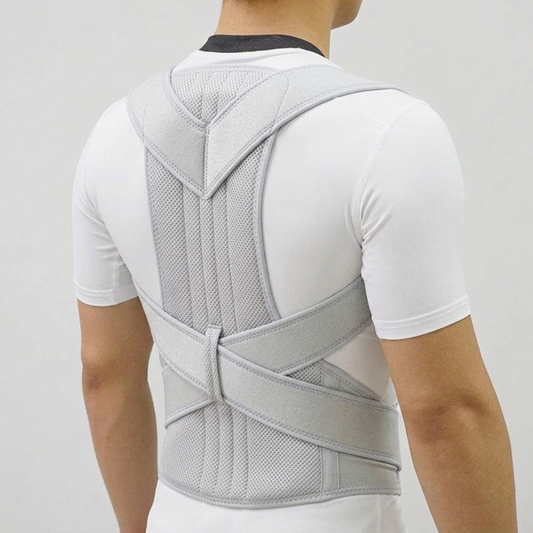
Spinal Orthotic Back Brace for Posture Support & Pain Relief
Regular price $11Regular price$29Sale price $11Sale -
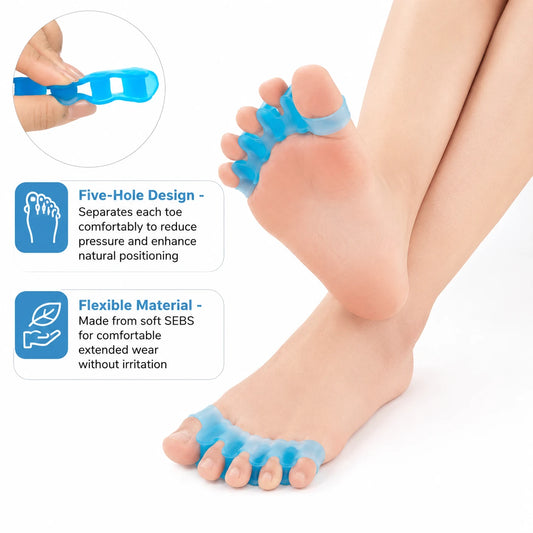
Five-Hole Toe Separator Orthotic for Bunion Relief & Comfort
Regular price $8Regular price$19Sale price $8Sale -
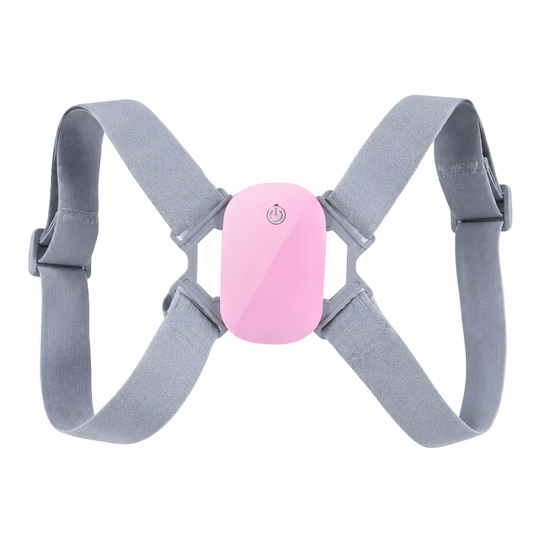
Smart Posture Corrector with LED Display for Back Support
Regular price $12Regular price$26Sale price $12Sale
Orthotics
Orthotics are custom-designed shoe inserts that provide support and correction to your feet and lower limbs. These specialized devices help alleviate pain, improve posture, and enhance overall comfort during daily activities. Whether you need arch support, heel correction, or pain relief, orthotics offer a non-invasive solution for various foot conditions.
What Are Orthotics?
Orthotics are supportive devices designed to improve the way your feet feel and function. They may be worn inside shoes or built into footwear to provide cushioning, support the arches, distribute pressure more evenly, and promote greater comfort while standing or walking.
Many people use orthotic insoles or shoe inserts when everyday footwear does not provide enough support. Depending on their design, orthotics may help with:
-
Supporting flat feet, high arches, or tired feet
-
Improving stability during everyday activities
-
Cushioning the heels and other pressure-sensitive areas
-
Reducing foot fatigue caused by prolonged standing or walking
-
Providing additional comfort for work, exercise, and daily wear
-
Encouraging more balanced foot positioning inside the shoe
Types of Orthotics
|
Type |
Description |
Common Use |
|
Cushioned Insoles |
Soft inserts that add padding inside footwear |
Everyday comfort and tired feet |
|
Arch Support Insoles |
Contoured inserts designed to support the foot’s natural arch |
Flat feet, high arches, and additional stability |
|
Heel Cups and Inserts |
Compact supports placed beneath or around the heel |
Heel cushioning and pressure relief |
|
Full-Length Orthotic Insoles |
Inserts that support the foot from heel to toe |
Walking, working, exercise, and all-day wear |
|
Custom Orthotics |
Prescription devices made for an individual’s foot structure |
Specific concerns evaluated by a qualified healthcare professional |
Over-the-counter orthotics offer a convenient option for shoppers seeking additional cushioning or arch support without replacing their favorite shoes. When choosing orthotics for men or women, consider your foot shape, footwear type, activity level, and the amount of support you prefer.
Orthotics are not one-size-fits-all medical solutions. Persistent foot pain, swelling, numbness, or difficulty walking should be evaluated by a podiatrist or another qualified healthcare professional.
Why Choose Orthotics for Your Feet?
Your feet support you through every step, whether you are commuting, exercising, running errands, or spending long hours at work. Orthotic insoles can provide added cushioning, arch support, and stability when standard shoe liners do not offer the comfort your feet need.
Orthotics are designed to support the natural shape of your feet and distribute pressure more evenly inside your shoes. With the right fit, they may help reduce everyday foot fatigue and make walking or standing feel more comfortable.
Benefits of Orthotic Insoles
-
Targeted arch support: Helps support flat feet, high arches, and different foot shapes.
-
Enhanced cushioning: Adds a comfortable layer beneath the heel and forefoot.
-
Improved stability: Helps your feet feel more secure during daily movement.
-
Balanced pressure: Distributes weight more evenly across the foot.
-
Everyday versatility: Suitable for many sneakers, walking shoes, work shoes, and casual footwear.
-
Convenient support: Over-the-counter shoe inserts provide an accessible alternative for shoppers who want additional comfort.
Who May Benefit from Orthotics?
Orthotic shoe inserts may be useful for:
-
People who stand or walk for extended periods
-
Workers who spend the day on hard surfaces
-
Walkers, runners, and active adults
-
Individuals seeking insoles for flat feet or high arches
-
Anyone wanting additional heel cushioning or arch support
-
Shoppers looking to improve the comfort of everyday footwear
Choosing the Right Orthotic Support
|
Your Need |
Feature to Consider |
|
Tired or aching feet |
Cushioned, shock-absorbing materials |
|
Flat feet |
Structured arch support |
|
High arches |
Contoured support with added cushioning |
|
Heel discomfort |
Deep heel cups or padded heel inserts |
|
Long hours of standing |
Full-length supportive insoles |
|
Athletic activity |
Flexible, breathable, and impact-absorbing designs |
The best orthotics for your feet should fit comfortably inside your shoes without making them feel overly tight. Consider your arch type, shoe style, activity level, and preferred level of firmness before choosing a pair.
Orthotic products are intended to provide general support and comfort. If you experience persistent pain, swelling, numbness, or difficulty walking, consult a podiatrist or another qualified healthcare professional.
Types of Orthotics and Their Uses
Orthotics come in different shapes, materials, and support levels to address a variety of everyday comfort needs. Some orthotic insoles cushion the entire foot, while others provide targeted support for the arches, heels, or forefoot.
Understanding the main types of orthotics can help you choose a suitable option for your footwear, daily routine, and preferred level of support.
Common Types of Orthotics
|
Type of Orthotic |
Primary Use |
Ideal For |
|
Full-Length Orthotic Insoles |
Support and cushion the foot from heel to toe |
Walking, working, exercise, and everyday footwear |
|
Arch Support Insoles |
Provide structured support beneath the foot’s natural arch |
Flat feet, high arches, and foot fatigue |
|
Cushioned Shoe Inserts |
Add softness and absorb everyday impact |
Hard surfaces, extended standing, and casual use |
|
Heel Cups and Heel Inserts |
Cushion the heel and help distribute pressure |
People seeking targeted heel comfort |
|
Three-Quarter-Length Orthotics |
Support the heel and arch without extending beneath the toes |
Dress shoes, loafers, and footwear with limited space |
|
Metatarsal Pads |
Cushion and support the ball of the foot |
Forefoot pressure and extended periods of walking |
|
Gel Insoles |
Provide flexible cushioning and shock absorption |
Work shoes, sneakers, and active lifestyles |
|
Custom Orthotics |
Offer individualized support based on a professional foot assessment |
Specific concerns evaluated by a podiatrist |
Rigid, Soft, and Semi-Rigid Orthotics
Orthotics can also be categorized by their level of firmness:
-
Rigid orthotics provide firm structural support and are often made from durable materials. Prescription versions should be selected with guidance from a qualified healthcare professional.
-
Soft orthotics focus on cushioning and pressure distribution. They may be helpful for people who want extra comfort while standing, walking, or working on hard floors.
-
Semi-rigid orthotics combine supportive structure with flexible cushioning, making them a practical choice for walking, fitness activities, and everyday use.
How to Choose the Right Orthotic Inserts
Before selecting shoe inserts for foot support, consider:
-
Your arch type: low, neutral, or high
-
Where you want support: heel, arch, forefoot, or full foot
-
Your main activity: work, walking, running, exercise, or casual wear
-
The amount of space available inside your shoes
-
Whether you prefer soft cushioning or firmer support
-
The length and width of the insert
-
Whether the insoles can be trimmed for a better fit
The right orthotics should sit securely inside your footwear without causing crowding, pinching, or uncomfortable pressure. Start with short periods of wear and gradually increase the time as your feet adjust.
How Orthotics Work – The Science Behind Pain Relief
Every step creates force that travels through your feet and lower body. When footwear lacks support or pressure becomes concentrated in certain areas, your feet may feel tired, sore, or uncomfortable. Orthotic insoles work by changing how pressure is distributed inside your shoes while providing cushioning and support where your feet need it most.
Depending on their design and fit, orthotics may help manage everyday discomfort through several basic biomechanical functions.
How Orthotic Insoles Support Your Feet
-
Redistributing Pressure
Contoured shoe inserts can spread pressure across a wider area of the foot. This may reduce concentrated stress beneath the heels, arches, or balls of the feet. -
Supporting the Arches
Arch support insoles help support the foot’s natural shape. This added structure may improve comfort for people with flat feet, high arches, or tired feet. -
Absorbing Impact
Cushioned foam and gel orthotics help absorb some of the impact generated by walking, running, or standing on hard surfaces. -
Improving Foot Stability
Deep heel cups and structured designs can help keep the foot more secure inside the shoe, encouraging steadier movement during everyday activities. -
Reducing Soft-Tissue Strain
By supporting the foot and distributing pressure, properly fitted orthotics may reduce stress on muscles, tendons, and ligaments during movement.
Orthotic Features and Their Functions
|
Orthotic Feature |
How It Works |
Potential Benefit |
|
Contoured Arch Support |
Supports the natural curve of the foot |
May improve support and reduce foot fatigue |
|
Deep Heel Cup |
Helps stabilize and cushion the heel |
May provide greater heel comfort |
|
Shock-Absorbing Cushioning |
Softens some of the impact from each step |
Useful for walking or standing on hard floors |
|
Metatarsal Pad |
Helps redistribute pressure across the forefoot |
May improve comfort beneath the ball of the foot |
|
Firm Support Base |
Adds structure beneath the foot |
May promote greater stability inside the shoe |
|
Full-Length Cushioning |
Supports the foot from heel to toe |
Provides everyday comfort across the entire foot |
Do Orthotics Provide Instant Pain Relief?
Results vary based on the cause of discomfort, product design, footwear, activity level, and individual foot structure. Some people notice improved comfort quickly, while others require an adjustment period.
For a more comfortable transition:
-
Begin by wearing new orthotic inserts for short periods
-
Gradually increase wear time over several days
-
Use shoes with enough depth and interior space
-
Make sure the inserts remain flat and secure
-
Stop using them if they cause new or worsening discomfort
The right orthotic insoles for foot support should feel comfortable without creating pinching, numbness, or excessive pressure. Explore Vendula Care’s range of arch support inserts, cushioned insoles, heel supports, and orthotic shoe inserts for work, walking, exercise, and everyday wear.
Custom Orthotics – Personalized Support Solutions
Every person’s feet, walking pattern, and support needs are different. Custom orthotics are individually designed shoe inserts created to match a person’s foot structure and address needs identified during a professional evaluation.
Unlike standard over-the-counter insoles, true custom-made orthotics are typically prescribed by a podiatrist or another qualified healthcare professional. They may be created using physical molds, foam impressions, pressure measurements, or digital foot scans.
How Custom Orthotics Are Made
The process generally includes:
-
Professional foot evaluation: A healthcare professional assesses the feet, walking pattern, symptoms, and relevant medical history.
-
Foot measurements or scans: A mold, impression, or digital scan records the shape and contours of each foot.
-
Personalized design: The device is designed with specific cushioning, support, materials, and corrections based on the assessment.
-
Professional fitting: The completed orthotics are checked inside the intended footwear.
-
Follow-up adjustments: Modifications may be made if pressure points or fit concerns develop.
Custom Orthotics vs. Over-the-Counter Insoles
|
Feature |
Custom Orthotics |
Over-the-Counter Orthotic Insoles |
|
Fit |
Made for an individual’s feet |
Available in standard sizes |
|
Assessment |
Requires professional evaluation |
Selected by the customer |
|
Customization |
Designed for specific support needs |
May be trim-to-fit or offer adjustable support |
|
Cost |
Typically more expensive |
Generally more affordable |
|
Availability |
Ordered through a qualified provider |
Conveniently purchased online or in stores |
|
Best Suited For |
Professionally evaluated foot concerns |
General cushioning, arch support, and daily comfort |
When to Consider Professional Custom Orthotics
A podiatrist may recommend personalized orthotic devices when:
-
Foot discomfort continues despite changing shoes or insoles
-
There is a significant difference between the feet
-
A diagnosed condition affects walking or foot alignment
-
Standard shoe inserts do not provide suitable support
-
An injury or structural concern requires individualized care
-
Diabetes, circulation problems, or reduced foot sensation is present
Everyday Support Without a Custom Prescription
Not everyone needs prescription custom orthotics. For general comfort, over-the-counter orthotic insoles can provide practical cushioning, arch support, heel stability, and pressure distribution.
When shopping for non-custom shoe inserts, consider:
-
Your arch type and preferred support level
-
Full-length or three-quarter-length coverage
-
Firm support versus soft cushioning
-
Heel cups or targeted forefoot padding
-
Shoe size, width, and available interior space
-
The activities and footwear for which they will be used
Explore Vendula Care’s selection of orthotic insoles, arch support inserts, heel cushions, and supportive shoe inserts for convenient everyday comfort. Always check each product description to understand its materials, sizing, support level, and intended use.
Orthotics for Plantar Fasciitis and Other Foot Conditions
Foot discomfort can make walking, working, exercising, and completing everyday activities more difficult. Orthotics for plantar fasciitis are designed to provide targeted arch support, heel cushioning, and improved foot stability—helping reduce pressure on sensitive areas and promote greater comfort throughout the day.
Vendula Care offers supportive orthotic insoles and foot-care solutions for a variety of common concerns, including:
-
Plantar fasciitis and heel discomfort
-
Flat feet and fallen arches
-
High arches
-
Overpronation
-
Tired or aching feet
-
Ball-of-foot pressure
-
Discomfort caused by prolonged standing or walking
Supportive features such as contoured arch support, cushioned heel areas, shock-absorbing materials, and deep heel cups may help distribute pressure more evenly across the foot. Depending on the product, these orthotic inserts can be worn in everyday shoes, work boots, walking shoes, or athletic footwear.
When choosing orthotics for foot pain, consider your arch type, footwear, daily activity level, and the area where you need the most support. Always check the individual product description for sizing, fit, materials, and recommended use.
Orthotic Shoes – Integrated Comfort and Support
Orthotic shoes combine supportive design features with everyday comfort to help you feel more stable and comfortable while walking, working, or running daily errands. Unlike standard footwear, these shoes may feature built-in arch support, cushioned footbeds, supportive heel areas, and roomy toe boxes for a more accommodating fit.
Vendula Care’s orthotic footwear collection is designed for adults seeking comfortable shoes for long periods of standing and walking. Depending on the style, orthotic shoes may be suitable for people experiencing:
-
Plantar fasciitis or heel discomfort
-
Flat feet, low arches, or high arches
-
Overpronation and uneven foot pressure
-
Bunions or sensitive toes
-
Tired, sore, or aching feet
-
General discomfort from prolonged standing
Features to Look for in Orthotic Footwear
When shopping for supportive walking shoes, consider features that match your comfort needs:
-
Contoured arch support for improved underfoot stability
-
Cushioned insoles to soften everyday impact
-
Shock-absorbing soles for walking on hard surfaces
-
Wide toe boxes for additional room and reduced pressure
-
Supportive heel construction for a steadier feel
-
Adjustable closures for a more personalized fit
-
Breathable materials for all-day wear
Explore Vendula Care’s selection of orthotic shoes for women and men to find supportive footwear for work, walking, travel, and everyday activities. Review each product’s size chart, materials, and support features before ordering. For persistent or severe foot pain, consult a podiatrist or qualified healthcare professional for personalized guidance.
How to Choose the Right Orthotics for Your Needs
The right orthotics should match your foot shape, footwear, activity level, and areas of discomfort. Whether you need arch-support insoles for walking, cushioned inserts for standing all day, or orthotics for plantar fasciitis, selecting the proper design can improve comfort and support during everyday activities.
Consider these factors before choosing:
-
Identify your support needs: Determine whether you need help with heel discomfort, flat feet, high arches, overpronation, or general foot fatigue.
-
Understand your arch type: Low, neutral, and high arches require different levels of support. Choose an insole designed for your natural foot structure.
-
Consider your daily activities: Walking, running, working, and prolonged standing place different demands on your feet. Select orthotics suited to your routine.
-
Check footwear compatibility: Full-length insoles work well in roomy shoes, while slim or three-quarter-length inserts may fit better in dress shoes and casual footwear.
-
Choose the right cushioning: Soft cushioning can improve underfoot comfort, while firmer support may provide greater stability and structure.
-
Review sizing instructions: Check the product size chart and determine whether the orthotic insert is ready to wear or can be trimmed for a customized fit.
Look for useful features such as:
-
Contoured arch support
-
Deep heel cups
-
Shock-absorbing materials
-
Breathable top layers
-
Non-slip construction
-
Flexible or firm support options
Explore Vendula Care’s orthotic insoles, arch-support inserts, and supportive foot-care products to find an option suited to your lifestyle. Orthotics should feel supportive without creating excessive pressure. If you have persistent pain, diabetes, circulation problems, or a diagnosed foot condition, consult a podiatrist or qualified healthcare professional before use.
Orthotics Cost, Warranty, and Long-Term Value
The cost of orthotics can vary based on the product type, materials, support level, and design features. Over-the-counter orthotic insoles are generally more affordable than custom orthotics and can be a practical option for customers seeking everyday arch support, heel cushioning, or improved comfort while walking and standing.
When comparing orthotic inserts, price should not be the only consideration. Review the complete product information to understand what you are receiving for your investment.
Factors That May Affect Orthotics Cost
-
Type and firmness of arch support
-
Full-length or three-quarter-length design
-
Cushioning and shock-absorption materials
-
Breathable, moisture-managing top layers
-
Heel cups and targeted support zones
-
Trim-to-fit or size-specific construction
-
Intended use, such as walking, work, or sports
Evaluating Long-Term Value
A supportive, properly fitted orthotic may offer better long-term value than a basic shoe insert that quickly loses its shape or cushioning. Before purchasing, compare:
-
Comfort: Choose support that feels stable without causing excessive pressure.
-
Durability: Review the materials and recommended replacement schedule.
-
Versatility: Check whether the orthotics can be moved between compatible shoes.
-
Fit: Confirm that the insert matches your shoe size and available interior space.
-
Care requirements: Follow cleaning and storage instructions to help preserve its condition.
Warranty and return eligibility may differ by product. Check the individual product page and Vendula Care’s current return and warranty policies before placing your order. Normal wear, incorrect sizing, misuse, or alterations may affect eligibility.
Explore Vendula Care’s affordable orthotic insoles and supportive shoe inserts to compare features, prices, and everyday value. For persistent foot pain or a diagnosed medical condition, consult a podiatrist or qualified healthcare professional before selecting an orthotic product.
FAQs
What Are Orthotics?
Orthotics are supportive shoe inserts or wearable devices designed to improve foot alignment, distribute pressure, and enhance comfort during daily activities.
What Is Orthotics?
Orthotics is the field involving supportive devices—such as insoles, braces, and shoe inserts—used to support, align, or improve the function of the feet and body.
Does Medicare Cover Orthotics?
Medicare may cover certain medically necessary orthotic braces or qualifying therapeutic shoes and inserts, but eligibility, prescriptions, and approved-supplier requirements apply; confirm coverage through Medicare. Medicare coverage guidance
Does Insurance Cover Orthotics?
Some health insurance plans cover prescribed orthotics when medically necessary, but deductibles, provider networks, documentation requirements, and coverage limits vary by plan.
How Long Do Orthotics Last?
Orthotics commonly last from several months to a few years depending on their materials, frequency of use, activity level, body weight, care, and signs of wear.