Covers, Wraps & Protective Sleeves
-
Silicone Toe Covers for Blister, Corn and Callus Protection
Regular price $8Regular price$25Sale price $8Sale -
Soft Silicone Heel Protector Socks for Dry, Cracked Feet
Regular price $8Regular price$29Sale price $8Sale -
Ankle Support Protective Cover with Compression Comfort Fit
Regular price $10Regular price$23Sale price $10Sale -
Gel Ice Pack Head Wrap for Migraine, Tension & Cooling Relief
Regular price $16Regular price$37Sale price $16Sale -
Silicone Foot Covers for Moisturizing, Heel & Foot Protection
Regular price $8Regular price$17Sale price $8Sale -
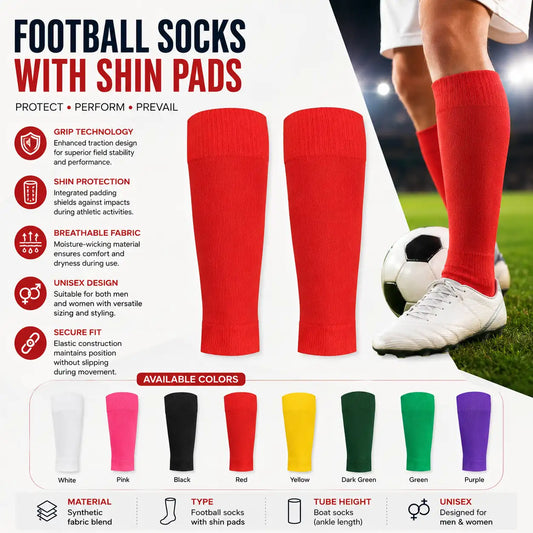
Football Training Foot Covers for Grip and Ankle Support
Regular price $11Regular price$29Sale price $11Sale -
Knee Pads and Leg Covers for Sports, Support and Protection
Regular price $11Regular price$39Sale price $11Sale -
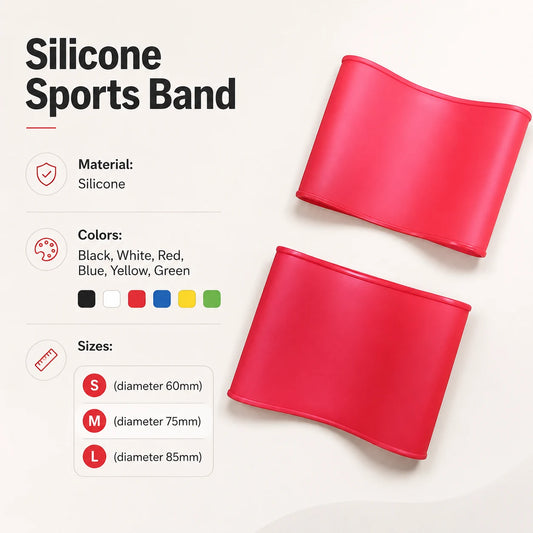
Anti-Slip Silicone Thigh Bands to Prevent Chafing and Rubbing
Regular price $10Regular price$39Sale price $10Sale -
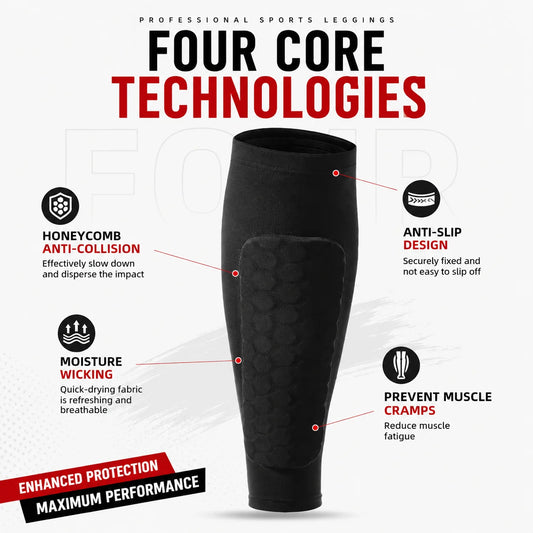
Sports Leg Covers with Compression for Running and Cycling
Regular price $10Regular price$30Sale price $10Sale -
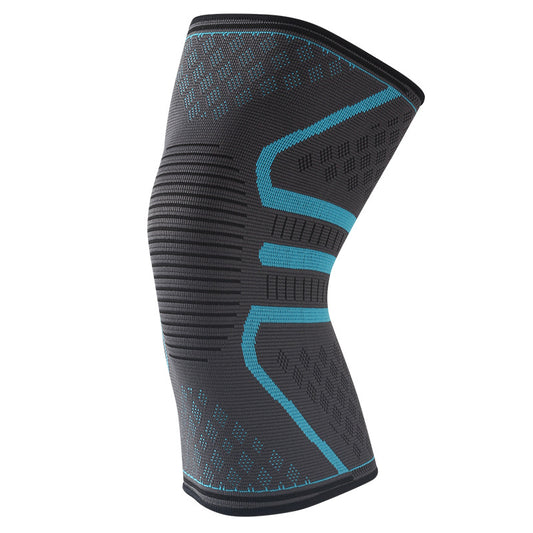
Sports Knee Pads for Running and Reliable Joint Protection
Regular price $9Regular price$19Sale price $9Sale
Covers
Covers provide practical protection while adding comfort, style, and convenience to everyday essentials. Explore versatile options designed to help shield items from dust, spills, scratches, and regular wear. Choose the right size, material, and design to match your needs at home, work, or while traveling.
Shop Covers for Practical Everyday Protection
Covers provide a simple way to help protect furniture, cushions, seats, appliances, and other everyday items from dust, spills, scratches, sunlight, and routine wear. Available in various sizes, materials, and designs, protective covers can also refresh the appearance of a space without replacing the item underneath.
Find Covers for Different Everyday Needs
The right cover depends on what you want to protect, where the item is used, and the type of exposure it regularly faces. Indoor covers may prioritize softness and easy washing, while outdoor covers often require greater resistance to moisture, sunlight, and changing weather.
Common Uses for Protective Covers
-
Helping shield furniture from dust and pet hair
-
Reducing exposure to minor spills and stains
-
Covering items during storage
-
Protecting outdoor furniture between uses
-
Refreshing the appearance of cushions or seating
-
Creating a barrier against everyday scratches
-
Keeping seasonal items cleaner when not in use
Indoor Covers for Home Essentials
Indoor covers are practical for busy homes with children, pets, guests, or frequently used furniture. They can help reduce direct contact with upholstery and make routine cleaning more manageable.
Popular options may include:
-
Couch covers
-
Chair covers
-
Cushion covers
-
Pillow covers
-
Mattress covers
-
Appliance covers
-
Storage covers
When selecting indoor covers, consider fabric softness, washability, color, fit, and whether the material is suitable for the item underneath.
Outdoor Covers for Seasonal Protection
Outdoor items can be exposed to rain, dust, pollen, sunlight, leaves, and changing temperatures. A properly sized outdoor cover can create a protective layer when furniture or equipment is not being used.
Features to Consider for Outdoor Use
-
Water-resistant or waterproof construction
-
UV-resistant material
-
Reinforced seams
-
Secure straps, drawstrings, or buckles
-
Covered vents for airflow
-
Durable fabric
-
Easy-clean surfaces
“Water-resistant” and “waterproof” do not mean the same thing. Review the product description carefully to understand the level of protection provided.
Compare Common Cover Materials
Cover materials differ in appearance, breathability, durability, flexibility, and care requirements.
|
Material |
Common Characteristics |
Typical Use |
|
Cotton |
Soft and breathable |
Indoor furniture and cushions |
|
Polyester |
Lightweight and durable |
Indoor or light outdoor use |
|
Spandex blend |
Stretchable and form-fitting |
Couch, chair, or seat covers |
|
Microfiber |
Soft with a smooth surface |
Indoor furniture protection |
|
Vinyl |
Wipe-clean and moisture resistant |
Storage and utility applications |
|
Oxford fabric |
Durable woven construction |
Outdoor furniture and equipment |
|
Waterproof-coated fabric |
Designed to resist moisture |
Outdoor and protective use |
Always check the full material description because fabric treatments and performance can vary between products.
Choose the Correct Size and Fit
A well-fitting cover offers more reliable coverage and a cleaner appearance. Covers that are too small may leave important areas exposed, while oversized covers can sag, shift, or collect water outdoors.
Measure Before Ordering
-
Measure the item’s widest point.
-
Record its full length and height.
-
Include armrests, handles, or raised sections.
-
Check the product’s measurement diagram.
-
Compare your measurements with the listed size chart.
-
Allow only the extra room recommended by the manufacturer.
For fitted couch covers or cushion covers, also check the allowable stretch range and shape requirements.
Look for Secure Fastening Features
Covers used outdoors or in active households may shift during use. Secure fastening systems can help keep them in position.
Useful features may include:
-
Elastic hems
-
Adjustable drawcords
-
Hook-and-loop straps
-
Buckled leg straps
-
Zippered closures
-
Nonslip backing
-
Corner ties
Choose fastening features based on the item’s shape and how frequently you plan to remove the cover.
Match the Cover to Your Routine
|
Everyday Need |
Features to Prioritize |
|
Pet-friendly home |
Washable fabric and secure fit |
|
Children’s spaces |
Easy-care material and spill resistance |
|
Outdoor storage |
Weather resistance and strong fasteners |
|
Seasonal storage |
Dust protection and breathable construction |
|
Furniture refresh |
Stretch, color, pattern, and fit |
|
Frequent cleaning |
Machine-washable or wipe-clean fabric |
|
Travel or transport |
Lightweight, foldable construction |
Care for Covers Properly
Follow the product label when washing or cleaning a cover. Some materials can be machine-washed, while waterproof coatings may require spot cleaning or air-drying.
Outdoor covers should be cleaned and allowed to dry fully before storage. Storing a damp cover may lead to odors or material damage. Periodically check for torn seams, worn straps, or areas where water can collect.
Why Choosing the Right Cover Matters
The right cover can help protect an item from dust, spills, scratches, pet hair, sunlight, moisture, and everyday wear. A suitable cover should match the item’s dimensions, location, material, and level of exposure. Choosing carefully helps provide better coverage, easier maintenance, and a cleaner overall appearance.
Proper Fit Provides Better Coverage
A cover that fits correctly is more likely to remain in place and protect the intended areas. A small cover may leave corners or surfaces exposed, while an oversized design can bunch, slip, or create an untidy appearance.
A Well-Fitting Cover Should:
-
Cover the intended surface completely
-
Allow room for handles, arms, or raised sections
-
Sit securely without excessive bunching
-
Avoid placing unnecessary tension on seams
-
Work with the item’s shape and dimensions
-
Remain easy to install and remove
Always compare your measurements with the product-specific size chart, as sizing can vary between manufacturers.
Material Determines Performance
Different cover materials provide different levels of softness, stretch, breathability, durability, and moisture resistance. The best choice depends on where the cover will be used and what it needs to protect against.
|
Cover Material |
Key Characteristics |
Suitable Applications |
|
Cotton |
Soft and breathable |
Indoor cushions and furniture |
|
Polyester |
Lightweight and durable |
General indoor or covered outdoor use |
|
Spandex blend |
Stretchable and form-fitting |
Couch, chair, and seat covers |
|
Microfiber |
Soft with a smooth finish |
Indoor furniture |
|
Vinyl |
Wipe-clean and moisture resistant |
Utility and storage protection |
|
Oxford fabric |
Strong woven construction |
Outdoor furniture and equipment |
|
Coated fabric |
Designed to resist moisture |
Outdoor and weather-exposed items |
Check the complete material description and care instructions because construction and protective treatments vary between products.
Indoor and Outdoor Covers Serve Different Purposes
Indoor covers generally focus on comfort, appearance, breathability, and convenient cleaning. Outdoor covers may require more durable materials and secure fastening systems.
Indoor Covers May Help Protect Against:
-
Dust
-
Pet hair
-
Minor spills
-
Everyday friction
-
Light scratches
Outdoor Covers May Help Protect Against:
-
Rain and moisture
-
Dust and pollen
-
Fallen leaves
-
Sun exposure
-
Changing weather
-
Wind-driven debris
A cover labeled “water-resistant” may handle light moisture but may not withstand prolonged or heavy rain. Review the product specifications before use.
Secure Covers Stay in Place
Movement, regular use, pets, children, or outdoor wind can cause poorly secured covers to shift. Fastening features help maintain coverage and reduce the need for repeated adjustment.
Look for:
-
Elastic hems
-
Adjustable drawstrings
-
Zippered closures
-
Hook-and-loop straps
-
Buckles
-
Corner ties
-
Nonslip backing
The appropriate closure depends on the item’s shape and how frequently the cover must be removed.
Breathability Can Help Manage Trapped Moisture
Some storage and outdoor situations require airflow. A completely sealed cover may trap moisture when placed over a damp item or used in a humid environment.
Breathable fabrics or covered air vents may help reduce condensation. Always allow the item and cover to dry completely before prolonged storage.
The Right Cover Simplifies Cleaning
A removable cover can make routine care more convenient by creating a washable or wipe-clean outer layer. This can be especially helpful in busy households, pet-friendly homes, children’s spaces, and frequently used seating areas.
Review the Care Label for:
-
Machine-washing instructions
-
Recommended water temperature
-
Drying requirements
-
Bleach restrictions
-
Ironing guidance
-
Instructions for maintaining protective coatings
Following the manufacturer’s care directions can help preserve the cover’s fit, color, and finish.
Design Affects Comfort and Appearance
Protective covers can also update the look of furniture, cushions, seats, or household items. Consider the room’s color palette, texture, pattern, and overall style when selecting indoor covers.
For covers that contact the body, fabric feel and seam placement are also important. A visually appealing design should still be comfortable and practical for regular use.
Match the Cover to Its Intended Use
|
Intended Use |
Features to Prioritize |
|
Everyday furniture |
Softness, washability, and secure fit |
|
Pet-friendly areas |
Durable fabric and easy cleaning |
|
Outdoor furniture |
Weather resistance and fastening straps |
|
Seasonal storage |
Dust protection and breathability |
|
Transport |
Lightweight material and full coverage |
|
Decorative update |
Color, pattern, stretch, and texture |
|
Frequent spills |
Wipe-clean or washable construction |
Choose Covers With Confidence
Choosing the right cover means balancing fit, material, protection, fastening, appearance, and maintenance. Measure the item carefully, identify the main source of exposure, and review the product specifications before ordering.
Explore Different Types of Covers for Every Need
Covers are available for furniture, bedding, vehicles, appliances, outdoor equipment, cushions, and storage. Each type serves a different purpose, from improving comfort and appearance to creating a barrier against dust, spills, scratches, moisture, pet hair, and everyday wear.
Couch Covers for Everyday Furniture Care
Couch covers can help shield upholstery from routine use, minor spills, dust, and pet hair. They are available in fitted, stretchable, quilted, and draped designs for different furniture shapes and household needs.
Features to Consider
-
Stretchable fabric
-
Nonslip backing
-
Elastic hems or securing straps
-
Washable construction
-
Separate cushion pieces
-
Compatibility with armrests and reclining sections
Measure the couch’s width, height, depth, and cushion configuration before selecting a size.
Cushion and Pillow Covers
Cushion and pillow covers can refresh a room while helping keep the insert underneath cleaner. Zippered styles make removal and washing more convenient.
Choose materials and designs based on where the cushions will be used. Soft cotton and microfiber may suit indoor spaces, while coated polyester or outdoor-rated fabrics may be more appropriate for patios.
Duvet Covers for Bedding Protection
Duvet covers surround a duvet or comforter and can help protect the insert from direct contact with body oils, dust, and routine wear. They also make it easier to change the color or style of a bedroom.
Useful Duvet Cover Features
-
Zipper, button, or tie closures
-
Interior corner ties
-
Breathable fabric
-
Machine-washable construction
-
Dimensions that match the duvet insert
Check exact measurements rather than relying only on labels such as Queen or King because dimensions can vary.
Mattress and Bed Covers
Mattress covers create an additional layer between the sleeper and mattress. Options range from simple fitted covers to zippered encasements and water-resistant protectors.
Consider breathability, depth compatibility, closure style, care instructions, and whether the product is intended for general protection or a more specialized purpose.
Chair and Recliner Covers
Chair covers are designed for dining chairs, armchairs, recliners, office chairs, and other seating. Stretch slipcovers provide a fitted appearance, while quilted covers can add a soft protective layer.
For recliner covers, confirm that the design accommodates moving footrests, handles, and reclining mechanisms without obstructing operation.
Car Seat Covers
Car seat covers can help protect vehicle upholstery from dirt, spills, sunlight, pet hair, and routine use. Universal options fit a range of seats, while vehicle-specific covers are designed around particular dimensions and features.
Safety and Compatibility Checks
Before purchasing, confirm compatibility with:
-
Side-impact airbags
-
Integrated seat belts
-
Headrests
-
Seat controls
-
Heated or ventilated seats
-
Child-safety-seat installation
Never use a cover that interferes with airbags, seat belts, controls, or the vehicle manufacturer’s safety instructions.
Outdoor Furniture Covers
Outdoor furniture covers are designed to shield patio chairs, tables, grills, loungers, and other items when they are not in use. They may include water-resistant materials, UV-resistant coatings, vents, and adjustable fasteners.
|
Outdoor Feature |
Why It Matters |
|
Water resistance |
Helps reduce exposure to rain and moisture |
|
UV resistance |
Helps limit damage from sun exposure |
|
Covered vents |
Encourages airflow while limiting water entry |
|
Reinforced seams |
Supports durability in exposed conditions |
|
Straps or buckles |
Help secure the cover during wind |
|
Handles |
Make installation and removal easier |
Allow furniture and covers to dry before prolonged storage to help prevent trapped moisture.
Appliance Covers
Appliance covers can help keep countertop and household appliances cleaner between uses. Common options include covers for mixers, blenders, coffee makers, washing machines, and other equipment.
Choose a cover that allows the appliance to cool completely before installation. Never cover equipment while it is operating or while vents and surfaces remain hot.
Storage Covers
Storage covers help protect seasonal, rarely used, or stored items from dust and light contact. They may be used for clothing, luggage, equipment, furniture, or household essentials.
Breathable fabric can be useful for long-term indoor storage, while moisture-resistant materials may be better for selected utility areas. The storage environment should remain dry and ventilated.
Protective Covers for Travel
Travel covers can provide an additional barrier around luggage, seats, pillows, equipment, or personal items. Lightweight, foldable options are easier to pack and store when not in use.
Look for secure closures, washable materials, carrying handles, and a design that does not obstruct zippers, wheels, or other functional parts.
Compare Common Types of Covers
|
Cover Type |
Primary Purpose |
Features to Prioritize |
|
Couch cover |
Furniture care |
Stretch, washability, and secure fit |
|
Cushion cover |
Style and surface protection |
Zipper closure and correct dimensions |
|
Duvet cover |
Bedding protection |
Breathability and interior ties |
|
Mattress cover |
Mattress care |
Depth, closure, and easy cleaning |
|
Car seat cover |
Vehicle interior protection |
Safety compatibility and secure installation |
|
Outdoor cover |
Weather exposure |
Water resistance, vents, and fasteners |
|
Appliance cover |
Dust protection |
Proper dimensions and easy removal |
|
Storage cover |
Long-term cleanliness |
Breathability and full coverage |
|
Travel cover |
Portable protection |
Lightweight and foldable construction |
Choose a Cover Based on Its Purpose
Start by identifying what the cover needs to protect against and where it will be used. Then compare the item’s dimensions, cover material, fastening system, protection level, and care instructions.
Indoor Covers for Furniture and Household Essentials
Indoor covers provide a practical layer between everyday items and the dust, spills, pet hair, scratches, and routine wear common in busy homes. From couch covers and cushion covers to appliance and storage covers, the right design can simplify cleaning while refreshing the appearance of a room.
Couch Covers for Frequently Used Seating
Couch covers can help protect upholstery in living rooms, family rooms, rental homes, and pet-friendly spaces. They are available in stretch-fitted, quilted, draped, and multi-piece designs.
Features to Consider for Couch Covers
-
Stretchable fabric for a closer fit
-
Elastic hems or adjustable straps
-
Nonslip backing
-
Separate pieces for seat cushions
-
Openings for reclining controls
-
Machine-washable construction
-
Fabric suitable for regular contact
Measure the couch from the widest points and note its arm, back, and cushion style before choosing a cover.
Chair and Recliner Covers
Chair covers are available for dining chairs, armchairs, office chairs, and recliners. Fitted styles can update the appearance of seating, while quilted options provide an additional protective layer.
For recliners, confirm that the cover does not restrict:
-
Footrest movement
-
Reclining mechanisms
-
Side handles
-
Power controls
-
Charging ports
-
Attached headrests
The cover should remain secure without interfering with the chair’s normal operation.
Cushion and Pillow Covers
Cushion and pillow covers offer an easy way to update colors, patterns, and textures without replacing the inner insert. Removable designs also make routine cleaning more convenient.
Check These Details Before Buying
-
Insert length and width
-
Cushion thickness
-
Closure type
-
Fabric composition
-
Washing instructions
-
Indoor-use recommendations
A slightly smaller decorative cover may create a fuller appearance, but always follow the manufacturer’s sizing guidance.
Duvet and Bedding Covers
Duvet covers surround a comforter or duvet insert, helping protect it from direct contact and everyday wear. They are available in cotton, microfiber, polyester, linen blends, and other materials.
Interior corner ties can help keep the insert positioned, while button or zipper closures provide convenient access. Compare actual dimensions because U.S. Twin, Full, Queen, and King measurements may vary across manufacturers.
Mattress Covers and Protectors
Mattress covers create a removable layer over the mattress. Depending on their construction, they may help reduce direct exposure to dust, minor spills, body oils, and routine use.
Common designs include:
-
Fitted mattress covers
-
Zippered encasements
-
Stretch-knit protectors
-
Padded covers
-
Water-resistant styles
Check mattress length, width, and depth before ordering, especially for pillow-top or deep mattresses.
Appliance Covers for Cleaner Countertops
Appliance covers can help keep mixers, coffee makers, blenders, toasters, and other household equipment cleaner while not in use. They may also create a more organized appearance on kitchen counters or utility shelves.
Important Appliance-Cover Safety
Allow appliances to cool completely before covering them. Never install a cover while an appliance is operating, plugged in when the manufacturer advises otherwise, or releasing heat through ventilation openings.
Storage Covers for Seasonal Items
Storage covers help protect furniture, clothing, luggage, and household essentials that are used only occasionally. Breathable designs may be helpful for long-term indoor storage, especially in closets and dry storage rooms.
Avoid placing covers over damp items. Both the item and cover should be clean and fully dry before storage.
Compare Indoor Cover Options
|
Indoor Cover Type |
Common Purpose |
Useful Features |
|
Couch cover |
Upholstery protection |
Stretch, straps, and washability |
|
Chair cover |
Seating protection and style |
Secure fit and flexible fabric |
|
Cushion cover |
Decorative update |
Zipper closure and correct dimensions |
|
Duvet cover |
Bedding protection |
Breathability and corner ties |
|
Mattress cover |
Mattress care |
Correct depth and washable construction |
|
Appliance cover |
Dust protection |
Easy removal and accurate sizing |
|
Storage cover |
Seasonal storage |
Breathability and full coverage |
Choose Comfortable, Easy-Care Materials
Indoor cover materials should suit the item and household routine.
Popular Material Options
-
Cotton: Soft and breathable for cushions and bedding
-
Polyester: Durable and generally easy to maintain
-
Microfiber: Smooth and soft for furniture applications
-
Spandex blends: Stretchable for fitted furniture covers
-
Quilted fabric: Adds softness and light padding
-
Vinyl: Wipe-clean for selected utility uses
Check the care label before washing because heat, bleach, or fabric softener may affect fit, color, or protective finishes.
Measure for a Better Fit
Use a flexible tape measure and record each dimension in inches. Measure the widest and tallest points and include armrests, handles, cushion thickness, or other raised areas.
Compare your measurements with the specific product’s U.S. size chart. Avoid choosing only by broad labels such as “standard” or “large,” as dimensions can differ.
Choose Indoor Covers for Your Routine
The best indoor covers combine accurate sizing, suitable materials, secure installation, and convenient cleaning. Consider whether the main priority is furniture protection, easier maintenance, storage, comfort, or a decorative update.
Outdoor Covers for Seasonal Weather Protection
Outdoor covers create a protective barrier around patio furniture, grills, equipment, and other items when they are not in use. A properly fitted cover can help reduce exposure to rain, snow, sunlight, pollen, dust, leaves, and windblown debris throughout changing U.S. seasons.
Why Use Outdoor Covers?
Outdoor items face changing temperatures and weather conditions that can affect their appearance and performance over time. Protective covers help limit direct exposure while making seasonal cleaning and storage more manageable.
Outdoor Covers May Help Protect Against:
-
Rain and light moisture
-
Snow and frost
-
Dust and pollen
-
Sun exposure
-
Fallen leaves
-
Bird droppings
-
Tree sap
-
Windblown dirt and debris
The protection provided depends on the cover’s material, construction, fit, and condition.
Outdoor Furniture Covers
Outdoor furniture covers are available for patio chairs, couches, dining sets, tables, loungers, benches, and daybeds. Some are designed for individual pieces, while others cover an entire grouped seating arrangement.
Features to Consider
-
Water-resistant or waterproof material
-
UV-resistant coating
-
Reinforced seams
-
Covered air vents
-
Adjustable straps or buckles
-
Elastic or drawcord hems
-
Padded removal handles
-
Appropriate dimensions
Measure furniture at its widest, tallest, and deepest points, including armrests, backrests, and cushions.
Patio Table and Chair Covers
Combined patio furniture covers can protect a table and surrounding chairs under one cover. Before measuring, place the chairs in their intended covered position and record the total width, length, and height.
A slightly sloped or supported center can help prevent rainwater or melting snow from collecting on the cover. Avoid stretching fabric tightly across sharp furniture corners.
Grill Covers for Outdoor Cooking Equipment
A grill cover can help reduce exposure to outdoor debris and seasonal weather between uses. Choose a design that matches the grill’s width, depth, height, and side-shelf configuration.
Grill-Cover Safety Tips
-
Allow the grill to cool completely before covering it.
-
Turn off fuel or power according to the manufacturer’s instructions.
-
Avoid blocking required ventilation during operation.
-
Keep the cover away from open flames.
-
Never use a cover while the grill is operating.
Equipment and Appliance Covers
Outdoor covers are also available for air-conditioning units, lawn equipment, generators, bicycles, fire pits, and other equipment. Use only a cover designed for the intended item.
Some equipment requires ventilation or should not be fully covered in certain seasons. Always follow the equipment manufacturer’s storage and covering instructions.
Waterproof vs. Water-Resistant Covers
These terms describe different levels of moisture protection and should not be treated as interchangeable.
|
Protection Type |
General Meaning |
Suitable Conditions |
|
Water-resistant |
Helps repel light moisture for a limited time |
Light rain or covered patios |
|
Water-repellent |
Treated to make water bead on the surface |
Intermittent moisture |
|
Waterproof |
Designed to prevent water penetration under stated conditions |
Greater rain and snow exposure |
|
UV-resistant |
Designed to reduce damage from sunlight |
Sunny outdoor areas |
|
Weather-resistant |
Broad term that varies by manufacturer |
Check individual product specifications |
Even a waterproof cover can allow moisture to enter through damaged seams, openings, or areas where water collects.
Breathability and Ventilation
Airflow is important because condensation may develop beneath a cover as temperature and humidity change. Covered vents can help release trapped air while limiting direct water entry.
Do not place a cover over wet furniture or damp cushions. Clean and dry both the item and cover before extended use or seasonal storage.
Secure Covers for Windy Conditions
Outdoor covers can lift, flap, or blow away when not secured correctly. Look for fastening systems that connect firmly around furniture legs or the lower edge.
Helpful Fastening Features
-
Buckled leg straps
-
Adjustable drawcords
-
Elastic hems
-
Hook-and-loop closures
-
Weighted edges
-
Tie-down points
Inspect fasteners regularly, especially after strong wind or severe weather.
Match the Cover to the Season
|
Season |
Common Exposure |
Features to Prioritize |
|
Spring |
Rain, pollen, and wind |
Water resistance and secure straps |
|
Summer |
Sunlight, heat, and dust |
UV resistance and ventilation |
|
Fall |
Leaves, debris, and rain |
Full coverage and easy cleaning |
|
Winter |
Snow, frost, and moisture |
Durable fabric and reinforced seams |
Weather conditions vary across the United States. Choose a cover suited to your region rather than relying on a one-season-fits-all approach.
Measure Outdoor Items Correctly
-
Measure the widest point from side to side.
-
Record the full depth from front to back.
-
Measure from the ground to the highest point.
-
Include handles, arms, wheels, and other projections.
-
Compare the measurements with the product-specific size chart.
-
Follow the manufacturer’s recommended allowance for airflow.
A cover should provide complete coverage without dragging excessively on the ground.
Clean and Store Outdoor Covers
Brush away loose dirt and leaves before washing. Follow the care label, as harsh detergents, bleach, and high heat may damage waterproof or UV-resistant coatings.
Allow the cover to dry completely before folding it. Store it in a clean, dry area away from sharp objects, chemicals, and direct heat.
Choose Outdoor Covers With Confidence
The best outdoor covers combine accurate sizing, durable materials, seasonal protection, ventilation, and secure fasteners. Review the product’s stated resistance to water, sunlight, wind, and cold before purchasing.
Cushion and Pillow Covers for Comfort and Style
Cushion and pillow covers offer an easy way to update a room while helping protect inserts from dust, pet hair, minor spills, body oils, and everyday wear. With different sizes, materials, textures, and closures available, covers can add comfort and personality to bedrooms, living rooms, offices, and outdoor seating areas.
Decorative Cushion Covers for Every Room
Decorative cushion covers can refresh couches, chairs, benches, and beds without requiring new cushion inserts. Changing colors, patterns, or textures can give a space a seasonal update or complement existing décor.
Popular Styling Options
-
Solid neutral colors for a minimal look
-
Bold patterns for visual contrast
-
Textured fabrics for added depth
-
Coordinated sets for a balanced appearance
-
Seasonal colors for temporary updates
-
Reversible designs for greater versatility
When mixing designs, use a consistent color palette to create a coordinated look without making every cushion identical.
Pillow Covers for Everyday Comfort
Pillow covers used for sleeping should feel comfortable against the skin and work well with the pillow underneath. Breathability, fabric texture, closure type, and washing instructions are important considerations.
Choose a cover that fits smoothly without compressing the pillow excessively or leaving large areas of loose fabric.
Choose the Right Cover Material
Different fabrics create different looks and levels of comfort.
|
Material |
Common Characteristics |
Suitable Use |
|
Cotton |
Soft, breathable, and familiar |
Bedrooms and everyday living spaces |
|
Linen blend |
Textured and breathable |
Decorative indoor cushions |
|
Polyester |
Durable and generally easy to maintain |
High-use rooms and family spaces |
|
Microfiber |
Smooth, soft, and lightweight |
Pillows and indoor cushions |
|
Velvet |
Plush with a rich texture |
Decorative couches and accent chairs |
|
Faux fur |
Soft and visually distinctive |
Accent cushions and seasonal décor |
|
Outdoor-rated fabric |
Designed for greater weather resistance |
Patios and covered outdoor seating |
Always review the complete fabric description because texture, durability, and cleaning requirements vary.
Measure Cushion and Pillow Inserts Correctly
A correctly sized cover creates a cleaner appearance and helps keep the insert securely positioned.
How to Measure an Insert
-
Remove any existing cover.
-
Measure the insert from seam to seam.
-
Record its width and height in inches.
-
Measure the depth if the cushion is thick or structured.
-
Compare the dimensions with the product size chart.
-
Check whether the listed size refers to the cover or insert.
For a fuller decorative appearance, some people pair an insert with a slightly smaller cover. However, follow the manufacturer’s recommendations to avoid overstretching seams or zippers.
Compare Common Shapes and Sizes
Cushion and pillow covers are available in square, rectangular, round, bolster, and contoured designs.
|
Cover Shape |
Common Placement |
Measurement to Check |
|
Square |
Couches, beds, and chairs |
Width and height |
|
Lumbar |
Lower-back area or decorative layering |
Width, height, and depth |
|
Rectangular |
Beds and benches |
Length and width |
|
Round |
Accent chairs and decorative seating |
Diameter |
|
Bolster |
Beds, couches, and supportive seating |
Length and circumference |
|
Contoured |
Specialty-shaped pillows |
Full product-specific dimensions |
U.S. Standard, Queen, and King pillow labels can differ by brand, so confirm actual measurements before ordering.
Select a Practical Closure
The closure affects how easily a cover can be removed and how finished it looks.
Common Closure Types
-
Hidden zipper: Creates a streamlined appearance and allows easy removal
-
Envelope closure: Uses overlapping fabric without exposed hardware
-
Button closure: Adds a decorative detail
-
Tie closure: Creates a casual or handcrafted look
-
Hook-and-loop closure: Provides quick access for selected designs
Check that closures are positioned where they will not create discomfort during use.
Cushion Covers for Couches and Chairs
Couch cushion covers should complement the furniture’s size, color, and daily use. In busy households, washable fabrics and durable seams may be especially useful.
Look for:
-
Colorfast material
-
Reinforced stitching
-
Concealed closures
-
Stretchable fabric for unusual shapes
-
Removable construction
-
Care instructions suited to frequent cleaning
Outdoor Cushion Covers
Outdoor cushion covers require materials designed for greater exposure to sunlight and moisture. Features may include UV-resistant fabric, water-repellent finishes, and durable zippers.
Water-resistant fabric is not always fully waterproof. Bring cushions indoors or store them in a dry location during heavy rain, severe weather, and extended periods of nonuse unless the manufacturer states otherwise.
Care and Cleaning Tips
Always follow the instructions on the care label. Some cushion and pillow covers are machine washable, while textured, coated, or decorative fabrics may require spot cleaning.
General care may include:
-
Close zippers before washing.
-
Wash with similar colors.
-
Use a gentle cycle when recommended.
-
Avoid high heat unless permitted.
-
Air-dry coated or delicate fabrics.
-
Reinstall only after the cover is completely dry.
Choose Covers That Fit Your Lifestyle
The best cushion and pillow covers balance comfort, appearance, durability, fit, and easy maintenance. Consider where the cover will be used, how often it will need cleaning, and whether it must handle pets, children, outdoor exposure, or frequent contact.
FAQs
What are protective covers used for?
Protective covers help shield furniture and household items from dust, spills, scratches, moisture, pet hair, and everyday wear.
How do I choose the right cover size?
Measure the item’s width, depth, and height, then compare the measurements with the product-specific size chart.
Are waterproof covers suitable for outdoor use?
Waterproof covers may suit outdoor use, but buyers should also check UV resistance, ventilation, seam construction, and fastening features.
How should covers be cleaned?
Follow the care label because some covers are machine washable, while coated or structured materials may require spot cleaning.
What material is best for protective covers?
The best material depends on the intended use, with soft washable fabrics suited to indoor items and durable weather-resistant fabrics suited to outdoor protection.