Masks: Compression & Support
-
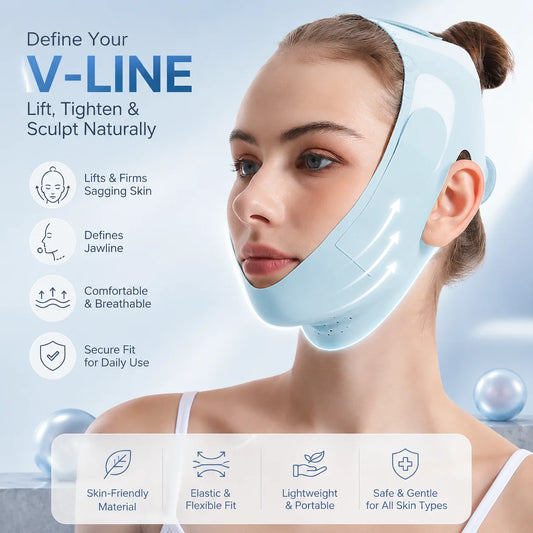
V-Line Face Lifting Mask for Slimming, Firming & Tightening
Regular price $11Regular price$23Sale price $11Sale -
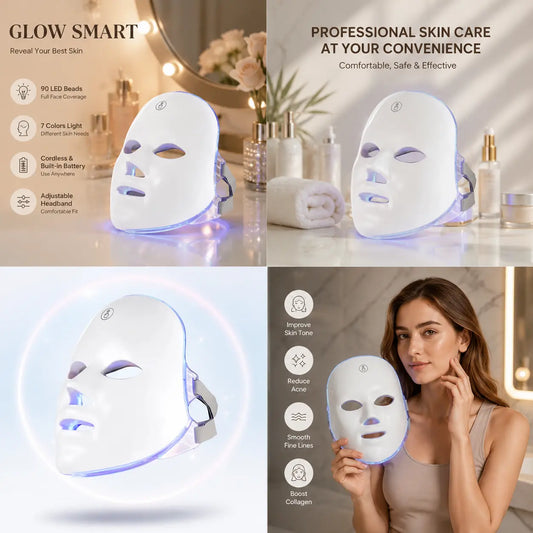
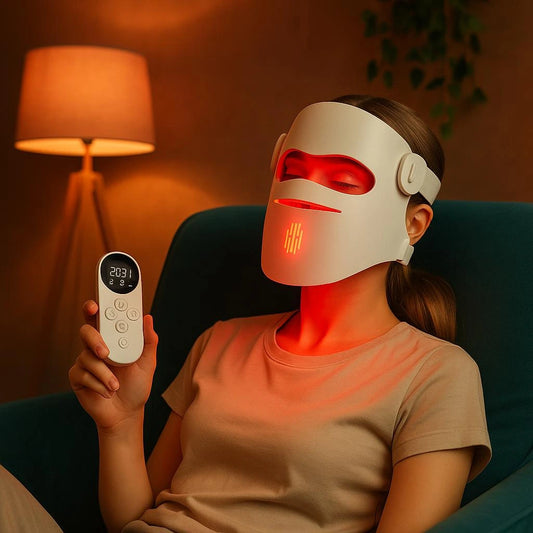
LED Light Therapy Beauty Mask for Facial Skin Care at Home
Regular price $27Regular price$59Sale price $27Sale -
3D Eye Mask with Stereo Light-Blocking for Restful Sleep
Regular price $12Regular price$27Sale price $12Sale -
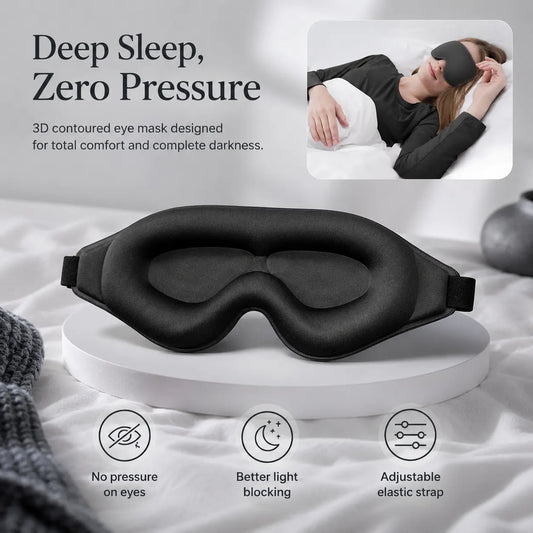
3D Breathable Blackout Eye Mask for Sleep and Travel Rest
Regular price $9Regular price$20Sale price $9Sale -
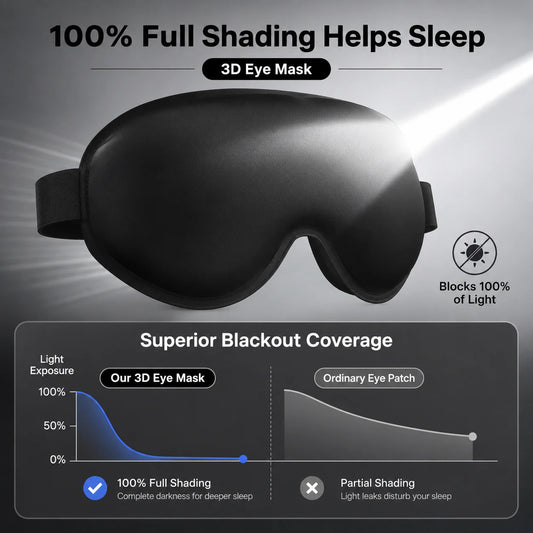
Full Light-Blocking Sleep Eye Mask for Blackout Sleep Rest
Regular price $8Regular price$19Sale price $8Sale -
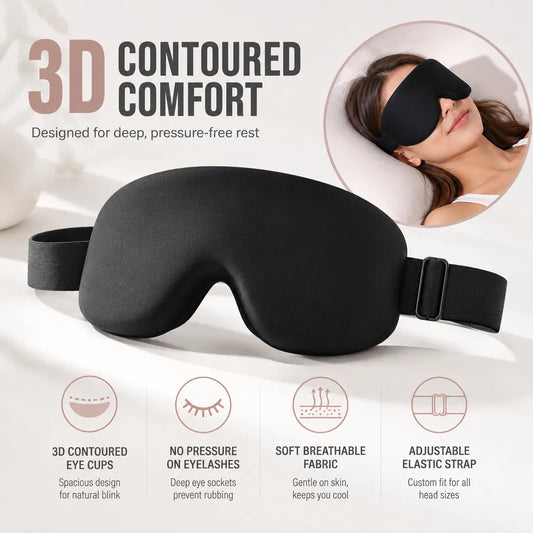
3D Contoured Sleep Eye Mask for Travel and Nap Light Block
Regular price $9Regular price$21Sale price $9Sale -
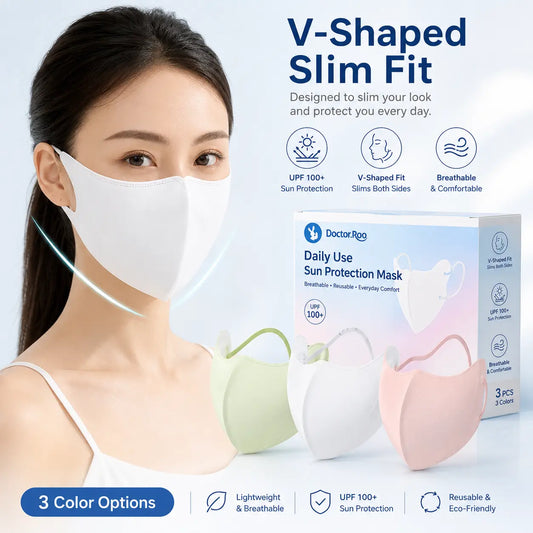
Sunscreen Mask for Face UV Protection Outdoors and Driving
Regular price $13Regular price$27Sale price $13Sale -
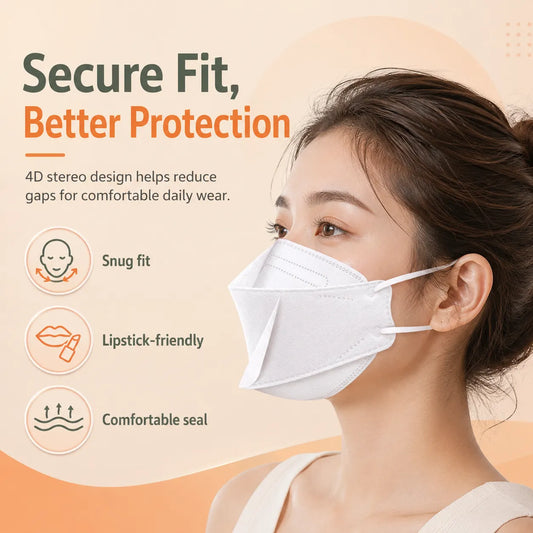
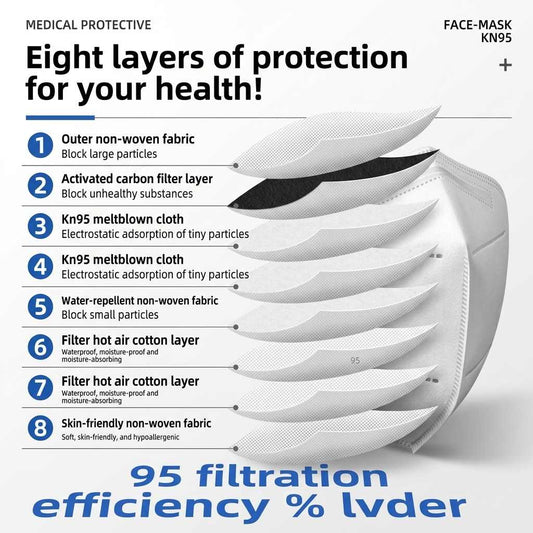
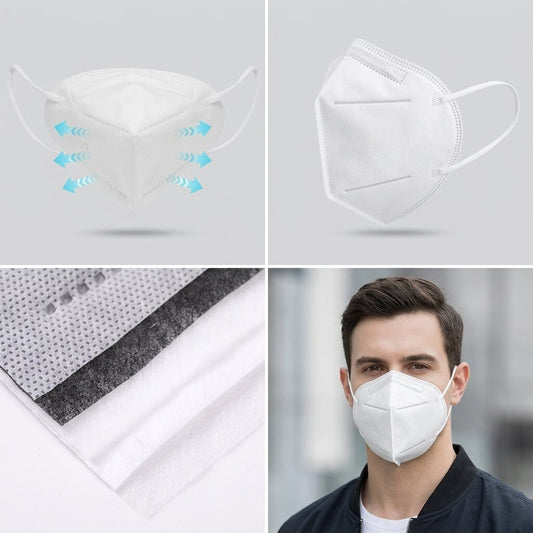
3D Fish Shape KN95 Face Mask for Comfortable All Day Wear
Regular price $30Regular price$65Sale price $30Sale -
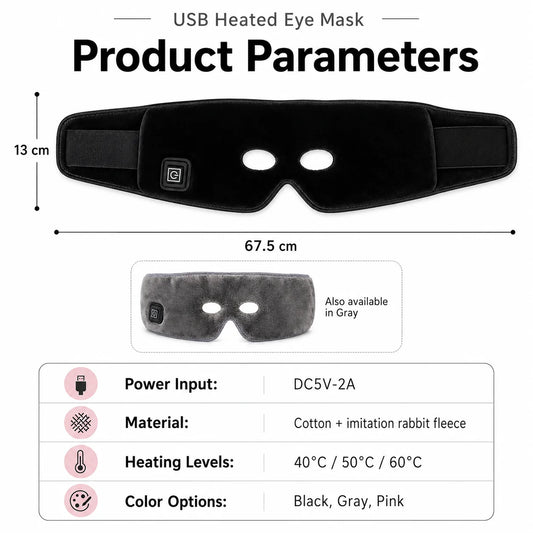
Electric Heated Eye Mask Dry Eyes, Puffiness & Relaxation
Regular price $16Regular price$39Sale price $16Sale -
Wireless LED Photon Facial Device for a Glowing Complexion
Regular price $62Regular price$125Sale price $62Sale -
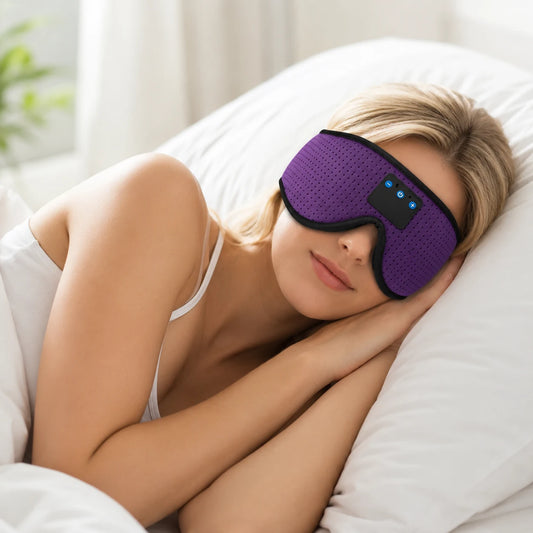
Bluetooth Music Sleep Eye Mask with Hands-Free Call Support
Regular price $20Regular price$45Sale price $20Sale -
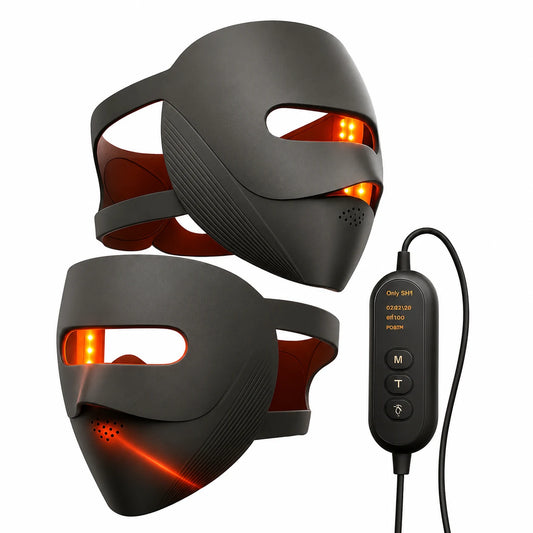
Photon Therapy Beauty Mask with Red Light for Daily Home Use
Regular price $62Regular price$169Sale price $62Sale -
Wireless LED Photon Therapy Facial Mask for Home Skin Care
Regular price $94Regular price$189Sale price $94Sale -
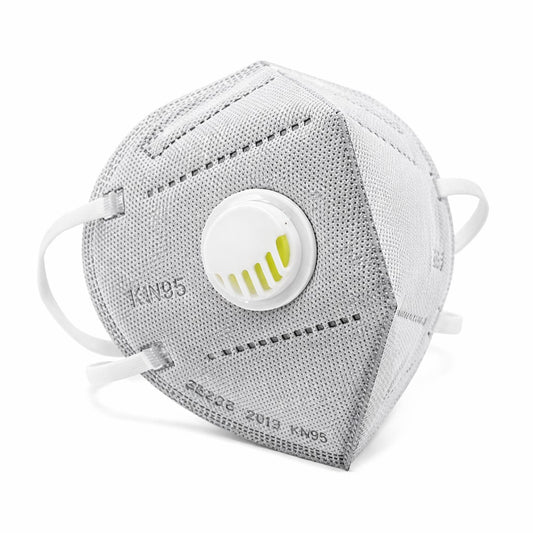
KN95 Industrial Dust Mask with Breathing Valve for Sanding
Regular price $36Regular price$72Sale price $36Sale -
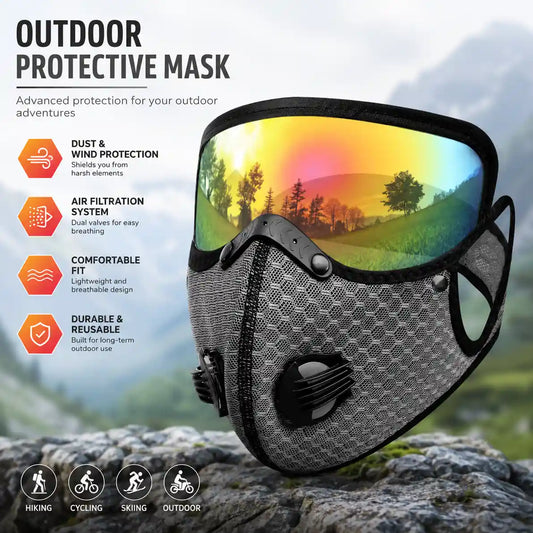
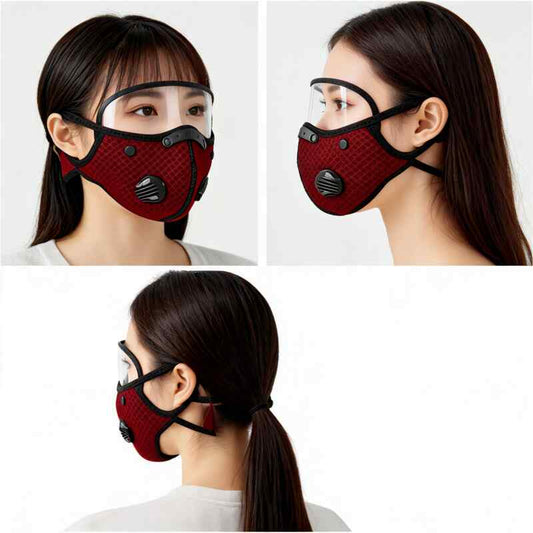
Windproof Dustproof Sports Mask for Running & Cycling Comfort
Regular price $9Regular price$19Sale price $9Sale -
KN95 Protective Mask with Breathing Valve for Easy Airflow
Regular price $34Regular price$68Sale price $34Sale -
CE Certified Protective Masks Lightweight and Adjustable
Regular price $18Regular price$38Sale price $18Sale -
Outdoor Sports Mask – Breathable Face Cover for Training
Regular price $9Regular price$21Sale price $9Sale
Masks
Masks offer practical options for personal care, comfort, travel, skincare, and everyday routines. From reusable face coverings to beauty and relaxation masks, the right choice depends on its intended use, materials, fit, and care instructions. Explore convenient designs suited to different needs and preferences.
What Are Face Masks?
Face masks are wearable coverings designed to fit over the nose and mouth. Depending on their construction, fit, and certification, they may help contain respiratory particles released by the wearer and reduce exposure to particles in the surrounding air. Protection varies widely, so not every mask serves the same purpose.
Face masks may be disposable or reusable and are available in different sizes, materials, shapes, and filtration levels. A close, comfortable fit without gaps around the face is an important part of mask performance.
Common Types of Face Masks
|
Mask type |
General purpose |
Important consideration |
|
Disposable face mask |
Provides a basic physical barrier for everyday situations |
Fit and construction vary by product |
|
Surgical or procedure mask |
Designed for specific healthcare or procedural uses |
Medical claims require appropriate labeling and documentation |
|
N95 respirator |
Designed to provide close facial fit and particle filtration |
Look for genuine NIOSH approval |
|
KN95 respirator |
Manufactured to meet a non-U.S. respirator standard |
Verify the stated standard and documentation |
|
Reusable cloth mask |
Washable face covering for repeated use |
Layers, material, fit, and washing instructions matter |
A loose-fitting disposable mask should not be described as a respirator. Likewise, terms such as N95, NIOSH Approved, surgical, and medical-grade should appear only when supported by valid product documentation.
How Face Masks Work
Depending on the product, a face mask may:
-
Help contain droplets and respiratory particles released by the wearer
-
Reduce the amount of particles reaching the nose and mouth
-
Provide a physical barrier against splashes or larger droplets
-
Support respiratory-illness prevention alongside other appropriate measures
Mask performance depends on filtration, fit, condition, and correct use. Gaps around the nose, cheeks, or chin can reduce effectiveness.
Choosing a Face Mask
Before purchasing, review:
-
Intended use
-
Size and facial fit
-
Material and layer information
-
Certification or approval claims
-
Disposable or reusable design
-
Washing, storage, and replacement directions
-
Comfort during the intended period of wear
Choose products based on verified specifications rather than color, appearance, or unsupported protection claims. People working around hazardous dusts, chemicals, or workplace exposures should follow applicable occupational-safety requirements instead of relying on an ordinary face covering.
Explore Different Types of Face Masks
Face masks are available in several designs, including disposable masks, surgical masks, reusable cloth coverings, and filtering respirators. Each type differs in construction, fit, intended use, and level of particle filtration.
No mask type is suitable for every situation. Compare verified product specifications and choose a mask that fits closely over the nose, mouth, and chin without uncomfortable gaps.
Comparison of Common Face Mask Types
|
Mask type |
General characteristics |
What to verify |
|
Disposable face mask |
Lightweight, single-use covering with ear loops or ties |
Layers, fit, materials, and stated intended use |
|
Surgical mask |
Loose-fitting disposable medical device for specific healthcare uses |
FDA status and supporting product documentation |
|
N95 respirator |
Close-fitting respirator designed to filter airborne particles |
Genuine NIOSH approval and model information |
|
KN95 respirator |
Respirator manufactured to a Chinese performance standard |
Manufacturer, standard, test documentation, and authenticity |
|
Reusable cloth mask |
Washable covering made with one or more fabric layers |
Fabric, layers, fit, and washing instructions |
|
Transparent-panel mask |
Includes a clear section around the mouth |
Fogging, breathability, fit, and product documentation |
Disposable Face Masks
Disposable face masks are commonly designed for temporary use. They may include pleats, ear loops, nose wires, and multiple material layers. Quality and performance can vary considerably between products.
Replace a disposable mask when it becomes:
-
Wet or visibly soiled
-
Torn or damaged
-
Difficult to breathe through
-
Loose around the face
-
Contaminated during use
-
Worn beyond the manufacturer’s directions
Disposable masks should not be washed unless the manufacturer specifically states otherwise.
N95 and KN95 Respirators
An N95 is a respirator classification used in the United States. Genuine NIOSH-approved models carry required approval markings that can be checked against official records. A close facial seal is important to respirator performance.
KN95 respirators follow a different national standard and are not NIOSH-approved as KN95s. Review the manufacturer’s identity, claimed standard, documentation, labeling, and seller information before purchasing.
Reusable Cloth Face Masks
Reusable cloth masks can differ in fabric, number of layers, design, and fit. Select a style that:
-
Covers the nose, mouth, and chin
-
Fits closely along the sides of the face
-
Remains secure during normal movement
-
Can be washed according to its care instructions
-
Does not make breathing unreasonably difficult
Wash reusable masks as directed and replace them when the fabric, elastic, nose wire, or seams become damaged.
Disposable Face Masks for Everyday Use
Disposable face masks are lightweight, single-use coverings designed to fit over the nose and mouth. They are commonly used during travel, commuting, errands, crowded indoor activities, and other everyday situations where an additional respiratory-health precaution may be appropriate.
Construction and performance vary across products. A disposable mask should be selected according to its verified specifications, intended use, fit, and current public-health guidance—not color or appearance alone.
Features to Consider
|
Feature |
Why it matters |
|
Multiple material layers |
Construction may influence filtration and breathability |
|
Adjustable nose wire |
Can help reduce gaps around the nose |
|
Secure ear loops or ties |
Help keep the mask positioned during normal movement |
|
Appropriate size |
Should cover the nose, mouth, and chin |
|
Verified labeling |
Identifies the manufacturer, model, and intended use |
|
Individual packaging |
May help keep unused masks clean during storage and travel |
Layer count alone does not establish performance. Avoid unsupported claims such as “medical-grade,” “surgical,” or a specific filtration percentage unless the manufacturer provides appropriate documentation.
How to Wear a Disposable Face Mask
-
Clean your hands before handling the mask.
-
Inspect it for damage, moisture, or dirt.
-
Position it over the nose, mouth, and chin.
-
Secure the ear loops or ties.
-
Shape the nose wire when one is provided.
-
Check for obvious gaps around the sides.
-
Avoid touching the mask while wearing it.
-
Clean your hands after removing and discarding it.
Wear the mask according to the manufacturer’s directions. A beard or significant facial hair can interfere with the seal of close-fitting respirators.
When to Replace a Disposable Mask
Use a new mask when the current one becomes:
-
Wet or visibly dirty
-
Torn, stretched, or damaged
-
Loose around the face
-
Difficult to breathe through
-
Contaminated during handling
-
Worn beyond the recommended period
Disposable face masks generally should not be washed or placed in a clothes dryer. Discard them according to the product instructions and applicable local waste guidance.
Understanding Their Limitations
A loose-fitting disposable face mask is not the same as a close-fitting respirator. It may provide less protection from inhaled airborne particles than a properly fitted, genuine NIOSH-approved respirator. Ordinary masks are also not substitutes for respiratory protection required in hazardous workplaces.
Surgical and Procedure Masks
Surgical and procedure masks are disposable face masks commonly used in healthcare and other settings. They typically feature multiple layers, pleated construction, a flexible nose piece, and ear loops or ties. However, products that look similar may have different intended uses, testing, and regulatory status.
Terms such as surgical mask, medical mask, and procedure mask should not be used interchangeably unless supported by the manufacturer’s labeling and documentation.
Surgical Masks vs. Procedure Masks
|
Feature |
Surgical mask |
Procedure mask |
|
General use |
Designed for specified medical or surgical environments |
May be intended for medical or general procedural use |
|
Fit |
Usually loose-fitting |
|
Fastening |
Ear loops or ties |
Commonly ear loops |
|
Fluid resistance |
May be tested when claimed |
Depends on the documented product standard |
|
Regulatory status |
A medical device in the United States |
Depends on intended use and labeling |
|
Respirator-level seal |
No |
No |
Neither product should be described as an N95 respirator unless it separately holds a valid NIOSH approval as a surgical N95 respirator.
Features to Review Before Purchasing
Check the packaging and documentation for:
-
Manufacturer name and model
-
Intended-use statement
-
Materials and layer construction
-
Size and fastening method
-
Fluid-resistance claims, when applicable
-
Applicable test standard
-
FDA clearance, authorization, or listing when claimed
-
Lot number and expiration information
-
Storage and disposal instructions
An FDA establishment registration or device listing alone does not mean that the FDA has approved or cleared a specific product.
How to Wear a Surgical or Procedure Mask
-
Clean your hands before handling the mask.
-
Inspect it for damage, moisture, or contamination.
-
Position it over the nose, mouth, and chin.
-
Secure the loops or ties.
-
Shape the nose piece to reduce gaps.
-
Avoid touching the front while wearing it.
-
Remove it using the loops or ties.
-
Discard it and clean your hands.
Replace the mask if it becomes wet, soiled, damaged, difficult to breathe through, or loose around the face.
Understanding the Limitations
Surgical and procedure masks generally do not form the close facial seal expected from a respirator. When close-fitting respiratory protection is needed, a genuine NIOSH-approved respirator may be more appropriate, depending on the situation and applicable requirements.
N95 and KN95 Respirator Masks
N95 and KN95 masks are filtering facepiece respirators designed to fit more closely than ordinary disposable face masks. When authentic, properly fitted, and worn correctly, they can provide better filtration of airborne particles than loose-fitting masks.
Although their names sound similar, N95 and KN95 respirators follow different standards and approval systems. Product labeling, fit, documentation, and seller reliability should be reviewed carefully before purchase.
N95 vs. KN95 Respirators
|
Feature |
N95 respirator |
KN95 respirator |
|
Primary standard |
U.S. NIOSH requirements |
Chinese GB2626 standard |
|
U.S. approval |
Must be NIOSH-approved to be called a NIOSH-approved N95 |
KN95s are not approved by NIOSH as KN95s |
|
Typical straps |
Usually two headbands |
Commonly ear loops, though designs vary |
|
Filtration claim |
Filters at least 95% of specified test particles under NIOSH testing |
Designed to meet the applicable KN95 test standard |
|
Fit |
Close facial fit is essential |
|
Oil resistance |
N-series respirators are not resistant to oil |
Refer to the applicable standard and documentation |
Neither respirator protects against every hazard. Standard N95 and KN95 particulate respirators are not designed to protect against gases, vapors, or oxygen-deficient environments.
How to Verify an N95 Respirator
A genuine NIOSH-approved N95 typically includes required markings such as:
-
The NIOSH name or logo
-
The N95 filter classification
-
An approval number beginning with “TC-84A”
-
Manufacturer or brand identification
-
Model or part number
-
Required head straps
Verify the approval number and model through the official NIOSH Certified Equipment List. Packaging that only says “registered with the FDA” does not establish NIOSH approval.
Evaluating a KN95 Mask
Before purchasing a KN95, review:
-
The manufacturer’s identity
-
The claimed GB2626 standard
-
Model and lot information
-
Test documentation
-
Packaging and labeling quality
-
Seller history and traceability
-
Any applicable recall or safety notices
Avoid products with misspelled markings, missing manufacturer details, unsupported approval logos, or unrealistic protection claims.
Fit and Seal Matter
A respirator should cover the nose, mouth, and chin without obvious gaps. Perform the manufacturer-recommended user seal check each time it is put on. Facial hair, incorrect sizing, damaged straps, and poor nose-wire adjustment may prevent an adequate seal.
Workplaces requiring respirators may also require medical evaluation, formal fit testing, training, and a written respiratory-protection program under applicable OSHA rules. A consumer user seal check is not a substitute for occupational fit testing.
When to Replace a Respirator
Replace the respirator when it becomes wet, dirty, damaged, difficult to breathe through, contaminated, or unable to maintain a secure fit. Follow the manufacturer’s instructions regarding use, storage, and disposal.
Reusable Cloth Face Masks
Reusable cloth face masks are washable face coverings designed for repeated use. They are available in different fabrics, shapes, sizes, colors, and fastening styles. Some include multiple layers, adjustable ear loops, nose wires, or pockets for compatible filter inserts.
Filtration and fit can vary significantly between cloth masks. Fabric appearance, thickness, or layer count alone does not prove a specific level of protection.
Features to Consider
|
Feature |
What to review |
|
Fabric layers |
Construction, breathability, and manufacturer specifications |
|
Nose wire |
Ability to reduce gaps around the nose |
|
Ear loops or head straps |
Security, adjustability, and comfort |
|
Mask shape |
Coverage of the nose, mouth, and chin |
|
Filter pocket |
Compatibility with the manufacturer’s recommended insert |
|
Washable design |
Cleaning method and expected product lifespan |
|
Size options |
Fit for the intended wearer’s face |
|
Seam construction |
Durability after repeated washing |
Choose a mask that remains securely positioned during normal movement without making breathing unreasonably difficult.
How Should a Cloth Mask Fit?
A reusable face mask should:
-
Completely cover the nose and mouth
-
Extend under the chin
-
Fit closely along the cheeks
-
Remain secure while speaking or moving
-
Avoid obvious gaps around the edges
-
Allow comfortable, unobstructed breathing
Tying knots in ear loops or using compatible mask adjusters may improve the fit of certain designs. Follow the manufacturer’s directions and do not modify the product in a way that damages its structure.
Washing Reusable Face Masks
-
Wash the mask according to its care label.
-
Use an appropriate detergent.
-
Dry it completely before the next use.
-
Clean your hands after handling a used mask.
-
Store clean masks separately from used ones.
-
Avoid wearing a damp mask.
Wash frequency depends on use and the manufacturer’s instructions. A visibly dirty or wet mask should be changed promptly.
When to Replace a Cloth Face Mask
Replace the mask if:
-
The fabric becomes thin or damaged
-
Seams begin to separate
-
Ear loops or straps lose elasticity
-
The nose wire breaks or becomes exposed
-
The mask no longer fits securely
-
It remains stained or retains an odor after washing
Understanding Cloth-Mask Limitations
Reusable cloth masks are not N95 respirators, and their particle filtration can vary widely. They should not be marketed with medical, surgical, N95, KN95, or specific filtration claims unless those statements are supported by valid testing and applicable documentation.
Face Masks for Adults and Children
Face masks for adults and children should be selected according to the wearer’s facial size, intended use, comfort, and ability to wear the product safely. A mask that is too large may leave gaps, while one that is too small may slip, feel uncomfortable, or fail to cover the nose, mouth, and chin.
Children are not simply smaller adults, so adult-sized face masks may not provide an appropriate fit.
Adult and Children’s Mask Features
|
Feature |
Adults |
Children |
|
Size |
Standard and extended adult sizes |
Age- or measurement-based child sizes |
|
Fit |
Should cover the nose, mouth, and chin |
Should fit closely without gaps or slipping |
|
Fastening |
Ear loops or head straps |
Adjustable ear loops may help with fit |
|
Nose wire |
May improve fit around the nose |
Should be flexible and comfortable |
|
Supervision |
Follow product and public-health guidance |
Adult supervision may be necessary |
|
Product claims |
Verify standards and documentation |
Confirm that the product is intended for children |
Age labels alone do not guarantee a correct fit because children’s facial dimensions vary. Review the actual product measurements whenever available.
Choosing Face Masks for Adults
Adults should consider:
-
Intended use and environment
-
Facial size and shape
-
Disposable or reusable construction
-
Ear-loop or head-strap design
-
Verified approval or performance claims
-
Breathability and comfort
-
Replacement or washing instructions
People who need occupational respiratory protection must follow workplace requirements, including any necessary medical evaluation, fit testing, and training.
Choosing Face Masks for Children
A children’s face mask should:
-
Be specifically sized for the child
-
Cover the nose, mouth, and chin
-
Remain secure while the child speaks and moves
-
Avoid large gaps along the cheeks or nose
-
Allow the child to breathe comfortably
-
Be removable by the child when developmentally appropriate
-
Contain no loose or damaged components
Do not place a mask on a child younger than 2 years old. Masks also should not be used on anyone who cannot remove one without assistance or when a healthcare professional advises against it.
Helping a Child Wear a Mask
Explain how to handle the mask using clean hands and avoid touching its front. Check that it stays positioned without blocking vision or causing distress. Replace a disposable mask if it becomes wet, dirty, damaged, or loose. Wash reusable masks according to their care instructions.
Never modify an adult respirator to create a child-sized product or make unsupported N95, KN95, surgical, or medical-grade claims.
How to Choose the Right Face Mask
Choosing the right face mask depends on where it will be worn, the level of protection needed, facial fit, comfort, and verified product specifications. A mask that filters well but leaves large gaps may perform less effectively than expected.
No single mask is best for every person or situation. Compare intended use, fit, approval status, and care requirements before purchasing.
Compare Face Masks by Intended Use
|
Situation |
Mask features to consider |
|
Everyday indoor activities |
Comfortable fit, adequate coverage, and reliable construction |
|
Crowded or poorly ventilated spaces |
Close fit and higher filtration supported by documentation |
|
Healthcare setting |
Facility requirements and appropriately labeled medical products |
|
Hazardous workplace |
Employer-required, NIOSH-approved respiratory protection |
|
Repeated personal use |
Washable construction and clear care instructions |
|
Travel |
Secure fit, comfort over time, and extra replacement masks |
|
Children |
Child-specific sizing, comfort, and safe independent removal |
Always follow current public-health, healthcare-facility, workplace, and transportation requirements when applicable.
Key Features to Check
Before selecting a face mask, review:
-
Coverage: It should cover the nose, mouth, and chin.
-
Fit: Look for minimal gaps around the nose and cheeks.
-
Size: Use measurements rather than relying only on age labels.
-
Fastening: Compare ear loops with head straps for comfort and stability.
-
Nose wire: A flexible wire may help improve the fit.
-
Filtration claims: Look for valid supporting documentation.
-
Breathability: The mask should remain wearable for the intended activity.
-
Care requirements: Determine whether it is disposable or washable.
-
Condition: Do not use a wet, dirty, torn, or damaged mask.
Understanding Mask Labels
Be cautious with terms such as:
-
N95
-
KN95
-
NIOSH Approved
-
Surgical
-
Medical-grade
-
FDA approved
-
95% filtration
These claims require appropriate evidence. Genuine NIOSH-approved N95 respirators should have required markings and a model that can be verified through the official NIOSH Certified Equipment List.
An FDA establishment registration or device listing does not, by itself, prove that a mask has been approved or cleared.
Check the Fit Before Use
A properly positioned mask should:
-
Stay over the nose and under the chin
-
Fit closely against the sides of the face
-
Remain secure while speaking and moving
-
Avoid blocking vision
-
Allow breathing without unreasonable difficulty
Facial hair can interfere with the seal of a close-fitting respirator. Occupational respirator use may require formal fit testing; a personal fit check is not a substitute.
When to Ask for Professional Guidance
Consult a healthcare professional when selecting a mask for someone with a respiratory condition, disability, developmental concern, or difficulty removing a mask independently. Follow OSHA and employer requirements for workplace exposures.
FAQs
What is a face mask?
A face mask is a covering worn over the nose and mouth, with its purpose and performance depending on its design, fit, materials, and verified specifications.
How do I choose the right face mask?
Choose a mask based on its intended use, facial fit, size, construction, comfort, care instructions, and properly documented performance claims.
What is the difference between N95 and KN95 masks?
N95 respirators require NIOSH approval in the United States, while KN95 respirators are manufactured to a Chinese performance standard and are not NIOSH-approved as KN95s.
Can disposable face masks be reused?
Follow the manufacturer’s directions and replace a disposable mask when it becomes wet, dirty, damaged, difficult to breathe through, or unable to fit securely.
How should a face mask fit?
A face mask should cover the nose, mouth, and chin, remain secure during movement, and minimize gaps around the nose and sides of the face.