Gym & Fitness Support Gear
-
Yoga Compression Socks Non-Slip Workout Calf Socks
Regular price $10Regular price$20Sale price $10Sale -
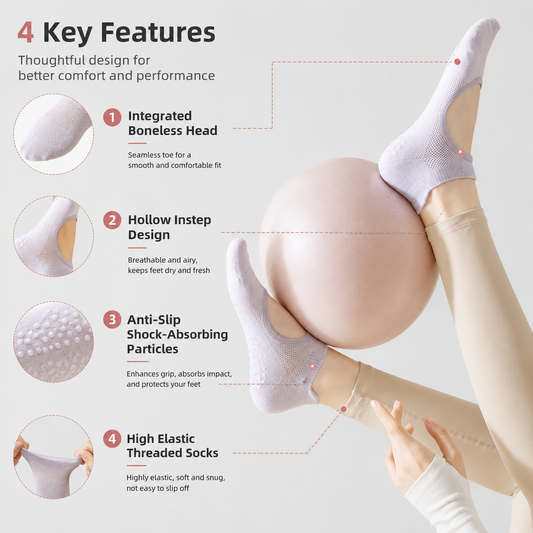
Non Slip Yoga Grip Socks for Pilates, Barre & Home Workouts
Regular price $8Regular price$18Sale price $8Sale -
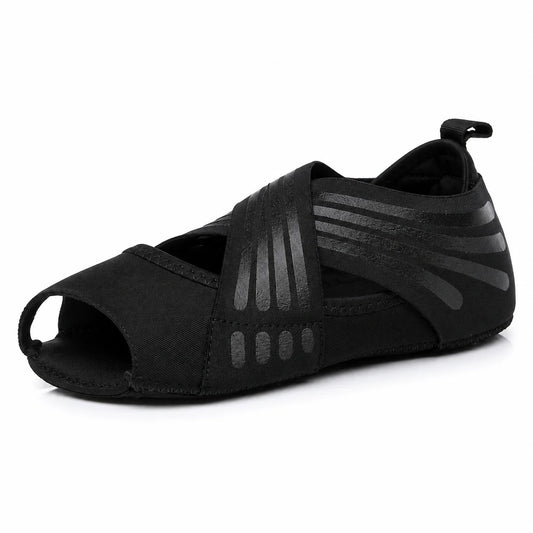
Non-Slip Yoga Socks with Grip for Pilates and Barre Workouts
Regular price $13Regular priceSale price $13 -
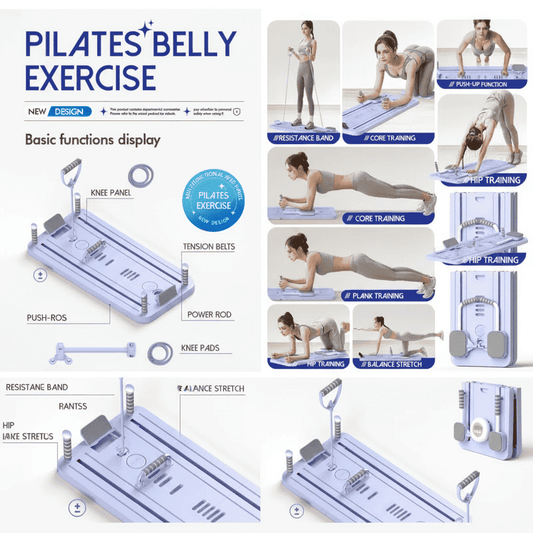
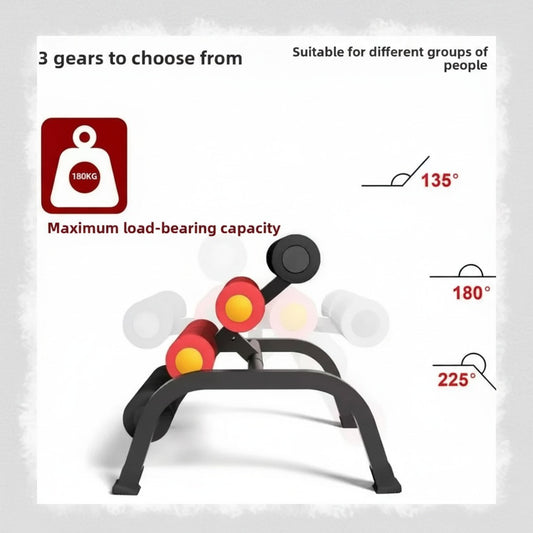
Foldable 4-in-1 Fitness Abdominal Board for Home Workouts
Regular price $299Regular price$605Sale price $299Sale -
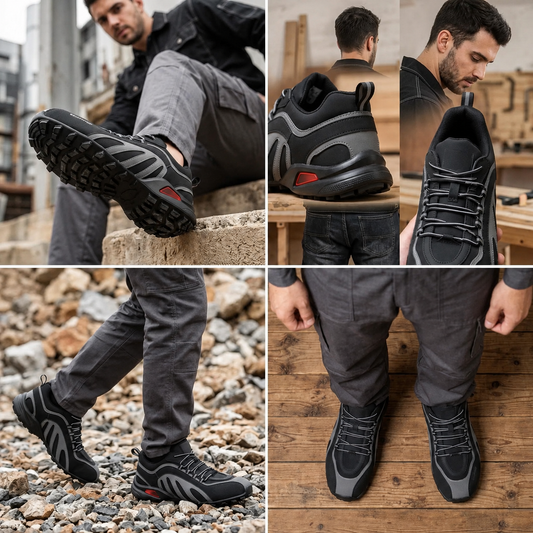
Steel Toe Safety Footwear Work, Comfort & Foot Protection
Regular price $45Regular price$95Sale price $45Sale -
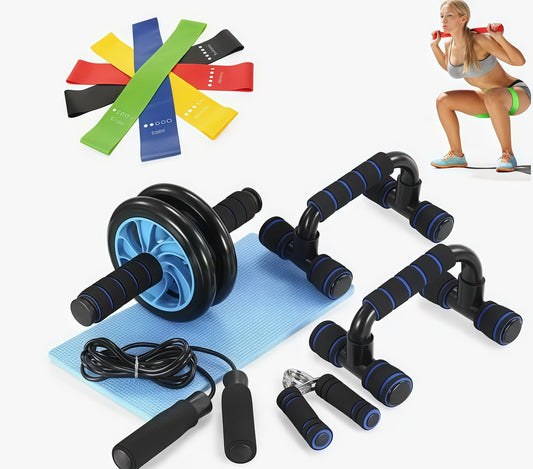
Abdominal Wheel Fitness Combo Set for Core Ab Workouts Kit
Regular price $33Regular price$70Sale price $33Sale -
Multifunctional Yoga Stretching Chair for Flexible Workouts
Regular price $73Regular price$150Sale price $73Sale -
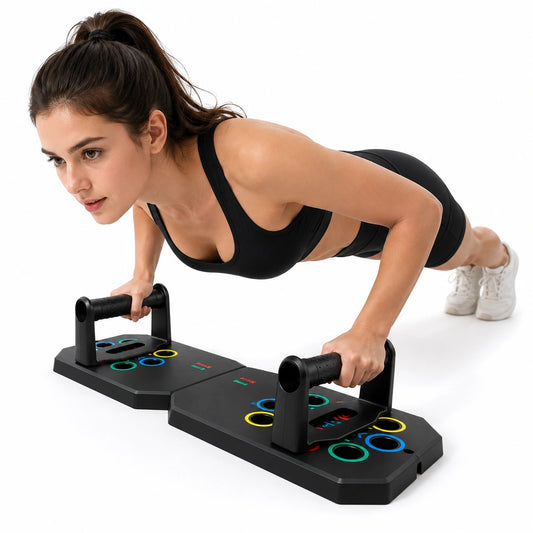
Multifunctional Portable Push-Up Training Board for Home Gym
Regular price $31Regular price$64Sale price $31Sale -
Bird-Shaped Handle Hook Gantry Rack Fitness Gym Accessory
Regular price $15Regular price$34Sale price $15Sale -
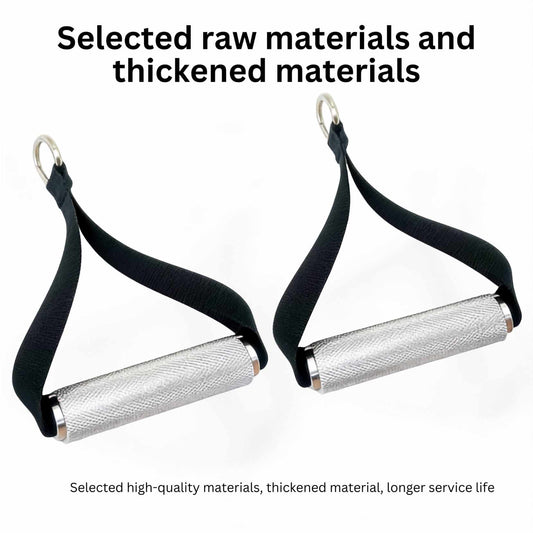
TPE Elastic Resistance Bands Set with Handles for Home Gym
Regular price $27Regular price$57Sale price $27Sale -
TPE Resistance Bands Set with Handles for Home Gym Workouts
Regular price $19Regular price$39Sale price $19Sale
For-gym
For-gym essentials help make workouts more organized, comfortable, and convenient. From supportive accessories and hydration tools to recovery and personal-care items, the right products can complement your fitness routine. Explore practical options designed for training at home, fitness centers, or while traveling.
What Are For-Gym Essentials?
For-gym essentials are practical products that support exercise, hydration, organization, hygiene, comfort, and post-workout recovery. They may include fitness equipment, workout accessories, water bottles, gym bags, towels, resistance tools, and personal-care items used before, during, or after training.
The right gym essentials depend on your workout style, fitness level, training location, available space, and personal goals. A home workout may require different equipment from a routine performed at a commercial gym.
Common Types of Gym Essentials
|
Gym-essential category |
Common purpose |
|
Strength equipment |
Supports resistance and muscle-strengthening exercises |
|
Cardio equipment |
Supports walking, running, cycling, and endurance training |
|
Workout accessories |
Adds variety, convenience, or support to exercise routines |
|
Hydration products |
Keep water or preferred drinks accessible during training |
|
Gym bags and organizers |
Help carry and separate clothing, footwear, and accessories |
|
Towels and hygiene items |
Support cleanliness before and after workouts |
|
Recovery tools |
May complement stretching, mobility, and post-workout routines |
|
Home-gym storage |
Helps keep workout equipment organized and accessible |
Basic Essentials to Carry to the Gym
A practical gym bag may include:
-
A refillable water bottle
-
A clean workout towel
-
Appropriate athletic footwear
-
Comfortable exercise clothing
-
Personal hygiene products
-
Any permitted training accessories
-
A change of clothes
-
A secure pouch for personal belongings
Avoid packing unnecessary items that add weight without supporting your routine.
Choosing Products for Your Workout
Before purchasing gym equipment or accessories, consider:
-
Your preferred type of exercise
-
Product dimensions and weight capacity
-
Available workout and storage space
-
Material quality and durability
-
Comfort and adjustability
-
Cleaning and maintenance instructions
-
Manufacturer warnings and intended use
Beginners can start with a few versatile products and add equipment as their routines develop. Adjustable dumbbells, resistance bands, exercise mats, and hydration accessories may suit many home-gym setups, but every product should be selected according to personal ability and available space.
Explore Gym Equipment and Workout Accessories
The right gym equipment and workout accessories can make exercise more organized, versatile, and convenient. Whether you are creating a home gym, updating your current setup, or carrying essentials to a fitness center, choose products that match your training goals, experience level, space, and budget.
A practical collection may include strength-training equipment, cardio accessories, exercise mats, hydration products, storage solutions, and recovery tools.
Types of Gym Equipment
|
Equipment category |
Common examples |
Typical use |
|
Strength equipment |
Dumbbells, kettlebells, weight plates, and bars |
Resistance and strength training |
|
Functional training gear |
Resistance bands, suspension straps, and medicine balls |
Full-body and movement-based workouts |
|
Cardio equipment |
Treadmills, exercise bikes, steppers, and jump ropes |
Cardiovascular and endurance exercise |
|
Core-training products |
Ab rollers, exercise balls, and sliders |
Core-focused movements |
|
Mobility equipment |
Foam rollers, stretching straps, and massage tools |
Stretching and post-workout routines |
|
Protective surfaces |
Exercise mats and floor-protection tiles |
Cushioning and equipment-area protection |
Useful Workout Accessories
Smaller gym accessories can support different parts of a fitness routine. Options may include:
-
Refillable water bottles
-
Workout towels
-
Gym bags and organizers
-
Resistance bands
-
Lifting straps and gloves
-
Exercise mats
-
Timers and fitness trackers
-
Equipment-cleaning supplies
-
Storage racks and holders
-
Recovery and mobility tools
Select accessories because they serve a clear purpose rather than simply adding more items to your routine.
Choosing Equipment for a Home Gym
Before buying fitness equipment for a home gym, consider:
-
Your preferred workouts and fitness goals
-
Available floor and storage space
-
Ceiling height and safe clearance
-
Product dimensions and weight capacity
-
Flooring and surface protection
-
Assembly and maintenance requirements
-
Whether the equipment can be adjusted or stored easily
Versatile, compact products may be helpful in apartments, bedrooms, garages, and shared workout spaces. Adjustable dumbbells and resistance tools can support multiple exercises without requiring numerous separate pieces.
Shop With Safety in Mind
Read the product specifications, inspect equipment before each use, and follow all assembly and exercise instructions. Stop using products that are cracked, loose, unstable, or otherwise damaged. Large machines and heavy equipment should be placed on appropriate surfaces with adequate surrounding space.
Essential Products for an Effective Gym Routine
An effective gym routine begins with clear goals, consistent training, and equipment suited to your ability and workout environment. The right gym essentials can support hydration, organization, exercise variety, hygiene, and post-workout care without making your routine unnecessarily complicated.
Focus on practical products that serve a specific purpose and can be used safely and consistently.
Gym Essentials for Each Stage of a Workout
|
Workout stage |
Useful products |
Purpose |
|
Before training |
Gym bag, water bottle, exercise mat, and workout plan |
Helps you arrive organized and prepared |
|
Warm-up |
Resistance bands, mobility ball, or stretching strap |
Supports gradual movement preparation |
|
Strength training |
Dumbbells, kettlebells, bands, or bodyweight accessories |
Adds resistance and exercise variety |
|
Cardio training |
Jump rope, treadmill, exercise bike, or step platform |
Supports endurance-focused workouts |
|
During exercise |
Water bottle, towel, timer, and suitable footwear |
Supports hydration, comfort, and organization |
|
After training |
Foam roller, massage tool, clean towel, and hygiene items |
Complements cooldown and post-workout routines |
Basic Products to Pack in a Gym Bag
A well-organized gym bag may include:
-
A refillable water bottle
-
A clean workout towel
-
Appropriate athletic footwear
-
A change of clothing
-
Personal hygiene products
-
Headphones in a protective case
-
Any permitted training accessories
-
A separate pouch for used clothing
-
A lock when required by the facility
Choose a bag with enough space for your routine without making it unnecessarily heavy.
Versatile Equipment for Different Workouts
For home or fitness-center training, multipurpose products can support several types of exercise. Depending on your goals, consider:
-
Adjustable dumbbells
-
Resistance bands
-
An exercise mat
-
A jump rope
-
Exercise sliders
-
An adjustable bench
-
A stability ball
-
Mobility and recovery tools
Check product dimensions, resistance levels, weight capacities, and space requirements before purchasing.
Choosing the Right Gym Products
Not every workout requires specialized equipment. Select products based on:
-
Your fitness goals and preferred exercises
-
Current experience and ability
-
Available training and storage space
-
Product adjustability and durability
-
Comfort, fit, and intended use
-
Cleaning and maintenance requirements
-
Manufacturer instructions and warnings
Inspect equipment before each workout and stop using anything that appears damaged, unstable, or excessively worn. Explore Vendula Care for-gym products for organized training at home, at a fitness center, or while traveling. Seek qualified guidance before beginning a new or significantly more demanding exercise program.
Fitness Equipment for a Home Gym
Fitness equipment for a home gym can make regular exercise more convenient by giving you a dedicated training space. Whether you are working with a spare room, garage, basement, or small apartment, the right setup should reflect your fitness goals, available space, experience level, and budget.
Start with versatile home workout equipment that supports the exercises you perform most often. Additional products can be added gradually as your routine develops.
Home Gym Equipment by Workout Type
|
Workout type |
Equipment options |
Space required |
|
Strength training |
Adjustable dumbbells, kettlebells, resistance bands, and a bench |
Small to medium |
|
Cardio training |
Jump rope, step platform, exercise bike, or treadmill |
Small to large |
|
Bodyweight exercise |
Exercise mat, push-up handles, sliders, and pull-up equipment |
Small |
|
Core training |
Ab roller, stability ball, resistance bands, and sliders |
Small to medium |
|
Mobility work |
Foam roller, massage ball, and stretching strap |
Small |
|
Functional training |
Suspension straps, medicine balls, and resistance bands |
Small to medium |
Essential Equipment for a Small Home Gym
You do not need a large room or several machines to begin. A compact home gym may include:
-
An exercise mat
-
Adjustable dumbbells
-
Resistance bands with different tension levels
-
A jump rope, when ceiling height and flooring permit
-
Exercise sliders
-
A foam roller or mobility tool
-
A rack, bin, or wall-safe storage system
Equipment that is adjustable, foldable, or easy to store can help make better use of limited space.
Planning Your Home Workout Area
Before purchasing home gym equipment, measure the room and consider:
-
Floor dimensions and ceiling height
-
Clearance needed around each product
-
Equipment dimensions during use and storage
-
Flooring strength and surface protection
-
Ventilation and lighting
-
Electrical outlet locations
-
Noise and vibration in shared buildings
-
Access for assembly and delivery
Large machines may require more clearance than their listed product dimensions suggest. Review all placement and assembly instructions before purchasing.
How to Choose Home Fitness Equipment
Look for equipment that matches your present ability and intended exercises. Compare:
-
Weight or resistance range
-
Product weight capacity
-
Adjustability and comfort
-
Stability during use
-
Storage requirements
-
Assembly and maintenance needs
-
Warranty and replacement-part information
-
Manufacturer warnings and specifications
Home Gym Safety and Maintenance
Place equipment on a stable surface and inspect it before every workout. Tighten components according to the instructions, keep the floor clear, and stop using equipment that becomes loose, cracked, unstable, or excessively worn.
Adjustable Dumbbells for Home Gym Workouts
Adjustable dumbbells offer multiple weight settings in a compact design, making them a practical option for home gym workouts. Instead of storing several fixed-weight pairs, users can change the resistance to suit different exercises, muscle groups, and stages of a training routine.
They may be useful for strength training in apartments, bedrooms, garages, and other spaces where storage is limited. The right set should match your current ability, intended exercises, available space, and preferred adjustment system.
Types of Adjustable Dumbbells
|
Adjustment type |
How it works |
What to consider |
|
Dial system |
A dial selects the desired weight |
Fast changes, but the mechanism requires careful handling |
|
Selector-pin system |
A pin or slider chooses the weight setting |
Convenient for workout transitions |
|
Plate-loaded system |
Weight plates are manually added or removed |
Simple design but slower adjustments |
|
Spin-lock system |
Threaded collars secure weight plates |
Compact and customizable, though changes take time |
Always confirm that the plates or internal weights are fully secured before lifting.
Benefits of Adjustable Dumbbells
Adjustable dumbbells may provide:
-
Multiple weight options in one set
-
More efficient use of home gym space
-
Resistance choices for upper- and lower-body exercises
-
Easier progression as strength improves
-
Less storage than a full rack of fixed dumbbells
-
Flexibility for households with multiple users
The available weight range and adjustment increments vary by product, so review the specifications carefully.
Exercises Using Adjustable Dumbbells
Depending on your experience and professional guidance, adjustable dumbbells may be used for:
-
Biceps curls
-
Shoulder presses
-
Bent-over rows
-
Floor or bench presses
-
Goblet squats
-
Lunges
-
Romanian deadlifts
-
Farmer’s carries
Use a weight that allows controlled movement and proper technique. Increasing resistance too quickly can make it harder to maintain safe form.
Choosing Adjustable Dumbbells for a Home Gym
Compare these features before purchasing:
-
Minimum and maximum weight
-
Size of each weight increment
-
Handle shape and grip texture
-
Locking or selection mechanism
-
Overall dumbbell length
-
Storage tray or stand
-
Product dimensions and weight capacity
-
Warranty and replacement-part availability
Safe Use and Storage
Inspect each dumbbell before use and verify that its adjustment mechanism is locked. Avoid dropping adjustable models unless the manufacturer specifically states that they are designed for impact. Store them on a stable tray or rack away from walkways, children, and pets.
Strength-Training Equipment for Different Fitness Goals
Strength-training equipment can support a wide range of workout goals, from learning basic resistance exercises to developing muscular strength, endurance, and functional movement. The right equipment depends on your current ability, training experience, available space, preferred exercises, and workout plan.
No single product is ideal for every goal. Choose equipment that offers an appropriate resistance range, feels stable during use, and allows you to perform movements with controlled technique.
Strength Equipment by Fitness Goal
|
Fitness goal |
Equipment options |
What to consider |
|
Beginner strength training |
Resistance bands, light dumbbells, and bodyweight accessories |
Simple movements and manageable resistance |
|
General strength |
Adjustable dumbbells, kettlebells, barbells, and benches |
Progressive resistance and exercise variety |
|
Muscular endurance |
Resistance bands, lighter weights, and medicine balls |
Controlled higher-repetition workouts |
|
Muscle development |
Dumbbells, barbells, weight plates, benches, and racks |
A suitable range of progressive resistance |
|
Functional fitness |
Kettlebells, suspension trainers, sandbags, and resistance bands |
Multidirectional and full-body movements |
|
Core training |
Exercise balls, ab rollers, sliders, and cable attachments |
Stability, control, and appropriate progression |
|
Compact home workouts |
Adjustable dumbbells, bands, and foldable benches |
Storage space and multipurpose use |
Common Types of Strength-Training Equipment
Popular strength equipment includes:
-
Dumbbells and adjustable dumbbells
-
Kettlebells
-
Resistance bands and tubes
-
Barbells and weight plates
-
Weight benches
-
Squat racks and power cages
-
Cable and pulley systems
-
Medicine balls
-
Suspension trainers
-
Push-up handles and dip stations
Each product has different space, setup, and safety requirements. Check the specifications before adding equipment to a home gym.
Choosing Equipment for Your Experience Level
Beginners may benefit from versatile equipment with smaller resistance increments. More experienced users may need heavier loads, racks, benches, or cable systems that accommodate a broader exercise program.
Before purchasing, compare:
-
Minimum and maximum resistance
-
Weight capacity
-
Adjustability
-
Product dimensions
-
Stability and grip
-
Storage requirements
-
Assembly and maintenance needs
-
Manufacturer warnings and warranty details
Creating a Balanced Strength-Training Setup
A balanced home gym does not require every available machine. Begin with equipment that supports major movement patterns, such as pushing, pulling, squatting, hinging, carrying, and controlled core work. Add specialized products only when they serve a clear purpose in your routine.
Inspect equipment before each workout, secure all pins and collars, and keep the surrounding floor clear. Use a spotter or appropriate safety equipment when required.
Cardio Equipment for Home and Gym Training
Cardio equipment supports walking, running, cycling, rowing, stepping, and other endurance-focused workouts. Whether you exercise at home or in a fitness center, the right machine should match your preferred movement, current ability, available space, and training goals.
For home gym use, consider equipment size, noise, storage, electrical requirements, and floor protection before purchasing.
Popular Types of Cardio Equipment
|
Cardio equipment |
Training style |
Key considerations |
|
Treadmill |
Walking, jogging, and running |
Motor capacity, belt size, speed range, incline, and cushioning |
|
Exercise bike |
Seated cycling |
Seat adjustment, resistance range, stability, and footprint |
|
Elliptical machine |
Low-impact, full-body movement |
Stride length, resistance, handle design, and ceiling clearance |
|
Rowing machine |
Full-body, rowing-based exercise |
Resistance type, rail length, technique, and storage |
|
Stair stepper |
Stepping and climbing movements |
Step height, resistance, balance, and machine stability |
|
Jump rope |
Portable cardio exercise |
Ceiling height, flooring, rope length, and impact tolerance |
|
Under-desk exerciser |
Light pedaling while seated |
Desk clearance, resistance, stability, and intended use |
Choosing a Treadmill or Running Machine for Home
A gym running machine for home workouts should fit both the user and the room. Before selecting a treadmill, compare:
-
Walking or running belt dimensions
-
Maximum speed and incline settings
-
User weight capacity
-
Motor and electrical specifications
-
Handrail and emergency-stop features
-
Folded and unfolded dimensions
-
Noise and vibration levels
-
Assembly and maintenance requirements
Allow adequate clearance around the machine and follow the manufacturer’s placement guidance.
Cardio Equipment for Small Spaces
Apartments and multipurpose rooms may benefit from compact options such as:
-
Foldable walking pads or treadmills
-
Compact exercise bikes
-
Jump ropes
-
Mini steppers
-
Under-desk pedal exercisers
-
Foldable rowing machines
“Compact” does not always mean easy to move. Check the product weight, transport wheels, storage dimensions, and safe lifting instructions.
How to Select the Right Cardio Machine
Choose equipment based on the movement you are likely to perform consistently. Also consider:
-
Current fitness and mobility level
-
Workout intensity and frequency
-
Space and ceiling height
-
Noise restrictions
-
Adjustability for multiple users
-
Display and monitoring features
-
Cleaning and maintenance needs
-
Warranty and replacement-part availability
Cardio Equipment Safety
Read all setup and operating instructions before use. Begin at a manageable pace, wear appropriate footwear, and use available safety features. Keep children, pets, cords, clothing, and loose objects away from moving components.
Gym Accessories for Comfort and Performance
Gym accessories can make workouts more organized, comfortable, and convenient. From exercise mats and lifting gloves to water bottles and resistance bands, the right products can support your routine without replacing proper technique, suitable equipment, or consistent training.
Choose accessories based on your workout style, experience level, fit, and intended use—not simply because they are popular.
Useful Accessories for Different Workouts
|
Gym accessory |
Common purpose |
Suitable activities |
|
Exercise mat |
Provides a defined, cushioned workout surface |
Stretching, mobility, yoga, and floor exercises |
|
Resistance bands |
Adds portable resistance |
Strength, warm-up, mobility, and home workouts |
|
Lifting gloves |
May improve grip comfort and reduce hand friction |
Dumbbell, barbell, and machine exercises |
|
Lifting straps |
Assist grip during certain pulling movements |
Rows, deadlifts, and other advanced lifts |
|
Workout towel |
Helps manage sweat and supports shared-equipment hygiene |
Most gym activities |
|
Water bottle |
Keeps fluids accessible during training |
Home, gym, and outdoor workouts |
|
Gym bag |
Organizes clothing, footwear, and accessories |
Fitness-center and travel routines |
|
Exercise timer |
Helps organize intervals and rest periods |
Circuit, interval, and strength training |
|
Foam roller |
Complements mobility and post-workout routines |
Warm-up, cooldown, and recovery sessions |
Accessories for Workout Comfort
Comfort-focused gym products may include:
-
Cushioned exercise mats
-
Sweat-resistant towels
-
Adjustable gloves and straps
-
Breathable headbands or wristbands
-
Padded bar or equipment covers
-
Supportive athletic footwear
-
Secure holders for phones and water bottles
Comfort should never come at the expense of stability or safe movement. Stop using any product that slips, restricts circulation, changes your balance, or causes pain.
Accessories That Support Training Performance
Some gym accessories may help you organize resistance, intervals, or movement patterns. Resistance bands can add exercise variety, while timers can structure work and rest periods. Lifting straps may assist grip in specific exercises, but they should be used only when appropriate for the movement and your experience level.
No accessory can guarantee better results. Progress depends on factors such as consistent training, appropriate resistance, recovery, nutrition, and technique.
How to Choose Gym Accessories
Before purchasing, review:
-
Product size and fit
-
Material and grip
-
Resistance or weight rating
-
Adjustability
-
Cleaning requirements
-
Compatibility with existing equipment
-
Manufacturer directions and warnings
-
Storage and portability
Inspect accessories regularly for cracks, fraying, loose fasteners, worn surfaces, or other damage. Replace damaged products rather than attempting to continue using them.
FAQs
What equipment do I need for a home gym?
A basic home gym may include an exercise mat, adjustable dumbbells, resistance bands, hydration products, and storage suited to your workout space.
How do I choose the right gym equipment?
Choose gym equipment based on your fitness goals, experience, available space, weight capacity, adjustability, safety features, and intended use.
Are adjustable dumbbells suitable for a home gym?
Adjustable dumbbells provide multiple resistance settings in a compact format, making them practical for many home strength-training routines.
How should I clean gym equipment?
Follow the manufacturer’s cleaning directions, use material-compatible products, avoid soaking electrical components, and dry all surfaces before use.
How should gym equipment be stored at home?
Store gym equipment in a clean, dry, organized area away from walkways, children, and pets, using stable racks or containers when appropriate.