Foot Pain Relief Products & Insoles
-
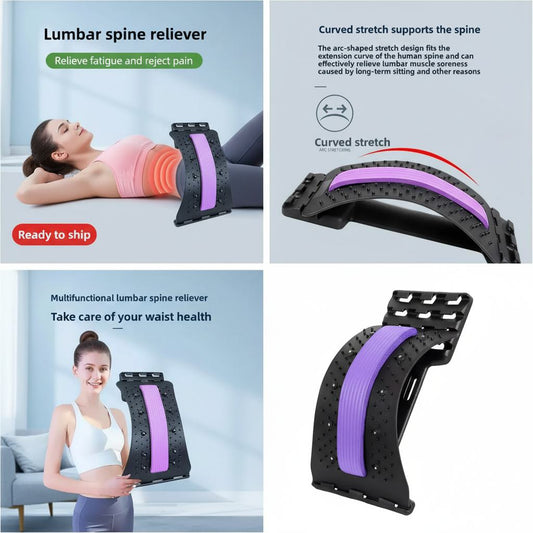
Lumbar Spine Stretching Massage Cushion for Back Support
Regular price $21Regular price$47Sale price $21Sale -
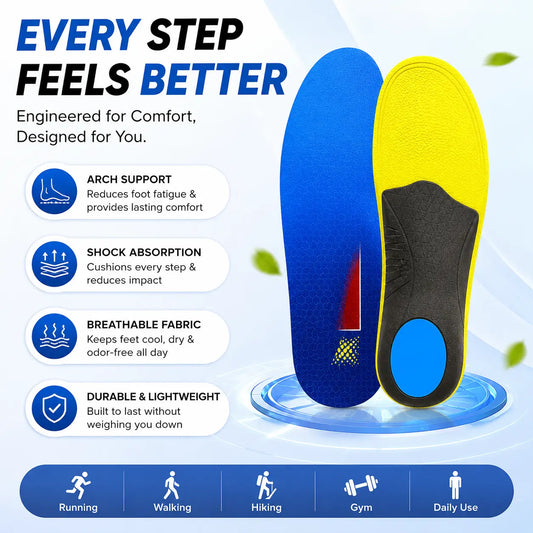
Arch Support Insoles for Flat Feet and Plantar Fasciitis Pain
Regular price $20Regular price$49Sale price $20Sale -
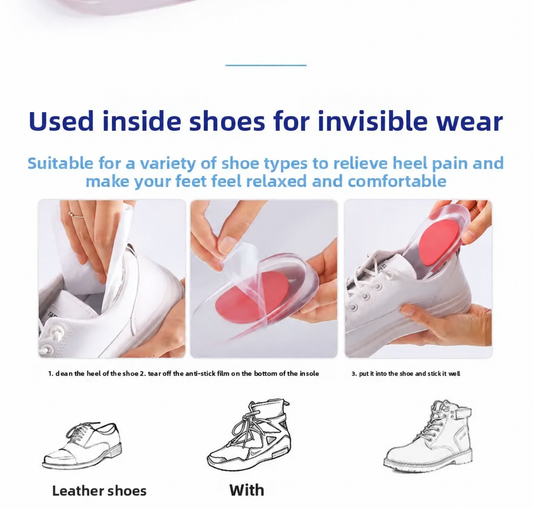
Heel Support Insoles for Men and Women – Everyday Comfort
Regular price $10Regular price$25Sale price $10Sale -
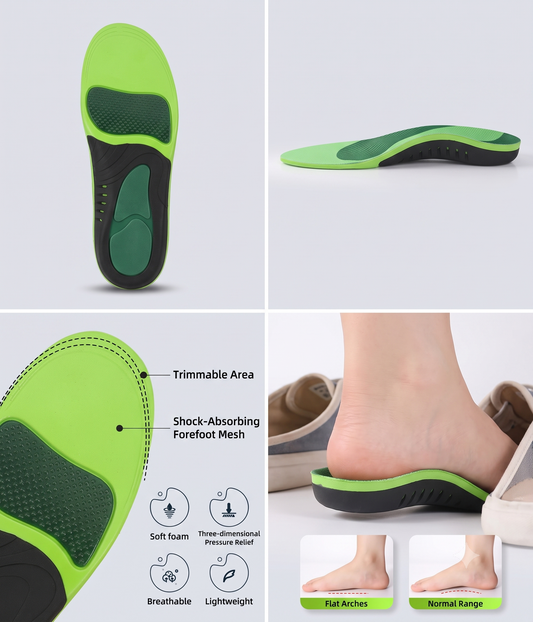
Orthopedic Arch Support Insoles for Walking and Standing
Regular price $11Regular price$25Sale price $11Sale -
Orthotic Arch Support Insoles for Flat Feet & Heel Comfort
Regular price $13Regular price$27Sale price $13Sale -
Orthopedic Arch Support Insoles for Daily Foot Pain Relief
Regular price $8Regular price$17Sale price $8Sale -
Thumb Toe Correction Orthotic Device for Adjustable Support
Regular price $11Regular price$29Sale price $11Sale
Foot Pain
Foot-pain can affect walking, standing, exercising, and completing everyday activities comfortably. Explore supportive products designed to improve cushioning, stability, and daily comfort for tired or sensitive feet. Vendula Care offers practical foot-care solutions for use at home, work, or while staying active throughout the day.
What Is Foot Pain?
Foot pain is discomfort that can occur anywhere in the foot, including the toes, ball, arch, heel, sides, or top. It may feel like aching, burning, tenderness, stiffness, tingling, or sharp pain, depending on the affected area and possible cause.
Where Can Foot Pain Occur?
The foot contains bones, joints, muscles, tendons, ligaments, nerves, and other soft tissues. Discomfort can develop when one or more of these structures becomes irritated, strained, injured, or placed under repeated pressure.
Common Areas of Foot Discomfort
Foot pain may affect:
-
The heel
-
The arch
-
The ball of the foot
-
The top of the foot
-
The inside or outside edge
-
The toes
-
The sole
-
The ankle and surrounding area
What Can Cause Foot Pain?
Foot pain can result from everyday strain, prolonged standing, high-impact activities, unsuitable footwear, or an injury. It may also be associated with changes in foot structure, nerve irritation, inflammation, or an underlying health condition.
Everyday Factors That May Contribute
Common contributing factors may include:
-
Standing or walking for extended periods
-
Wearing shoes that are tight, unsupportive, or poorly fitted
-
Increasing activity levels too quickly
-
Repetitive pressure from work or exercise
-
Limited shoe cushioning or arch support
-
Age-related changes in the feet
-
Excessive pressure on a specific area
Can Supportive Products Help With Foot Pain?
Cushioned insoles, arch supports, heel cups, toe cushions, and supportive footwear may improve comfort or reduce pressure during everyday activities. The appropriate option depends on the location and cause of the discomfort.
Foot Supports Are Not a Medical Diagnosis
A supportive product may help with general comfort, but it cannot identify or treat every cause of foot pain. Avoid choosing a product solely from symptoms without considering fit, support level, and professional guidance.
When Does Foot Pain Need Medical Attention?
Seek prompt medical care for severe pain, major swelling, an open wound, signs of infection, numbness, a suspected fracture, or an inability to bear weight. People with diabetes, poor circulation, or reduced foot sensation should contact a healthcare professional about new foot problems.
Common Causes of Foot Pain
Foot pain can develop from everyday strain, injury, unsuitable footwear, structural differences, or an underlying health condition. The possible cause often depends on where the discomfort occurs, how it feels, and whether it began suddenly or gradually.
Poorly Fitting or Unsupportive Footwear
Shoes that are too tight, narrow, loose, worn out, or lacking support may place unnecessary pressure on the feet. High heels can also shift body weight toward the toes and ball of the foot.
Signs Your Shoes May Be Contributing
Possible signs include rubbing, blisters, toe pressure, arch fatigue, heel discomfort, or pain that becomes worse after wearing a particular pair of shoes.
Prolonged Standing and Walking
Standing or walking for extended periods—especially on hard surfaces—can contribute to tired, aching feet. People working long shifts may experience discomfort in the heels, arches, or balls of their feet.
Repetitive Daily Pressure
Limited cushioning, insufficient rest, and repeated pressure on the same areas may increase foot fatigue during work, exercise, travel, or daily errands.
Exercise and Overuse
Running, jumping, hiking, or suddenly increasing physical activity can strain the muscles, tendons, and ligaments of the feet.
Rapid Changes in Activity
Increasing workout distance, intensity, or frequency too quickly may contribute to overuse-related discomfort. Appropriate footwear, gradual progression, and sufficient recovery are important.
Foot Injuries
Sprains, strains, bruises, and fractures can cause localized foot pain, swelling, tenderness, or difficulty bearing weight.
When an Injury Needs Attention
Seek prompt medical care if pain follows a significant injury, the foot appears deformed, swelling is severe, or you cannot walk or bear weight.
Structural Foot Differences
Flat feet, high arches, bunions, and differences in walking patterns may change how pressure is distributed across the feet.
Individual Support Needs Vary
Some people may benefit from supportive shoes, cushioned insoles, or arch supports, but proper fit and professional guidance are important.
Understanding Foot Pain by Location
The location of foot pain can provide useful clues about the structures under pressure, but it cannot confirm a diagnosis by itself. Discomfort may affect the heel, arch, ball, top, inside, outside, toes, or entire foot, and several conditions can produce similar symptoms.
Heel Pain
Heel pain may appear underneath or behind the heel. It can be associated with repetitive impact, prolonged standing, unsupportive footwear, irritation of the plantar fascia, or problems involving the Achilles tendon.
Pay Attention to Timing
Notice whether the discomfort is strongest during the first steps after resting, after prolonged activity, or while wearing certain shoes. This information may help a healthcare professional evaluate the problem.
Foot Arch Pain
Foot arch pain can develop after extensive walking, running, standing, or wearing shoes without adequate support. Flat feet, high arches, strained soft tissues, and changes in activity may also contribute.
Choosing Arch Support
The appropriate support depends on your arch shape, footwear, and comfort needs. An arch support should feel stable without creating painful pressure.
Ball of Foot Pain
Ball of foot pain affects the padded area behind the toes. High-impact activity, tight shoes, high heels, calluses, or concentrated pressure may contribute to discomfort in this region.
Reduce Forefoot Pressure
Roomy footwear, appropriate cushioning, and properly positioned metatarsal support may improve everyday comfort for some people.
Pain on Top of the Foot
Top of foot pain may be related to tight laces, footwear pressure, overuse, tendon irritation, or an injury. Sudden pain accompanied by swelling or difficulty walking requires medical evaluation.
Check Shoe Fit and Lacing
Loosening overly tight laces may reduce pressure, but ongoing or severe pain should not be managed through footwear changes alone.
Pain on the Inside of the Foot
Inside foot pain may affect the inner arch, ankle, or area near the big toe. Possible contributors include overuse, altered foot mechanics, bunions, tendon irritation, or poorly fitted shoes.
Do Not Rely on Location Alone
Different conditions can affect the same area, making professional assessment important when symptoms persist.
Pain on the Outside of the Foot
Outer foot pain may result from repetitive pressure, an ankle injury, overuse, or irritation involving bones, joints, or tendons along the foot’s outer edge.
Watch for Injury Warning Signs
Seek medical attention after a fall or twisting injury, especially if bruising, swelling, tenderness, or difficulty bearing weight is present.
Toe Pain
Toe pain may be associated with tight shoes, blisters, corns, ingrown toenails, joint irritation, bunions, or an injury.
Inspect the Skin and Nails
Look for redness, swelling, wounds, nail changes, or signs of infection. People with diabetes, poor circulation, or reduced sensation should seek professional advice promptly.
When to See a Healthcare Professional
Consult a podiatrist or qualified healthcare professional when foot pain is severe, worsening, persistent, or repeatedly returns. Seek prompt care for numbness, an open wound, signs of infection, major swelling, deformity, or an inability to bear weight.
What Causes Pain on Top of the Foot?
Pain on top of the foot can develop from footwear pressure, repetitive activity, tendon irritation, or injury. The discomfort may feel aching, burning, sharp, or tender and can become more noticeable while walking, running, bending the toes, or wearing closed shoes.
Tight Shoes or Laces
Shoes with a shallow upper, narrow fit, or tightly fastened laces can place pressure across the top of the foot. This may irritate the skin, nerves, tendons, or underlying structures.
Check Your Footwear Fit
Your shoes should provide enough room without allowing the foot to slide excessively. Adjusting the laces or choosing footwear with a more accommodating upper may reduce minor pressure-related discomfort.
Overuse and Sudden Activity Changes
Running, walking long distances, jumping, or rapidly increasing exercise intensity can place additional stress on the feet.
Gradually Increase Activity
Building distance and intensity gradually, wearing suitable footwear, and allowing time for recovery may help reduce overuse-related foot discomfort.
Tendon Irritation
The extensor tendons run along the top of the foot and help lift the toes. Repetitive movement, tight footwear, or sudden increases in physical activity may irritate these tendons.
Common Signs of Irritation
Discomfort may increase when lifting or moving the toes. Swelling or tenderness may also occur, but a healthcare professional should evaluate persistent symptoms.
Sprains, Bruises, and Stress Injuries
A fall, dropped object, twisting movement, or repeated impact can injure the bones and soft tissues on top of the foot. Stress injuries may develop gradually rather than after one obvious incident.
Do Not Ignore Worsening Pain
Seek medical attention if pain becomes more intense with activity, is focused over one area, or occurs with swelling, bruising, or difficulty bearing weight.
Joint and Nerve-Related Discomfort
Joint irritation, arthritis, nerve compression, or certain foot structures may also contribute to pain on top of the foot. These causes can produce stiffness, tingling, burning, or localized tenderness.
Symptoms Alone Cannot Confirm the Cause
Several foot conditions can feel similar. A physical examination and, when necessary, imaging may be required for an accurate diagnosis.
Supporting Everyday Foot Comfort
For mild discomfort without signs of serious injury, consider:
-
Resting from activities that aggravate the pain
-
Checking shoe fit and lacing pressure
-
Wearing supportive, properly fitted footwear
-
Avoiding sudden increases in exercise
-
Following professional guidance on insoles or supports
When to Seek Medical Care
Seek prompt medical care for severe pain, significant swelling, deformity, numbness, redness or warmth, an open wound, or an inability to walk. Consult a podiatrist or qualified healthcare professional if top of foot pain persists, worsens, or repeatedly returns.
Common Reasons for Ball of Foot Pain
Ball of foot pain affects the padded area between the arch and toes, known as the forefoot. It may feel like aching, burning, tingling, tenderness, or the sensation of stepping on a small object. Symptoms can become more noticeable when standing, walking, running, or wearing tight shoes.
Repeated Pressure on the Forefoot
Walking, running, jumping, or standing for extended periods can repeatedly load the ball of the foot. This pressure may irritate the bones, joints, and surrounding soft tissues.
High-Impact Activities
Sports and workouts involving frequent impact can increase forefoot stress, particularly when activity levels rise too quickly or footwear lacks sufficient cushioning.
Tight Shoes and High Heels
Narrow shoes can compress the toes, while high heels shift body weight toward the front of the feet. Both may increase pressure beneath the metatarsal bones and contribute to pain on the ball of the foot.
Choose an Accommodating Fit
Look for properly fitted footwear with a roomy toe box, appropriate cushioning, and a heel height suited to the activity.
Worn-Out or Unsupportive Footwear
Shoes lose cushioning and structural support over time. Continuing to wear heavily worn footwear may leave the forefoot less protected from repeated impact.
Inspect Your Shoes Regularly
Uneven soles, compressed cushioning, damaged interiors, and reduced stability may indicate that footwear needs replacing.
Changes in Foot Structure
High arches, flat feet, hammertoes, bunions, and differences in walking patterns can alter how pressure is distributed across the foot.
Support Needs Are Individual
Some people may benefit from supportive insoles, metatarsal pads, or cushioned footwear, but correct placement and fit are important.
Calluses and Skin Irritation
Thickened skin may develop in areas exposed to repeated rubbing or pressure. A callus can become tender and make walking uncomfortable.
Avoid Cutting Calluses at Home
A podiatrist can safely assess painful or recurring calluses, especially for people with diabetes, poor circulation, or reduced foot sensation.
Nerve and Joint Irritation
Morton’s neuroma, joint inflammation, arthritis, or irritation around the toes may cause burning, tingling, numbness, or sharp forefoot pain.
Similar Symptoms Can Have Different Causes
The location and sensation of pain alone cannot confirm a diagnosis. Persistent symptoms should be assessed by a qualified healthcare professional.
Supporting Ball of Foot Comfort
For mild discomfort without signs of injury, consider:
-
Reducing activities that worsen the pain
-
Wearing shoes with a wide toe box
-
Choosing appropriate forefoot cushioning
-
Replacing worn-out footwear
-
Increasing activity levels gradually
-
Using foot supports recommended for your needs
When to Seek Medical Care
Contact a healthcare professional if ball of foot pain persists, worsens, or interferes with walking. Seek prompt care for severe swelling, numbness, an open wound, signs of infection, a suspected injury, or an inability to bear weight.
What Causes Foot Arch Pain?
Foot arch pain is discomfort along the curved area between the heel and ball of the foot. It may feel like aching, tightness, tenderness, burning, or a sharp sensation. Arch pain can develop from repeated strain, unsuitable footwear, changes in activity, injury, or an underlying foot condition.
Prolonged Standing and Walking
Spending long hours on your feet can place repeated pressure on the arches, especially when standing or walking on hard surfaces.
Work-Related Foot Fatigue
People who work long shifts may notice aching arches later in the day. Supportive footwear, appropriate cushioning, rest breaks, and rotating tasks may help improve everyday comfort.
Flat Feet and Low Arches
Low or collapsed arches may change how weight moves across the feet. This can place additional strain on muscles, tendons, and ligaments during standing or movement.
Individual Support Requirements
Some people with flat feet may benefit from arch-support insoles, but overly firm or incorrectly positioned support can create additional pressure.
High Arches
High arches can concentrate pressure beneath the heel and ball of the foot. They may also reduce the foot’s natural ability to absorb impact.
Cushioning and Stability
Properly fitted shoes with appropriate cushioning and support may help distribute pressure more evenly during everyday activities.
Plantar Fascia Irritation
The plantar fascia is a thick band of tissue running along the bottom of the foot. Repetitive strain can irritate this tissue and contribute to discomfort through the heel or arch.
Notice When Pain Occurs
Arch or heel pain may be more noticeable during the first steps after rest or following prolonged activity. Persistent symptoms require professional evaluation.
Overuse and Sudden Activity Changes
Running, hiking, jumping, or rapidly increasing workout intensity can strain the structures supporting the arch.
Build Activity Gradually
Increase exercise duration and intensity progressively, wear activity-appropriate footwear, and allow sufficient recovery between demanding sessions.
Unsupportive or Worn-Out Shoes
Shoes with limited arch support, compressed cushioning, or unevenly worn soles may contribute to foot arch pain.
Review Footwear Condition
Replace shoes when cushioning and support have noticeably deteriorated. Select footwear based on fit, activity, and individual comfort rather than appearance alone.
Sprains and Tendon Problems
A twisting injury or irritated tendon can produce pain along the inside, outside, or underside of the arch. Swelling, bruising, or difficulty bearing weight may indicate an injury needing medical attention.
Supporting Everyday Arch Comfort
For mild arch discomfort without signs of a serious injury, consider:
-
Reducing activities that aggravate the pain
-
Wearing properly fitted, supportive shoes
-
Replacing worn-out footwear
-
Using insoles suitable for your arch type
-
Increasing exercise levels gradually
-
Following professional stretching guidance
When to Seek Medical Care
Consult a podiatrist or qualified healthcare professional if foot arch pain persists, worsens, repeatedly returns, or affects walking. Seek prompt care for severe pain, major swelling, numbness, redness, an open wound, deformity, or an inability to bear weight.
Understanding Pain on the Inside of the Foot
Pain on the inside of the foot may affect the inner arch, area below the ankle, or joint near the big toe. It can feel like aching, burning, stiffness, tenderness, or sharp pain during standing, walking, running, or other daily activities.
Common Causes of Inside Foot Pain
Several bones, muscles, tendons, ligaments, and joints are located along the inner foot. The table below outlines possible contributors, but symptoms alone cannot confirm a diagnosis.
|
Location of Pain |
Possible Contributor |
Common Pattern |
|
Inner arch |
Repetitive strain or plantar fascia irritation |
Discomfort after rest or prolonged activity |
|
Below the inner ankle |
Posterior tibial tendon irritation |
Pain or swelling during walking |
|
Inner edge near the big toe |
Bunion or shoe pressure |
Rubbing, tenderness, or a visible bump |
|
Across the inner foot |
Flat feet or overpronation |
Aching after standing or walking |
|
One focused area |
Sprain, bruise, or stress injury |
Localized tenderness or swelling |
Strain Along the Inner Arch
Prolonged standing, repetitive movement, hard walking surfaces, and sudden increases in physical activity may strain the tissues supporting the arch.
Activities That May Aggravate Pain
Long work shifts, extended walks, running, jumping, and wearing unsupportive footwear can make inner arch pain more noticeable.
Flat Feet and Overpronation
Flat feet or excessive inward rolling may place additional stress along the inside of the foot and ankle. However, flat feet do not cause discomfort for everyone.
Choosing Appropriate Support
Supportive footwear or arch-support insoles may improve comfort for some people. The support should fit properly and should not cause pressure, numbness, or additional pain.
Posterior Tibial Tendon Irritation
The posterior tibial tendon runs along the inside of the ankle and helps support the arch. Repetitive strain or injury may cause pain, swelling, or weakness in this area.
When Professional Assessment Is Important
A healthcare professional should evaluate persistent swelling, weakness, difficulty walking, or noticeable changes in the shape of the arch.
Bunions and Big-Toe Joint Pressure
A bunion may produce a visible bump near the base of the big toe. Narrow or tight footwear can increase rubbing and pressure along the inside of the foot.
Footwear Features to Consider
|
Feature |
Potential Comfort Benefit |
|
Wide toe box |
Reduces crowding around the toes |
|
Soft upper material |
May limit rubbing over sensitive areas |
|
Low, stable heel |
Helps reduce forward pressure |
|
Secure fit |
Limits unnecessary sliding |
|
Appropriate cushioning |
Helps soften everyday impact |
Supporting Everyday Foot Comfort
For mild discomfort without signs of serious injury:
-
Reduce activities that aggravate the pain
-
Wear properly fitted, supportive footwear
-
Replace shoes with worn cushioning or uneven soles
-
Increase exercise duration gradually
-
Choose foot supports suited to your foot shape
-
Follow guidance from a qualified healthcare professional
When to Seek Medical Care
Consult a podiatrist or healthcare professional if inside foot pain persists, worsens, repeatedly returns, or interferes with walking. Seek prompt care for severe pain, major swelling, numbness, redness, warmth, an open wound, deformity, or an inability to bear weight.
FAQs
How to Relieve Pain on the Bottom of the Foot?
Rest from aggravating activities, wear supportive shoes, and consider suitable cushioning or arch support; seek medical advice if the pain persists, worsens, or affects walking.
How to Get Rid of Pain on Top of the Foot?
Loosen tight footwear, reduce high-impact activities, and rest the foot, but consult a healthcare professional for swelling, severe pain, injury, or difficulty bearing weight.
How to Relieve Foot Pain?
Mild foot pain may improve with rest, properly fitted footwear, appropriate cushioning, and reduced activity, depending on its cause and location.
How to Ease Foot Pain?
Avoid activities that worsen your symptoms, replace worn-out shoes, and use suitable foot support while monitoring the pain for any changes.
How to Help Foot Pain?
Identify where and when the discomfort occurs, choose supportive footwear, and consult a podiatrist if the pain is persistent, recurring, severe, or accompanied by numbness or swelling.