Back Pain Relief Braces & Supports
-
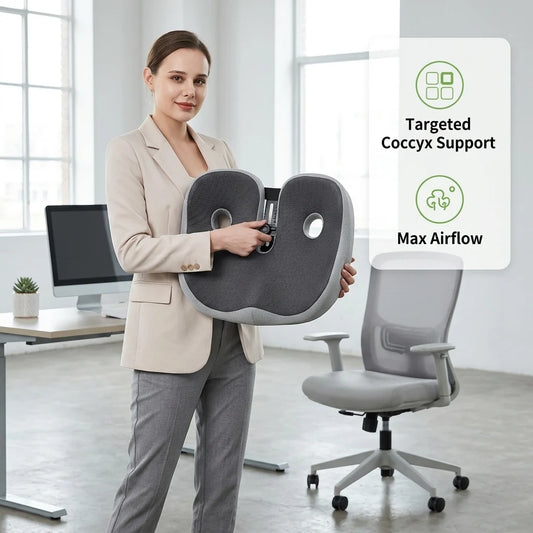
Ergonomic Memory Foam Car Cushion for Office and Travel Use
Regular price $23Regular price$55Sale price $23Sale -
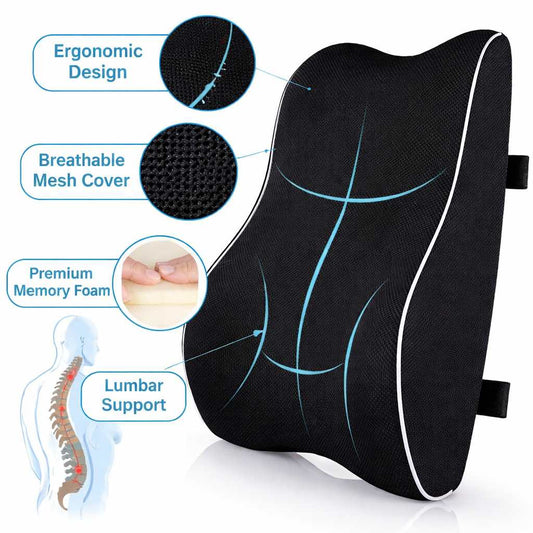
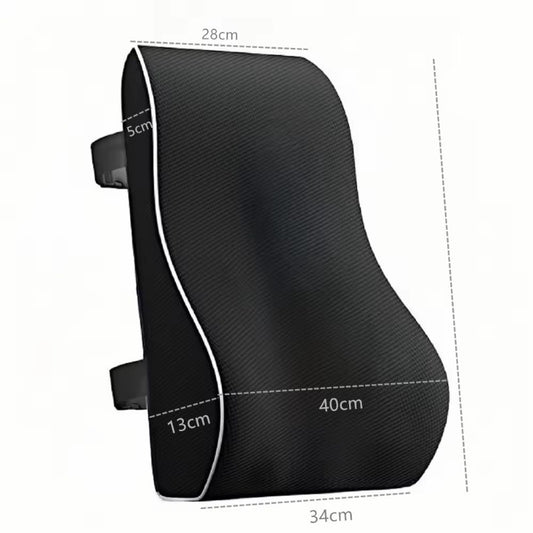
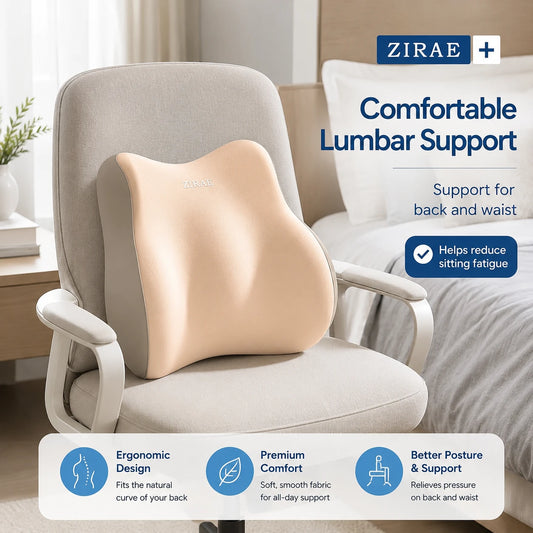
Memory Foam Lumbar Cushion for Office Chair and Car Seat
Regular price $21Regular price$59Sale price $21Sale -
Memory Foam Seat Cushion for All-Day Comfort and Support
Regular price $25Regular price$54Sale price $25Sale -
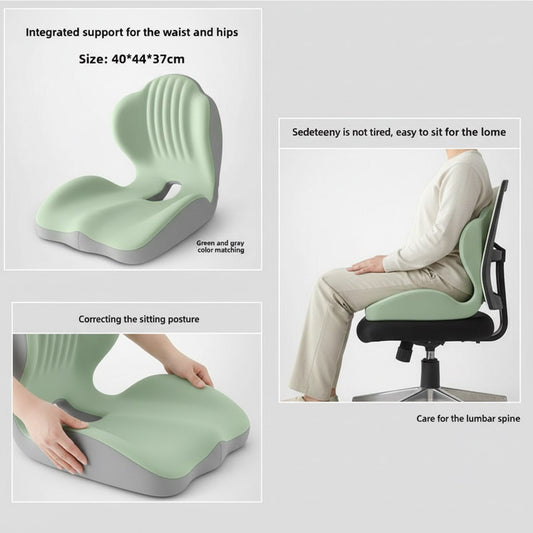
Ergonomic Memory Foam Seat Cushion with Lumbar Back Support
Regular price $31Regular price$65Sale price $31Sale -
Lumbar Support Office Chair Cushion & Latex Seat Cushion
Regular price $47Regular price$97Sale price $47Sale -
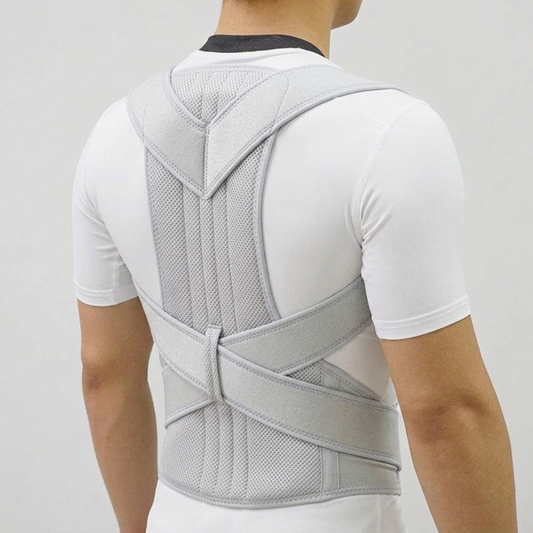
Spinal Orthotic Back Brace for Posture Support & Pain Relief
Regular price $11Regular price$29Sale price $11Sale -
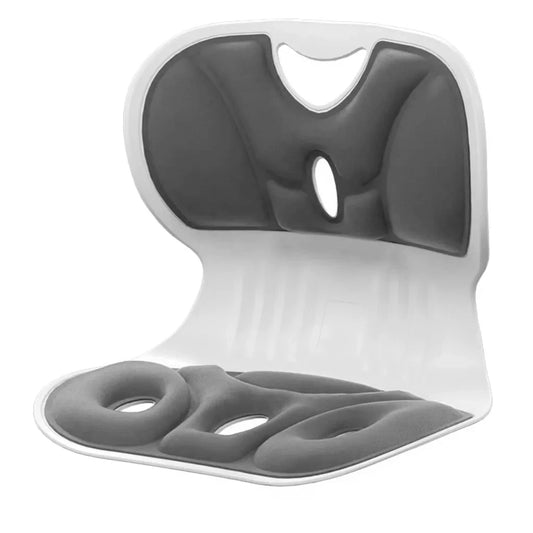
Ergonomic Office Seat Cushion for Posture and Hip Support
Regular price $78Regular price$159Sale price $78Sale
Back-pain
Back-pain can affect sitting, standing, sleeping, exercising, and other everyday activities. It may develop from muscle strain, injury, prolonged positioning, or an underlying condition. Explore supportive products designed to complement comfortable routines at home, at work, and while traveling, with guidance when symptoms persist.
What Is Back Pain?
Back pain is discomfort that develops anywhere from the upper back and shoulders to the lower spine and buttocks. It may feel like a dull ache, muscle tightness, burning, stiffness, or sharp pain that worsens with certain movements or positions.
Back pain can begin suddenly after lifting, twisting, or falling, or develop gradually through repetitive activity, prolonged positioning, age-related changes, or an underlying health condition. The intensity of pain does not always reveal the seriousness of its cause.
Common Back-Pain Locations
|
Location |
Area affected |
How it may feel |
|
Upper back pain |
Neck base, shoulders, and upper spine |
Tightness, aching, stiffness, or burning |
|
Middle back pain |
Area around the rib cage |
Localized aching, tenderness, or sharp pain |
|
Lower back pain |
Lumbar spine and surrounding muscles |
Stiffness, dull aching, spasms, or sharp discomfort |
|
Radiating back pain |
Back into the buttock, hip, or leg |
Burning, tingling, numbness, or shooting pain |
Lower back pain is especially common because the lumbar region supports much of the upper body and is involved in lifting, bending, sitting, standing, and walking.
Acute and Chronic Back Pain
Back pain may be described according to how long it lasts:
-
Acute back pain: Begins suddenly and lasts for a relatively short period.
-
Subacute back pain: Continues beyond the initial acute period but has not become long-term.
-
Chronic back pain: Persists or repeatedly returns for several months or longer.
Only a healthcare professional can determine the likely cause and recommend an appropriate treatment plan.
Symptoms That May Accompany Back Pain
Back discomfort may occur with:
-
Muscle tightness or spasms
-
Reduced flexibility
-
Pain while sitting, standing, or bending
-
Difficulty completing daily activities
-
Pain extending into a buttock or leg
-
Numbness, tingling, or weakness
-
Discomfort that becomes more noticeable at night
Support Products and Back Comfort
Seat cushions, lumbar supports, mattresses, and posture-support accessories may complement a comfortable daily setup when selected appropriately. However, these products cannot diagnose the cause of back pain, repair an injury, or guarantee pain relief.
Common Symptoms That May Accompany Back Pain
Back pain may occur alone or alongside stiffness, muscle tightness, reduced movement, or symptoms affecting the hips and legs. The exact pattern depends on the location and possible cause of the pain.
Symptoms may begin suddenly after an injury or develop gradually during prolonged sitting, repetitive lifting, physical activity, or everyday movement. Symptoms alone cannot confirm a diagnosis.
Common Back-Pain Symptoms
-
Dull or aching pain: A steady discomfort that may become more noticeable after activity or prolonged positioning.
-
Sharp pain: A sudden sensation triggered by bending, twisting, lifting, or changing position.
-
Muscle stiffness: Tightness that makes it difficult to move comfortably.
-
Muscle spasms: Involuntary tightening of the muscles surrounding the spine.
-
Reduced range of motion: Difficulty bending, turning, standing upright, or completing normal movements.
-
Tenderness: Sensitivity when pressure is applied to a particular area.
-
Pain after sitting or standing: Discomfort that increases after remaining in one position.
-
Pain that travels: Symptoms that extend into the buttock, hip, thigh, or leg.
-
Numbness or tingling: Altered sensation that may occur when a nerve is irritated.
-
Weakness: Reduced strength in a leg or foot that requires medical evaluation.
Symptoms by Back-Pain Location
|
Location |
Symptoms that may occur |
|
Upper back |
Shoulder tightness, stiffness, aching, or discomfort around the shoulder blades |
|
Middle back |
Tenderness, localized pain, stiffness, or discomfort with twisting |
|
Lower back |
Aching, spasms, reduced flexibility, or pain during sitting and bending |
|
Back pain with nerve symptoms |
Burning, shooting pain, numbness, tingling, or weakness in a leg |
How Back Pain May Affect Daily Activities
Back discomfort may make it difficult to:
-
Sit comfortably at a desk
-
Stand for extended periods
-
Bend or lift objects
-
Walk or climb stairs
-
Get into or out of a car
-
Exercise or complete household tasks
-
Find a comfortable sleeping position
-
Put on shoes or get dressed
A healthcare professional should evaluate symptoms that persist, repeatedly return, worsen, or interfere significantly with daily life.
Warning Signs That Need Prompt Medical Care
Seek immediate or urgent medical attention when back pain occurs with:
-
New loss of bladder or bowel control
-
Numbness around the groin, buttocks, or inner thighs
-
Significant or increasing leg weakness
-
Fever or chills
-
Unexplained weight loss
-
Severe abdominal pain
-
Chest pain or difficulty breathing
-
Pain after a major fall, collision, or other serious injury
Seat cushions, lumbar supports, and mattresses may add comfort to an appropriate setup, but they cannot diagnose or treat the cause of these symptoms.
What Causes Back Pain?
Back pain can result from muscle or ligament strain, age-related spinal changes, an injury, nerve irritation, or another medical condition. In many cases, especially with lower back pain, a single exact cause cannot be identified from symptoms alone.
Pain may begin suddenly after lifting or twisting, or develop gradually through repetitive activity, prolonged positioning, reduced physical conditioning, or changes affecting the spine.
Common Causes of Back Pain
|
Possible cause |
How it may affect the back |
|
Muscle or ligament strain |
May cause aching, stiffness, tenderness, or muscle spasms |
|
Repetitive movement |
Repeated bending, twisting, or lifting may irritate back tissues |
|
Herniated disc |
Disc material may irritate a nearby nerve and cause radiating pain |
|
Degenerative disc changes |
Age-related changes may contribute to stiffness or discomfort |
|
Osteoarthritis |
Changes in spinal joints may cause aching and reduced movement |
|
Spinal stenosis |
Narrowing around the spinal canal may affect nearby nerves |
|
Sciatica |
Nerve irritation may cause pain, tingling, or numbness extending into a leg |
|
Osteoporosis-related fracture |
Weakened vertebrae may fracture and cause sudden or persistent pain |
|
Scoliosis or other spinal differences |
Altered spinal alignment may be associated with discomfort in some people |
|
Inflammatory conditions |
Certain forms of arthritis can cause ongoing back pain and stiffness |
Less commonly, back pain may be related to infection, cancer, kidney problems, abdominal conditions, or another health concern outside the spine.
Back Pain From Daily Activities
Everyday movements and habits may trigger or aggravate back discomfort, including:
-
Lifting with an awkward technique
-
Twisting while carrying an object
-
Repeating the same movement
-
Sitting or standing in one position for long periods
-
Suddenly increasing exercise intensity
-
Performing physically demanding work
-
Using an unsuitable workstation
-
Sleeping in an uncomfortable position
-
Carrying an uneven or excessive load
Sitting posture alone does not explain every case of back pain. Movement variety, physical capacity, stress, sleep, and overall health may also influence symptoms.
Factors That May Increase the Likelihood of Back Pain
Potential contributing factors include:
-
Increasing age
-
Limited physical activity
-
Previous back injury
-
Repetitive or physically demanding work
-
Smoking
-
Excess body weight
-
Poor sleep
-
Stress, anxiety, or depression
-
Pregnancy
-
Certain medical conditions
Having one or more risk factors does not mean that a person will develop back pain.
When the Cause Needs Urgent Evaluation
Seek prompt medical care when back pain follows major trauma or occurs with fever, unexplained weight loss, worsening leg weakness, numbness around the groin, or new bladder or bowel problems.
Lumbar cushions, seat supports, mattresses, and other comfort products may complement daily routines, but they cannot determine or treat the underlying cause of back pain.
Back Pain by Location: Upper, Middle, and Lower Back
The location of back pain may offer useful clues about the muscles, joints, discs, nerves, or other structures involved. Discomfort can develop in the upper, middle, or lower back and may remain localized or travel into the shoulders, arms, buttocks, or legs.
Pain location alone cannot confirm the cause. A healthcare professional should evaluate severe, persistent, or worsening symptoms.
Comparing Back Pain by Location
|
Pain location |
Area affected |
Possible associated causes |
|
Upper back |
Shoulder blades and upper thoracic area |
Muscle strain, repetitive activity, prolonged positioning, or joint irritation |
|
Middle back |
Thoracic spine and rib-cage area |
Muscle strain, injury, spinal changes, or rib-related problems |
|
Lower back |
Lumbar spine and surrounding muscles |
Strain, disc changes, arthritis, spinal stenosis, or nerve irritation |
|
Radiating pain |
Back into an arm, buttock, or leg |
Possible nerve irritation or compression |
Upper Back Pain
Upper back pain commonly affects the area between or around the shoulder blades. It may feel like tightness, aching, burning, or localized tenderness.
Potential contributing factors include:
-
Prolonged desk or computer work
-
Repetitive reaching or lifting
-
Muscle strain
-
Carrying an uneven load
-
Limited movement during the day
-
Shoulder or neck problems
-
Stress-related muscle tension
Upper back pain accompanied by chest pressure, difficulty breathing, sweating, dizziness, or pain in the jaw or arm requires urgent medical attention.
Middle Back Pain
Middle back pain affects the thoracic spine, which connects with the ribs. Symptoms may worsen with twisting, reaching, deep breathing, or certain positions.
Possible causes include muscle strain, a direct injury, arthritis, a vertebral fracture, or changes affecting the thoracic spine. Pain in this region can occasionally be referred from an internal organ, so unexplained or severe symptoms should not be self-diagnosed.
Lower Back Pain
Lower back pain affects the lumbar region and is one of the most common forms of back discomfort. It may develop after lifting, bending, exercise, prolonged positioning, or an injury.
Symptoms can include:
-
Dull or aching pain
-
Muscle tightness or spasms
-
Reduced flexibility
-
Pain while sitting or standing
-
Difficulty bending or straightening
-
Pain extending into a buttock or leg
-
Numbness, tingling, or weakness
Pain traveling down a leg may be associated with nerve irritation, but only a professional evaluation can determine the cause.
Choosing Support Based on Pain Location
Seat cushions, lumbar supports, mattresses, and posture accessories may add comfort to an appropriate setup. However, a product selected only by pain location may not address the underlying problem, and support products cannot repair an injury or treat a medical condition.
Understanding Lower Back Pain
Lower back pain affects the lumbar region between the bottom of the rib cage and the buttocks. This area supports much of the upper body and contributes to bending, lifting, walking, standing, and sitting.
Pain may begin suddenly after a movement or injury, or develop gradually without an obvious cause. Many cases are described as nonspecific lower back pain, meaning a single damaged structure cannot be confidently identified.
How Lower Back Pain May Feel
Symptoms can vary from mild discomfort to pain that limits normal activity. Common experiences include:
-
Dull or aching pain
-
Sharp pain during movement
-
Muscle tightness or spasms
-
Stiffness after sitting or resting
-
Reduced flexibility
-
Difficulty standing upright
-
Pain while bending or lifting
-
Discomfort extending into a buttock or leg
-
Numbness, tingling, or weakness
Pain that travels below the knee or occurs with neurological symptoms may involve an irritated nerve and should be professionally evaluated.
Common Causes of Lower Back Pain
|
Possible cause |
Symptoms that may occur |
|
Muscle or ligament strain |
Localized aching, tenderness, stiffness, or spasms |
|
Herniated disc |
Back pain with possible leg pain, tingling, or numbness |
|
Degenerative disc changes |
Gradual discomfort or stiffness that varies with activity |
|
Osteoarthritis |
Aching, reduced movement, or stiffness after inactivity |
|
Spinal stenosis |
Leg symptoms that may worsen during standing or walking |
|
Sciatica |
Burning or shooting pain extending into a buttock or leg |
|
Osteoporosis-related fracture |
Sudden or persistent pain, sometimes after minor strain |
|
Inflammatory arthritis |
Ongoing stiffness and pain, sometimes worse after rest |
Symptoms alone cannot determine which condition is present.
Acute and Chronic Lower Back Pain
Lower back pain may be classified by duration:
-
Acute: Begins recently and lasts for a relatively short period.
-
Subacute: Continues beyond the initial acute stage.
-
Chronic: Persists or repeatedly returns over several months or longer.
Pain intensity can change over time and may be influenced by movement, sleep, stress, work demands, and general health.
Everyday Care and Support
For uncomplicated lower back pain, a healthcare professional may recommend remaining gently active and gradually returning to normal activities. Prolonged bed rest is generally not a routine solution.
Depending on individual needs, seat cushions, lumbar supports, mattresses, or other comfort products may complement a daily setup. These products cannot diagnose the cause, reverse spinal changes, or guarantee lower back pain relief.
Acute vs. Chronic Back Pain
Back pain is often classified according to how long the symptoms have lasted. Acute back pain begins recently and usually lasts for a short period, while chronic back pain continues or repeatedly returns for 12 weeks or longer. Pain lasting between these stages may be described as subacute.
The duration does not determine the severity or exact cause. Brief pain can require urgent care, while long-lasting pain may fluctuate between mild and severe periods.
Comparing Acute and Chronic Back Pain
|
Feature |
Acute back pain |
Chronic back pain |
|
Duration |
Usually lasts less than 4 weeks |
Continues or returns for 12 weeks or longer |
|
Onset |
Often sudden, but may develop gradually |
May continue after an acute episode or develop over time |
|
Common associations |
Strain, awkward movement, lifting, or injury |
Arthritis, spinal changes, nerve symptoms, or persistent nonspecific pain |
|
Symptom pattern |
May improve steadily over days or weeks |
May fluctuate with activity, sleep, stress, and other factors |
|
Evaluation |
Needed for severe symptoms or warning signs |
Recommended when pain persists or affects daily life |
|
Management |
Often focuses on safe movement and short-term symptom care |
May require a coordinated, longer-term management plan |
Back pain lasting approximately 4 to 12 weeks is commonly described as subacute back pain.
Acute Back Pain
Acute pain may develop after:
-
Lifting or carrying an object
-
Twisting or bending suddenly
-
Increasing exercise intensity
-
Falling or experiencing an impact
-
Repeating a physically demanding movement
-
Remaining in an uncomfortable position
Many episodes improve with time and appropriate care, but the absence of a serious cause should not be assumed from duration alone.
Chronic Back Pain
Chronic back pain may continue after an injury has healed or occur without one clearly identifiable source. Symptoms can be influenced by physical, emotional, occupational, and lifestyle factors.
Management may involve:
-
Medical evaluation
-
Guided physical activity
-
Physical therapy
-
Medication when professionally recommended
-
Sleep and stress management
-
Workstation or activity changes
-
A gradual return to valued activities
Chronic pain is a genuine health concern and is not simply a matter of “thinking positively” or ignoring symptoms.
Support Products for Back Comfort
A lumbar cushion, seat support, mattress, or other comfort product may complement an appropriate care plan. Product choice should consider fit, firmness, body dimensions, sleeping or sitting position, and professional guidance.
Support products cannot cure chronic back pain, repair spinal damage, or guarantee pain relief.
When to Seek Medical Care
Contact a healthcare professional when back pain persists, repeatedly returns, worsens, or limits sleep and everyday activities. Seek urgent care for new bladder or bowel problems, saddle-area numbness, significant leg weakness, fever, unexplained weight loss, or pain after major trauma.
Back Pain From Muscle Strain, Injury, and Daily Activities
Back pain can develop when muscles, tendons, ligaments, joints, or other tissues are stressed beyond their current capacity. It may begin suddenly during lifting or twisting, follow a fall or collision, or build gradually through repetitive activity and prolonged positioning.
Muscle strain is common, but similar symptoms can result from disc, bone, joint, or nerve problems. The cause cannot be confirmed from pain location or intensity alone.
Muscle Strain and Back Pain
A back strain may occur when muscles or tendons are overstretched or injured. A sprain affects the ligaments that help support joints. Both may cause:
-
Localized aching or tenderness
-
Muscle tightness or spasms
-
Pain during bending or twisting
-
Reduced range of motion
-
Discomfort while standing or changing position
-
Symptoms that become worse with certain activities
Severe swelling, bruising, weakness, or inability to move normally should be professionally evaluated.
Injuries That May Cause Back Pain
|
Injury type |
How it may occur |
Possible symptoms |
|
Muscle strain |
Lifting, overstretching, or sudden movement |
Aching, spasms, or tenderness |
|
Ligament sprain |
Forceful twisting or impact |
Pain, stiffness, and limited movement |
|
Disc injury |
Heavy loading, twisting, or age-related changes |
Back pain with possible leg symptoms |
|
Vertebral fracture |
Major trauma or weakened bones |
Sudden, severe, or persistent pain |
|
Joint injury |
Fall, collision, or repeated stress |
Localized pain and stiffness |
|
Soft-tissue bruising |
Direct impact |
Tenderness, swelling, or discoloration |
Back pain after a high-speed collision, significant fall, or other major trauma requires prompt medical assessment.
Daily Activities That May Aggravate Back Pain
|
Activity |
Potential source of strain |
|
Lifting objects |
Heavy load, twisting, or holding the item away from the body |
|
Desk work |
Remaining in one position for extended periods |
|
Driving |
Prolonged sitting, vibration, or limited position changes |
|
Household tasks |
Repeated bending, reaching, or carrying |
|
Exercise |
Sudden increases in intensity, load, or volume |
|
Yard work |
Repetitive digging, pulling, lifting, or twisting |
|
Child care |
Frequent lifting and carrying in changing positions |
|
Sleeping |
An uncomfortable or unsupported position |
No single posture is automatically harmful. Problems may arise when a position is uncomfortable or maintained too long without variation.
Reducing Strain During Everyday Tasks
Consider these practical habits:
-
Keep frequently used items within comfortable reach.
-
Hold loads close to the body.
-
Avoid twisting while carrying something heavy.
-
Divide large loads into smaller amounts.
-
Use appropriate equipment or ask for help.
-
Increase exercise demands gradually.
-
Change sitting and standing positions regularly.
-
Take brief movement breaks during prolonged tasks.
Supportive Products and Back Comfort
Seat cushions, lumbar supports, lifting aids, and mattresses may add comfort when selected and used appropriately. They cannot compensate for unsafe lifting, repair an injury, or guarantee back pain relief.
Medical Conditions Associated With Back Pain
Back pain may be associated with conditions affecting the spinal discs, joints, nerves, bones, muscles, or nearby organs. However, many episodes are nonspecific, meaning a single structural cause cannot be confidently identified.
The presence of a spinal change on an X-ray or MRI also does not prove that it is causing the pain. Diagnosis requires consideration of symptoms, medical history, physical findings, and sometimes testing.
Spine and Nerve Conditions
|
Medical condition |
How it may relate to back pain |
|
Herniated disc |
Disc material may irritate a nearby nerve, sometimes causing leg pain or numbness |
|
Degenerative disc disease |
Age-related disc changes may be associated with aching or stiffness |
|
Osteoarthritis |
Changes in spinal joints may cause pain and reduced movement |
|
Spinal stenosis |
Narrowing around the spinal canal may contribute to back and leg symptoms |
|
Sciatica |
Irritation of the sciatic nerve may cause pain traveling into a buttock or leg |
|
Spondylolisthesis |
One vertebra shifts relative to another and may cause pain or nerve symptoms |
|
Scoliosis |
A sideways spinal curve may be associated with discomfort in some people |
|
Ankylosing spondylitis |
An inflammatory condition that may cause long-term pain and stiffness |
|
Osteoporosis-related fracture |
Weakened vertebrae may fracture and cause sudden or persistent pain |
Conditions Outside the Spine
Pain felt in the back can sometimes originate from another part of the body. Possible sources include:
-
Kidney stones
-
Kidney or urinary infection
-
Gallbladder problems
-
Pancreatic conditions
-
Pelvic or gynecological conditions
-
Gastrointestinal problems
-
Shingles
-
Certain blood-vessel conditions
Back pain related to an internal organ may occur with abdominal pain, urinary symptoms, nausea, fever, skin changes, or other signs not typically associated with a simple muscle strain.
Less Common but Serious Causes
Rarely, back pain may be associated with:
-
Spinal infection
-
Cancer involving the spine
-
Cauda equina syndrome
-
Significant vertebral fracture
-
An abdominal aortic aneurysm
-
Severe nerve compression
These conditions cannot be ruled out using online information or a support product.
Symptoms That Need Prompt Medical Evaluation
Seek immediate or urgent medical attention when back pain occurs with:
-
New bladder or bowel-control problems
-
Numbness around the groin, buttocks, or inner thighs
-
Significant or increasing leg weakness
-
Fever, chills, or feeling seriously unwell
-
Unexplained weight loss
-
Severe abdominal or chest pain
-
Fainting, dizziness, or shortness of breath
-
Pain after a significant fall or collision
-
A history of cancer, osteoporosis, or immune suppression with new pain
Support Products and Medical Conditions
Mattresses, seat cushions, lumbar supports, and posture accessories may provide comfort for some users as part of an appropriate plan. They do not treat arthritis, reverse disc changes, heal fractures, relieve serious nerve compression, or address organ-related pain.
Medical Conditions Associated With Back Pain
Back pain may be linked to conditions affecting the spine, discs, joints, nerves, bones, or nearby organs. While muscle strain is common, ongoing or unexplained pain sometimes requires medical evaluation to identify or rule out an underlying condition.
Symptoms alone cannot confirm a diagnosis. Spinal changes visible on imaging are also common in people without pain, so scan results must be interpreted alongside medical history and a physical examination.
Conditions Affecting the Spine
|
Condition |
Symptoms that may occur |
|
Herniated disc |
Back pain, leg pain, numbness, tingling, or weakness |
|
Osteoarthritis |
Aching, stiffness, and reduced spinal movement |
|
Spinal stenosis |
Back or leg symptoms that may worsen while standing or walking |
|
Spondylolisthesis |
Lower back discomfort, tightness, or possible nerve symptoms |
|
Degenerative disc changes |
Pain or stiffness that may vary with movement and position |
|
Scoliosis |
Uneven spinal curvature with possible muscle fatigue or discomfort |
|
Ankylosing spondylitis |
Long-term pain and stiffness, often more noticeable after rest |
|
Osteoporosis |
Weakened bones that increase the risk of vertebral compression fractures |
Sciatica and Nerve-Related Back Pain
Sciatica describes symptoms caused by irritation of the sciatic nerve or its spinal nerve roots. The pain may travel from the lower back into the buttock and down one leg.
Possible symptoms include:
-
Burning or shooting leg pain
-
Numbness or tingling
-
Pain that worsens with certain movements
-
Weakness in a leg or foot
-
Difficulty walking normally
Not all leg pain is sciatica, and professional evaluation is needed when symptoms persist or include weakness.
Health Problems That Can Refer Pain to the Back
Back discomfort can occasionally originate outside the spine. Associated conditions may include:
-
Kidney stones or kidney infection
-
Gallbladder problems
-
Pancreatic conditions
-
Pelvic or gynecological conditions
-
Gastrointestinal problems
-
Shingles
-
Certain blood-vessel disorders
Organ-related pain may occur with fever, nausea, abdominal discomfort, urinary changes, skin symptoms, or feeling generally unwell.
When Back Pain May Be Serious
Seek immediate medical attention if back pain occurs with:
-
New loss of bladder or bowel control
-
Numbness around the groin or saddle area
-
Significant or worsening leg weakness
-
Fever or chills
-
Severe abdominal or chest pain
-
Unexplained weight loss
-
Fainting or difficulty breathing
-
Pain following major trauma
New back pain also deserves prompt evaluation when you have a history of cancer, osteoporosis, immune suppression, or long-term steroid use.
FAQs
How can I relieve back pain?
Gentle activity, avoiding aggravating movements, and professionally recommended heat, cold, medication, or physical therapy may help, depending on the cause.
What causes back pain?
Back pain may result from muscle strain, injury, arthritis, disc changes, nerve irritation, osteoporosis, prolonged positioning, or an underlying medical condition.
How can I fix back pain?
There is no single fix for every case; persistent, severe, or recurring back pain requires professional evaluation and treatment based on its underlying cause.
Can back pain make you constipated?
Back pain does not usually cause constipation directly, but reduced activity and certain pain medications may contribute to changes in bowel habits.
Can constipation cause back pain?
Constipation may cause pressure or aching that is felt in the lower back, but severe or persistent symptoms should be medically evaluated.